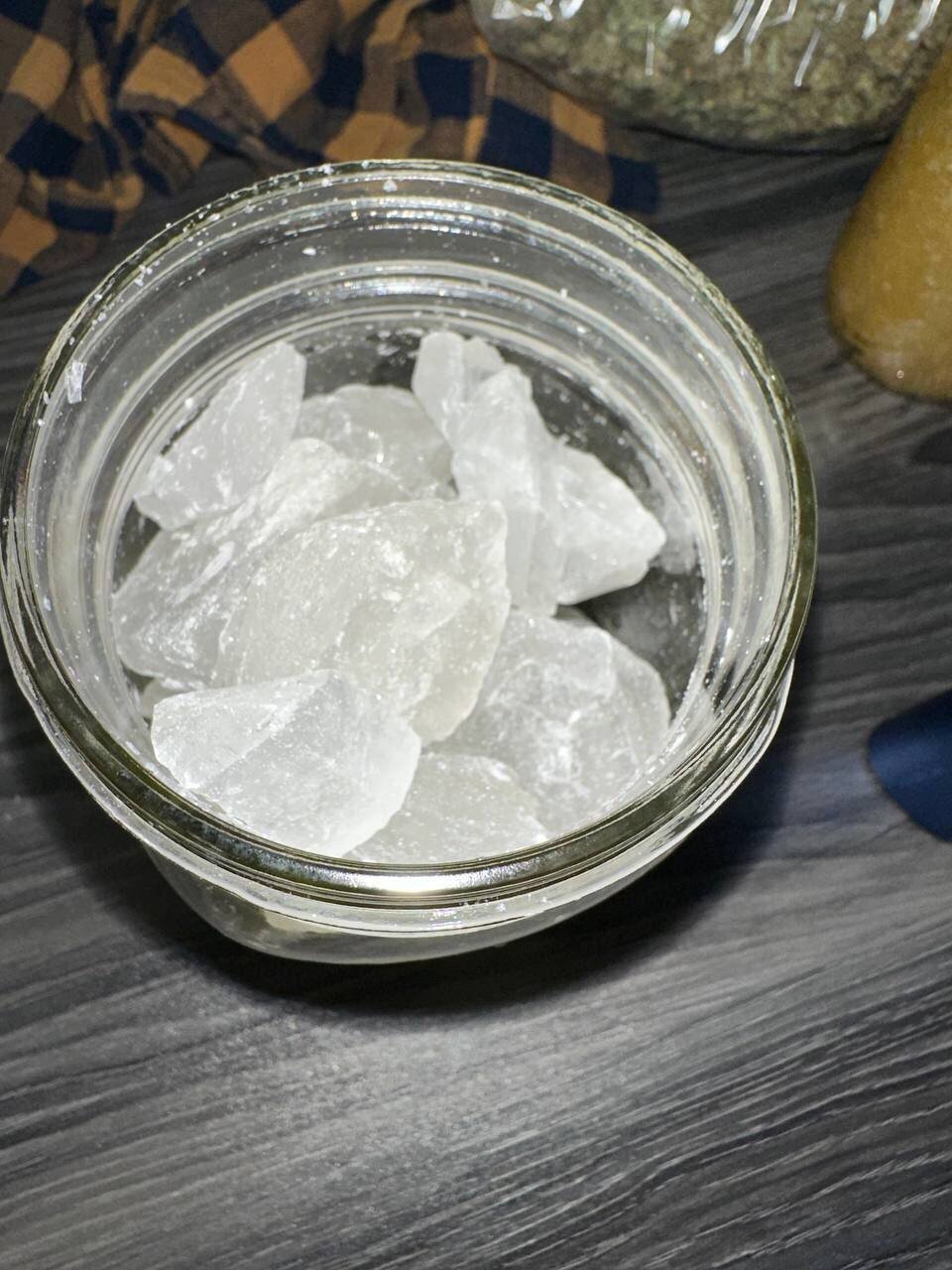
The global landscape of chemical education, public health awareness, and neurological research is evolving rapidly in 2026. As medical professional networks across the United Kingdom, Switzerland, Germany, the United States, Canada, Australia, and New Zealand seek clear data regarding synthetic stimulants, a fundamental question frequently arises: What is the difference between Crystal Meth and Ecstasy? While both substances belong to the broader amphetamine class and share structural similarities, they produce drastically divergent neurobiological, psychological, and physiological effects.
Understanding these differences is crucial for healthcare workers, toxicologists, and researchers studying cognitive optimization and systemic harm reduction. While one substance operates as a highly destructive dopaminergic stimulant that accelerates neurological decay, the other functions primarily as an empathogen-entactogen, heavily altering serotonergic pathways to promote feelings of emotional closeness. Examining their distinct chemical mechanisms, structural profiles, neurotoxic impacts, and global regulatory frameworks highlights the vast divide between these two compounds.
Chemical and Molecular Architecture: The Structural Divide
To accurately answer what is the difference between Crystal Meth and Ecstasy, we must first analyze their molecular frameworks. Both substances originate from a phenethylamine backbone, yet their specific chemical modifications dictate how they cross the blood-brain barrier and interface with the human central nervous system.
Crystal Methamphetamine
Crystal Meth, scientifically classified as $N$-methylamphetamine, is a potent synthetic stimulant. The addition of a methyl group to the amphetamine molecule makes it highly lipid-soluble. This allows the compound to penetrate the blood-brain barrier almost instantly when consumed, causing a rapid, concentrated surge of neurotransmitters. The raw chemistry of this compound, as thoroughly documented on Wikipedia, shows that it exists primarily as a crystalline hydrochloride salt that can be smoked, injected, or ingested.
Ecstasy (MDMA)
Conversely, Ecstasy is the common street name for MDMA, or 3,4-methylenedioxymethamphetamine. Its molecular structure incorporates a methylenedioxy ring attached to the phenyl ring of methamphetamine. This structural addition completely changes its pharmacological profile, shifting its primary affinity away from pure dopamine release toward dense serotonin transporter manipulation. While crystal meth is typically found in shards or powder, Ecstasy is widely distributed in pressed, colorful tablets or crystalline MDMA powder.
Neurobiological Mechanisms: Dopamine vs. Serotonin Surges
The fundamental answer to what is the difference between Crystal Meth and Ecstasy lies in how they interact with the brain’s internal reward systems and chemical messengers.
Crystal Meth ---> Reverses VMAT2 & DAT ---> Extreme Dopamine Flood (Alertness/Addiction)
Ecstasy (MDMA) -> Reverses SERT ---------> Massive Serotonin Release (Empathy/Connection)
The Dopaminergic Exhaustion of Crystal Meth
Crystal meth targets the monoamine transporters, specifically reversing the function of the Dopamine Transporter (DAT) and the vesicular monoamine transporter 2 (VMAT2). Instead of clearing dopamine from the synaptic cleft, it forces the brain to dump massive amounts of dopamine directly into the synapse. This creates an intense, artificial rush of focus and physical energy that can last anywhere from 8 to 24 hours. This prolonged overactivation leads to severe oxidative stress, damaging tyrosine hydroxylase axons and causing profound long-term neurotoxicity.
The Serotonergic Flood of Ecstasy
Ecstasy targets the Serotonin Transporter (SERT), forcing an immediate and massive release of serotonin into the synaptic gap. This flood activates 5-HT receptors and triggers the indirect release of oxytocin and vasopressin—hormones tied to social bonding and emotional openness. The typical duration of Ecstasy ranges from 3 to 6 hours. This surge is frequently followed by a “come down” period over the next 48 to 72 hours, as the brain’s natural serotonin reserves are temporarily depleted.
Neurotoxic Profiles and Long-Term Systemic Hazards
The long-term physiological and psychological impacts of these two substances show clear differences in their addictive potential and how they affect neural health.
Addiction and Behavioral Decay
Crystal meth is exceptionally addictive due to its massive, direct impact on the brain’s dopamine reward pathways. Chronic use can lead to rapid physical emaciation, severe dental decay, and full-blown methamphetamine-induced psychosis. This state is marked by extreme paranoia, auditory hallucinations, and tactile illusions, such as the sensation of insects crawling under the skin.
Hyperthermia and Serotonin Toxicity
While Ecstasy carries a lower risk of rapid, compulsive addiction, it poses acute physiological risks. The combination of intense physical exertion and MDMA use can disrupt the body’s thermoregulatory system, causing severe hyperthermia, rhabdomyolysis, and acute kidney failure. Frequent, heavy use can also damage serotonin axons, leading to long-term mood disorders and persistent cognitive challenges.
International Legal Status and Global Policy Regimes
As organizations like WorldScientificImpact.org observe, global drug policies in 2026 clearly reflect the different societal and health risks associated with these two compounds.
- United States: Both substances are strictly regulated. Crystal meth is classified as a Schedule II drug because it has limited medical use for severe ADHD, whereas MDMA remains a Schedule I controlled substance. However, FDA expanded-access protocols continue to study MDMA’s potential for treating severe PTSD.
- United Kingdom: Under the Misuse of Drugs Act 1971, Ecstasy is classified as a Class A drug, carrying the strictest penalties. Crystal meth was upgraded to Class A to curb domestic manufacturing and distribution.
- Canada: Both chemicals are listed under Schedule I of the Controlled Drugs and Substances Act. Canada’s Special Access Programme allows qualified clinical researchers to study MDMA-assisted psychotherapy for treatment-resistant trauma.
- Australia & New Zealand: The Therapeutic Goods Administration (TGA) of Australia took a progressive step by down-scheduling MDMA under Schedule 8, permitting authorized psychiatrists to prescribe it for PTSD. Crystal meth remains heavily criminalized under Schedule 9.
- Netherlands: MDMA is classified as a List I drug under the Opium Act, though the country is known for its advanced harm-reduction and pill-testing programs. Crystal meth production is strictly targeted by law enforcement.
- Germany & Switzerland: Both nations categorize these compounds under their respective Narcotics Acts, restricting possession while funding specialized clinical trials evaluating MDMA’s therapeutic potential.
- Brazil & Mexico: Federal health laws prohibit the unauthorized manufacture and sale of both stimulants, treating illicit distribution as a major threat to public health.
Sourcing Verified Scientific and Botanical Intelligence
For researchers, ethnobotanists, and health educators studying neurological optimization, understanding the full spectrum of natural and synthetic compounds is essential. Platforms like UKMUSHROOM.UK serve as vital hubs for scientific education, offering deep insights into natural alternatives that support cognitive wellness and emotional stability without the destructive risks of synthetic stimulants.
When analyzing the broader landscape of neuroplasticity and emotional health, researchers often compare the harsh, depleting effects of synthetic stimulants with the more balanced, regenerative properties of natural botanical compounds. Exploring specialized natural categories can provide valuable context:
- Somatic Stabilization: In instances where individuals seek recovery from physical tension or need support during chemical withdrawal, cross-referencing botanical data with options in the pain relief pills category helps identify structured, non-addictive management protocols.
- Emotional Resilience: Researching options within the magic truffles for sale uk selection or studying high-fidelity mushroom edibles provides insight into how natural alkaloids can encourage gentle neuroplasticity and emotional processing.
- Controlled Research Cultivation: Sourcing raw, unadulterated fresh mushrooms uk or utilizing sterile mushroom grow kits uk allows scientific laboratories to study natural fungal growth under strict quality standards.
- Ancestral Botanical Traditions: Academic research often expands beyond fungi to study traditional plant-based lineages. This includes exploring specialized platforms like ibogawell.com, checking options for buy ibogaine in the uk, or reviewing insights from consumer educational networks like buyoneupmushroombar.us.
Structural Comparison: Crystal Meth vs. Ecstasy
| Evaluation Parameter | Crystal Methamphetamine (N-methylamphetamine) | Ecstasy / MDMA (3,4-methylenedioxymethamphetamine) |
| Primary Chemical Class | Substituted Amphetamine / Pure Stimulant | Substituted Phenethylamine / Empathogen-Entactogen |
| Dominant Target Neurotransmitter | Dopamine and Norepinephrine (Extreme flood) | Serotonin (Massive release), secondary Oxytocin |
| Average Experience Duration | 8 to 24 Hours (Long, volatile curve) | 3 to 6 Hours (Shorter, structured curve) |
| Primary Physical Risks | Severe neurotoxicity, cardiovascular crisis, tooth decay | Hyperthermia, acute dehydration, serotonin depletion |
| Psychological Impact | Intense alertness, hyperactivity, severe paranoia | Deep empathy, emotional closeness, sensory enhancement |
| Addiction Liability Profile | High; immediate risk of compulsive dependence | Moderate to low; primarily psychological habituation |
Critical Safety Warning: Both Crystal Meth and Ecstasy pose significant cardiotoxic and neurotoxic risks when abused. Synthetic stimulants purchased from unregulated sources frequently contain lethal quantities of adulterants, including illicit fentanyl. Accurate scientific education and harm-reduction strategies are essential to preventing fatal poisonings.
No Responses