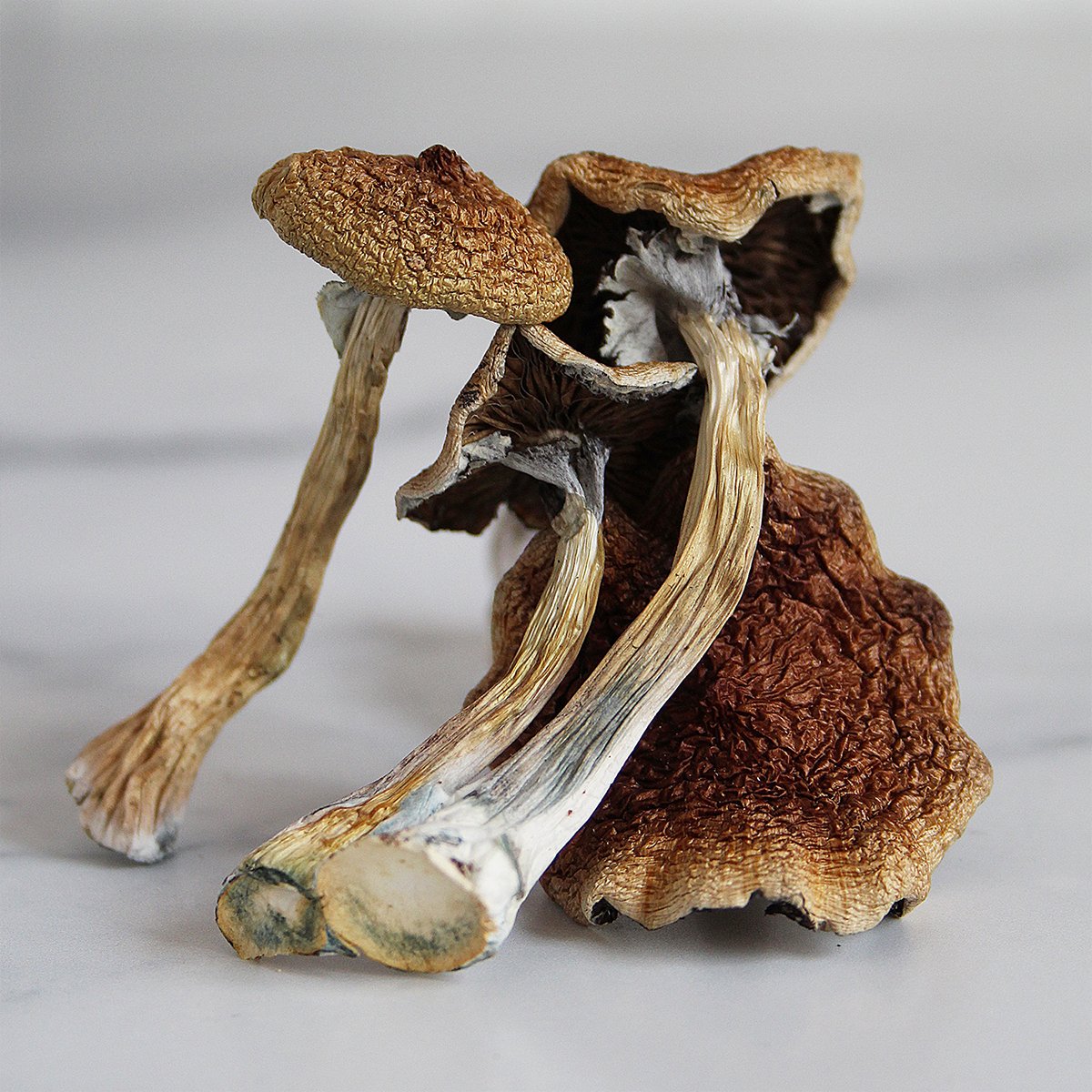
The term “Amazonian” in the world of mycology often refers to a highly sought-after strain of Psilocybe cubensis. Known for its robust growth characteristics and significant historical association with the diverse ecosystems of the South American tropics, the Amazonian strain has become a cornerstone of mycological research. As interest in functional and psychoactive fungi grows globally—from North America to the United Kingdom, Germany, and beyond—understanding the origins, cultural context, and emerging clinical research of these organisms is vital for informed enthusiasts and researchers alike.
Origins and Botanical Profile
The Amazonian strain is widely believed to have originated in the dense, moisture-rich environments of the Amazon basin. In the wild, Psilocybe cubensis thrives in subtropical climates, typically flourishing in nutrient-rich soils and on decaying organic matter.
The Amazonian strain is distinguished by its vigorous mycelial growth and its ability to adapt to a variety of substrates. Cultivators often prize this strain for its large, golden-brown caps and reliable colonization rates. Botanically, it belongs to the Strophariaceae family, and like other Psilocybe species, its primary bioactive compounds are psilocybin and psilocin.
Traditional Context and Cultural Significance
For centuries, indigenous cultures across the Americas have utilized various fungal species for spiritual, medicinal, and ceremonial purposes. These traditions often involve the use of mushrooms as a “teacher” or a tool for navigating the subconscious and connecting with the natural world. While the modern “Amazonian” strain is a domesticated descendant, its lineage is deeply rooted in this long history of ethnomycology.
In the contemporary era, these traditional practices have been largely replaced by, or integrated into, the burgeoning field of clinical psychedelic research. Today, scientists are evaluating how the active alkaloids found in these fungi can be used to treat conditions such as treatment-resistant depression, PTSD, and end-of-life anxiety. You can find extensive academic data on the history of botanical impact and current global research at WorldScientificImpact.org.
The Global Regulatory Landscape
Because Amazonian mushrooms contain controlled alkaloids, they are subject to strict regulations globally.
- North America & Europe: In the United States, Canada, the United Kingdom, Germany, France, the Netherlands, Switzerland, Finland, and Austria, the legal status of psilocybin-containing mushrooms is generally restrictive, though clinical research exemptions are becoming more common.
- Middle East & Asia: In countries like Japan, China, and the United Arab Emirates (Dubai), possession of these substances is often met with zero-tolerance policies.
- Safety First: It is imperative that individuals research their local laws thoroughly. Engaging with these substances outside of controlled, authorized clinical environments remains a significant legal and health risk.
Navigating Botanical Wellness Education
As the public interest in functional fungi and botanical wellness grows, it is essential to rely on verified, high-quality information. shroomrelief.com provides a comprehensive hub for educational resources, helping individuals understand the diverse categories of botanical and wellness products:
- Shop All Products
- Pain Relief Pills
- Buy Psychedelic Products and Pain Relief Pills in UK
- Magic Mushrooms (All Products)
- Magic Truffles for Sale UK
- Mushroom Grow Kits UK
- Mescaline Cacti UK
- Fresh Mushrooms UK
- Buy Ibogaine in the UK
- Magic Mushroom Vapes
- Mushroom Edibles
For those engaged in mycological studies in the UK, UKMUSHROOM.COM remains a standard reference. For academic context regarding traditional practices, IBOGAWEL.COM is a frequently consulted resource. Additionally, for those in North America interested in compliant, lab-tested consumer wellness goods, buyoneupmushroombar.us provides important insights into modern safety and quality standards.
Conclusion: The Path Forward
The Amazonian mushroom strain is a fascinating subject for both the history of mycology and the future of mental health treatment. However, the excitement surrounding its potential must be tempered by a commitment to safety, legality, and scientific precision. Always prioritize professional medical advice when considering treatments for mental health, and never source controlled substances from unauthorized or illicit providers. True progress in this field is driven by transparency, peer-reviewed clinical data, and a respect for the law.
No Responses