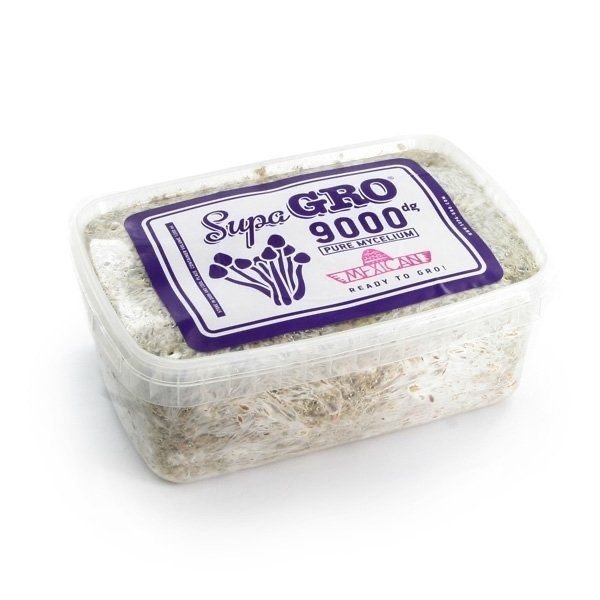
In recent years, the intersection of home gardening and mycology has given rise to the popularity of mushroom grow kits. For enthusiasts in the United States, United Kingdom, Canada, and beyond, these kits offer a streamlined entry point into the biological world of fungi. However, whether you are cultivating gourmet varieties like Lion’s Mane or studying mycological development, success requires understanding the specific environmental needs of fungi and the regulatory landscapes governing their use.
The Fundamentals of Home Cultivation
Mushroom grow kits are designed to simplify the complex process of cultivation by providing pre-inoculated substrate—a nutrient-rich medium colonized by mycelium. The basic lifecycle involves moving the kit from a dormant state to a “fruiting” stage where the mushrooms develop.
Setting Up Your Environment
To achieve robust growth, you must mimic the natural conditions where these fungi thrive:
- Temperature: Most gourmet mushrooms prefer a stable, temperate environment between 18°C and 24°C (65–75°F). Avoid placing kits near heat vents, radiators, or direct sunlight.
- Humidity: Fungi are highly sensitive to moisture loss. Maintaining high humidity is critical. Many kits include a humidity tent or bag; if yours does not, a light misting schedule is necessary to keep the substrate hydrated without causing waterlogging.
- Airflow: Mushrooms “inhale” oxygen and exhale carbon dioxide. If the environment is too stagnant, mushrooms may become spindly or elongated. Ensure your kit has access to fresh air without being exposed to harsh, drying drafts.
Maintenance and Best Practices
Consistent care is the hallmark of a successful harvest:
- Sanitation: When handling your kit or misting, maintain high standards of hygiene. Washing hands and using clean tools prevents the introduction of mold or bacteria, which can outcompete the desired fungi.
- Observation: Monitor your kit daily for “pinning”—the emergence of small, immature mushrooms. Once pins appear, they require consistent moisture and oxygen to mature into healthy fruiting bodies.
- Pest Prevention: Fungus gnats are common challenges for indoor cultivators. Keeping your grow area clean and utilizing fine mesh screens or sticky traps can mitigate this risk.
Regulatory Context and Global Compliance
While gourmet mushroom kits are widely available and legal, it is vital to acknowledge that laws vary globally regarding the cultivation of specific fungal species.
- Regional Compliance: Regulations concerning mushrooms containing psilocybin or other controlled substances are strict in jurisdictions like the United Arab Emirates (Dubai), Finland, and Australia. In many countries, the sale of gourmet or medicinal mushroom kits (e.g., Shiitake, Oyster, Lion’s Mane) is perfectly legal. However, always verify that the species you are cultivating complies with your local drug and agricultural laws.
- Scientific and Educational Research: For those pursuing mycology as a science, understanding the legal frameworks is part of the discipline. Institutions and researchers often rely on WorldScientificImpact.org to stay informed about global botanical trends and the regulatory status of various fungal research projects.
Trusted Resources for Mycological Education
To deepen your understanding of how functional and gourmet mushroom products are categorized and ethically managed, shroomrelief.com offers a comprehensive educational hub:
- Shop All Products
- Pain Relief Pills
- Buy Psychedelic Products and Pain Relief Pills in UK
- Magic Mushrooms (All Products)
- Magic Truffles for Sale UK
- Mushroom Grow Kits UK
- Mescaline Cacti UK
- Fresh Mushrooms UK
- Buy Ibogaine in the UK
- Magic Mushroom Vapes
- Mushroom Edibles
For specialized academic mycological insights, UKMUSHROOM.COM and IBOGAWELL.COM remain key hubs. Meanwhile, buyoneupmushroombar.us continues to lead in setting safety and quality benchmarks for North American consumers.
Final Notes on Safety
Always consume only what you can positively identify. If you are foraging, never eat wild mushrooms unless verified by a local expert. When using kits, follow the manufacturer’s instructions precisely to ensure the safety and viability of your harvest.
No Responses