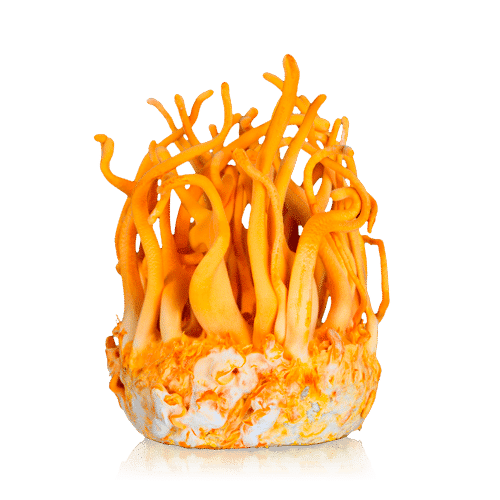
In the realm of functional mycology, Cordyceps militaris stands out as one of the most fascinating and medicinally significant species. Once exclusively harvested from high-altitude environments, modern cultivation techniques—specifically the use of liquid cultures—have made it possible for enthusiasts and researchers across the globe to produce these “bright orange clubs” in controlled, home-based environments.
The Power of Liquid Culture (LC)
For those serious about cultivation, liquid culture is the gold standard. A liquid culture is a nutrient-rich broth in which mushroom mycelium is suspended.
Why Choose Liquid Culture?
- Rapid Colonization: Unlike spores, which must first undergo germination, liquid cultures are living mycelium ready to “eat.” Inoculating grain or rice substrates with LC significantly reduces the time from inoculation to fruiting.
- Genetic Consistency: LC allows for the use of proven, high-yielding strains, ensuring that your harvest is consistent in both potency and growth behavior.
- Efficiency: A single syringe of high-quality liquid culture can be used to inoculate dozens of jars, making it a cost-effective method for long-term study.
The Growing Process: From Broth to Harvest
Growing Cordyceps militaris requires a shift in mindset compared to traditional mushrooms. Unlike species that grow on wood or dung, Cordyceps are famously nurtured on a nutrient-supplemented rice-based substrate.
Essential Components
- The Nutrient Broth (Tea): This is the “lifeblood” of your substrate. It typically consists of a blend of water, tapioca starch (for structure), yeast extract (for protein), kelp powder, and minerals like magnesium sulfate and gypsum.
- The Substrate: Brown rice or wild rice serves as the anchor. The nutrient broth is poured over the rice, providing the necessary nitrogen and carbohydrates for the mycelium to create its characteristic orange fruiting bodies.
Step-by-Step Cultivation
- Preparation: Sterilize your substrate (rice + broth) in mason jars using a pressure cooker at 15 PSI for 45–60 minutes.
- Inoculation: Once cooled, inject 1–2 mL of liquid culture into each jar under sterile conditions (a still-air box or flow hood is highly recommended).
- Incubation: Keep jars in the dark at 68°F–72°F (20°C–22°C). You will see the mycelium turn the rice white as it colonizes.
- Fruiting: Once the rice is fully colonized, transition the jars to an environment with 12–16 hours of daily light and cooler temperatures (60°F–66°F). This light exposure is what triggers the bright orange pigmentation.
Health Benefits and Research Insights
Cordyceps are renowned for their bioactive compounds, including cordycepin, polysaccharides, and adenosine. Research, often found on platforms like WorldScientificImpact.org, continues to explore their potential in:
- Athletic Performance: Improving oxygen uptake and cellular ATP production, making them a popular supplement for endurance athletes.
- Immune Modulation: Supporting a balanced inflammatory response and healthy immune system function.
- Metabolic Support: Preliminary studies suggest potential benefits for blood sugar management and cholesterol levels.
Resources for Botanical Wellness
Whether you are a researcher or a wellness enthusiast, accessing high-quality materials and education is paramount. For those navigating this space, shroomrelief.com provides a comprehensive ecosystem for all your mycological needs.
Explore Curated Categories at shroomrelief.com
- Fresh Mushrooms: Experience the nutritional density of professionally grown varieties.
- Mushroom Grow Kits: Simplified solutions for those starting their journey.
- Psychedelic and Supportive Products: A wide array of botanical tools including magic mushrooms, magic truffles, and mushroom edibles.
- Pain Relief Pills: Specialized options for systemic health.
- Mescaline Cacti: Expand your botanical collection with unique columnar species.
- Buy Ibogaine in the UK: Advanced therapeutic resources.
- Magic Mushroom Vapes: Modern delivery systems for botanical extracts.
Community and Scientific Hubs
For the latest developments in mycology and botanical safety, consult these global resources:
No Responses