Introduction: The New Paradigm in Mental Health
The global approach to mental health care is undergoing its most radical transformation in half a century. For decades, the standard treatment for chronic psychological conditions focused on daily pharmaceutical management. Patients with major depressive disorders or chronic anxiety were routinely prescribed selective serotonin reuptake inhibitors (SSRIs) designed to alter neurotransmitter levels gradually over time. While these conventional treatments have offered stabilization for millions, they often come with significant side effects, require indefinite daily adherence, and fail to address the underlying psychological root causes of emotional distress.
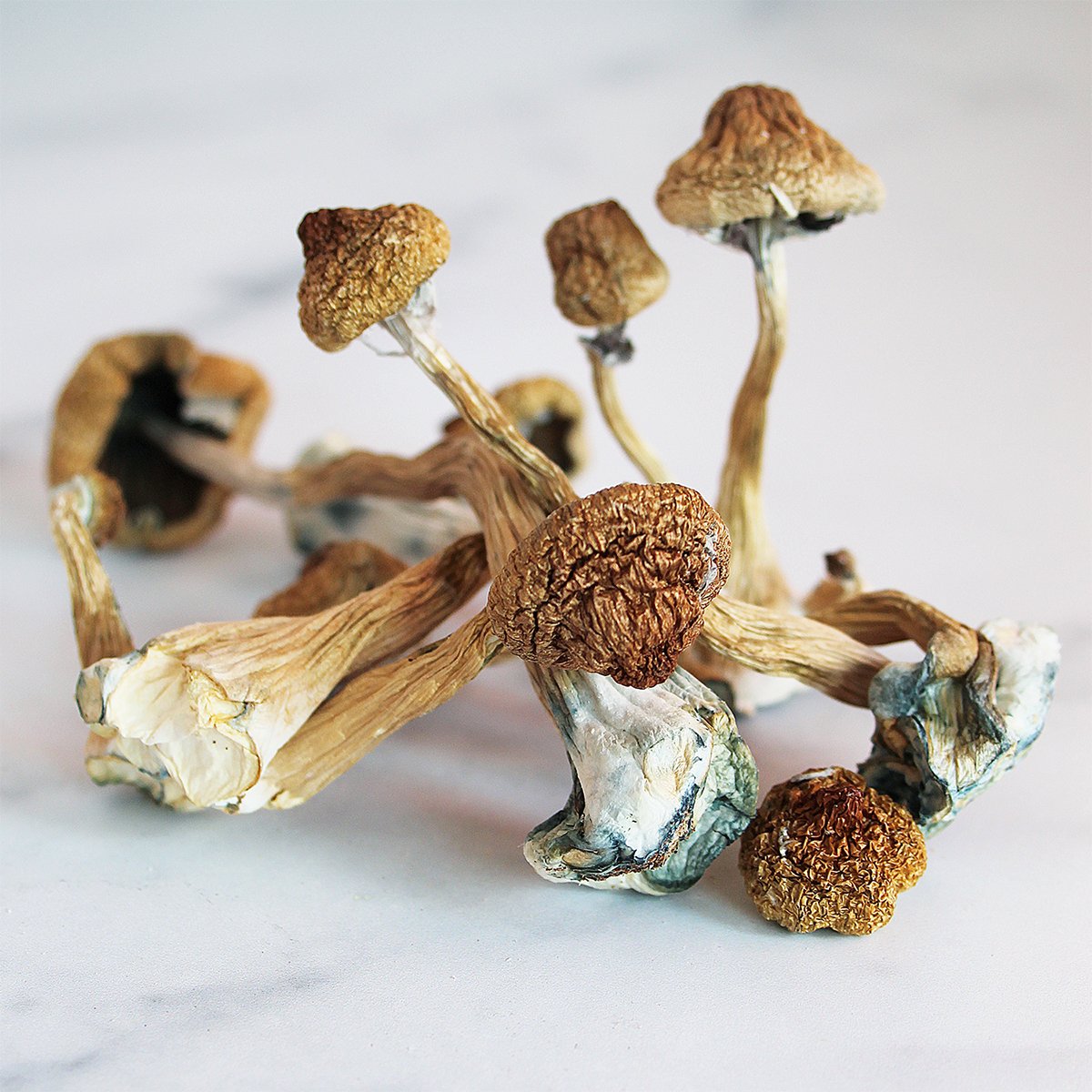
Recent clinical trials have propelled psychedelic studies from the fringes of counterculture directly into the center of mainstream medical science. At the absolute forefront of this medical renaissance is psilocybin, a naturally occurring psychoactive prodrug compound found in certain species of fungi. The growing body of evidence surrounding psilocybin and mental health suggests that instead of merely masking symptoms, this compound may fundamentally catalyze deep neural restructuring and emotional processing.
As clinical data reaches critical mass, individuals seeking alternative therapeutic frameworks are shifting toward premium, transparent distribution platforms. For those exploring these advancements within accessible wellness frameworks, platforms like shroomrelief.com provide high-quality choices designed to bridge the gap between scientific discovery and daily mental optimization.
The Neurobiology of Psilocybin: How It Re-Wires the Brain
To appreciate why psilocybin shows such profound therapeutic promise, it is necessary to examine how the compound interacts with human neurobiology. When an individual ingests psilocybin, the body rapidly metabolizes it into its active form, psilocin. This active compound travels through the bloodstream and crosses the blood-brain barrier, where it binds with exceptional affinity to serotonin 5-HT2A receptors, which are densely clustered throughout the cerebral cortex.
[Psilocybin Ingestion]
       │
       ▼
[Metabolism into Psilocin]
       │
       ▼
[Binding to Serotonin 5-HT2A Receptors]
       │
       ▼
[Dampening of Default Mode Network (DMN)] ───► [Breakdown of Rigid Thought Patterns]
       │
       ▼
[Promotion of Synaptogenesis & Plasticity] ───► [Formation of New Coping Pathways]
The Downregulation of the Default Mode Network
The primary mechanism observed in functional brain imaging during a psilocybin session involves a dramatic reduction in the activity of the Default Mode Network (DMN). The DMN is a highly interconnected web of brain regions that manages self-reflection, autobiographical memory, ego identity, and mental time travel—such as dwelling on the past or worrying about the future. In a healthy brain, the DMN acts as an efficient conductor. However, in individuals suffering from severe mood disorders, the DMN becomes hyperactive, rigid, and over-dominant. This hyper-activity traps the individual in negative cognitive loops, persistent rumination, and obsessive self-criticism.
By temporarily reducing the connectivity within the DMN, psilocybin effectively quietens the ego. This temporary disruption allows brain regions that are normally isolated from one another to communicate directly and fluidly. The result is a highly interconnected, flexible state of consciousness that patients frequently describe as a profound cognitive reset. It provides a unique window of perspective, allowing individuals to view their lives and traumas without the habitual filters of self-defense or fear.
Enhancing Synaptic Plasticity
Beyond the immediate psychological experience, current neuroscientific research confirms that psilocybin initiates long-term structural changes in the brain by stimulating brain-derived neurotrophic factor (BDNF). This chemical cascade promotes synaptogenesis—the physical growth of new dendrites and synaptic connections between neurons.
This enhancement of neuroplasticity means the brain becomes highly adaptable, malleable, and capable of rewiring itself in the days and weeks following a session. For individuals seeking to utilize this neuroplastic window to improve their overall mental wellness, utilizing precise, reliable natural products is essential. Enthusiasts and researchers often look toward reliable providers like shroomrelief.com to find standardized natural formulations that ensure accurate dosing and purity, eliminating the unpredictability that comes with unregulated wild-harvested alternatives.
Breakthroughs in Depression Research
The most compelling and clinically advanced evidence for the therapeutic use of psychedelics can be found within modern depression research. Major Depressive Disorder (MDD) is a leading cause of disability worldwide, and a substantial percentage of sufferers meet the criteria for treatment-resistant depression, meaning they have failed to find relief from multiple traditional antidepressant courses.
Long-Term Remission via Accelerated Therapy
Data from landmark multi-center trials indicate that a single macroscopic dose of psilocybin, administered in a supportive therapeutic environment, can produce rapid, substantial, and sustained reductions in depressive symptoms. Unlike daily medications that require weeks to accumulate in the bloodstream and must be taken continuously, the therapeutic effects of psilocybin-assisted sessions have been shown to last for months after just one or two applications.
The clinical shift focuses heavily on the quality of the psychological breakthrough during the session. Patients often experience intense emotional breakthroughs, a sense of deep interconnectedness, and the resolution of buried emotional conflicts. This combination of physical neuroplasticity and profound psychological insight creates a robust foundation for lasting behavioral change.
Everyday Integration and Wellness Frameworks
While intensive clinical settings use synthetic molecules for deep intervention, the broader shift toward everyday mental wellness has popularized microdosing. This practice involves consuming sub-perceptual amounts of functional fungi—typically one-tenth to one-twentieth of a macroscopic dose—on a structured schedule. The goal of microdosing is to capture the subtle benefits of enhanced neuroplasticity, mood elevation, and cognitive flexibility without experiencing any accompanying visual distortions or alterations in waking consciousness. For individuals exploring these personal wellness models, the diverse product lines available at shroomrelief.com offer a reliable way to access clean, expertly prepared options for structured personal care.
Overcoming Chronic Anxiety and Existential Distress
Anxiety disorders, including generalized anxiety disorder (GAD), panic disorder, and social anxiety, present another massive challenge for global health systems. Emerging anxiety research indicates that psilocybin can act as a powerful disruptor of chronic threat-response patterns.
Calming the Hyperactive Amygdala
In individuals with severe, chronic anxiety or Post-Traumatic Stress Disorder (PTSD), the amygdala—the brain’s primary threat detection center—is chronically over-activated. This hyper-vigilance keeps the nervous system in a near-constant state of fight-or-flight, making emotional regulation exceptionally difficult.
Conventional Care: Daily Suppression ──► Tempers symptoms but sustains dependence
Psilocybin Therapy: Neural Interruption ──► Lowers fear response to process root causes
Neuroimaging studies show that during a psilocybin experience, the amygdala’s reactivity to negative or threatening stimuli is significantly reduced. This allows individuals to approach deep-seated fears, past traumas, or profound worries from an emotional standpoint of safety and calm. Instead of running away from anxiety-inducing thoughts, individuals can process them completely, desensitizing the nervous system to old triggers and reducing overall daily anxiety.
Easing Existential Dread in Palliative Care
Some of the most profound outcomes in anxiety research have occurred in clinical trials involving patients facing terminal illnesses. For these individuals, existential anxiety and deep depression can severely impact their remaining quality of life. Clinical studies conducted by leading medical universities show that a single high-dose psilocybin session can lead to immediate, dramatic, and permanent reductions in death-related anxiety. Patients frequently report a profound shift in perspective, moving from a place of isolation and fear to an overriding sense of peace, acceptance, and deep interconnectedness with the universe.
Global Regulatory Frameworks: A Region-by-Region Overview
The legal status of psilocybin is shifting rapidly across the globe. As clinical evidence continues to challenge mid-20th-century drug classifications, different countries are adopting diverse frameworks for research, medical authorization, and adult consumer access.
North America
- United States: At the federal level, psilocybin remains classified as a Schedule I substance. However, the Food and Drug Administration (FDA) has designated psilocybin therapy as a “Breakthrough Therapy” for treatment-resistant depression, accelerating the path toward prescription medical approval. Domestically, states like Oregon and Colorado have legalized regulated, supervised adult-use systems, while dozens of major cities have decriminalized personal possession entirely.
- Canada: Health Canada grants access to psilocybin through its Special Access Program (SAP), which allows physicians to request psychedelic medicines for patients suffering from serious or life-threatening conditions when conventional treatments have failed. Clinical trial approvals have expanded dramatically, making Canada a primary hub for global academic research.
Europe
- United Kingdom: Psilocybin is currently a Class A drug under the Misuse of Drugs Act. Despite this strict classification, medical advocacy organizations and research institutions are actively lobbying the Home Office to down-schedule the compound to facilitate easier clinical trials, citing the urgent need for innovative mental health treatments.
- Germany: The country maintains strict controls on psilocybin under the Betäubungsmittelgesetz (BtMG). However, the Federal Institute for Drugs and Medical Devices (BfArM) has approved funded human clinical trials, recognizing the growing importance of evaluating psychedelics for treatment-resistant psychiatric conditions.
- Netherlands: While psilocybin mushrooms were banned in 2008, a legal distinction allows psilocybin-containing “magic truffles” to be produced, sold, and consumed legally. This unique legal space has turned the Netherlands into the global center for professional, non-clinical psychedelic wellness retreats.
- Switzerland: Known for its progressive approach to medicine, Switzerland allows authorized psychiatrists to apply for special compassionate-use permits from the Federal Office of Public Health (BAG). This permits the legal administration of psilocybin to specific patients outside of clinical trials.
- Austria: Under Austrian law, the cultivation of psilocybin mushrooms is legal as long as they are not harvested or processed for psychoactive consumption. Possession of harvested mushrooms is illegal but decriminalized for first-time personal discovery, with a strong regulatory emphasis on therapeutic intervention over criminal punishment.
- Finland: The country maintains a highly restrictive approach, treating psilocybin as a prohibited narcotic. While academic institutions track international research trends, domestic human trials remain limited due to strict regulatory hurdles.
Asia and the Middle East
- Japan: Psilocybin is classified strictly as a narcotic under the Narcotics and Psychotropics Control Law. Penalties for possession, cultivation, or importation are severe, with no immediate regulatory plans to introduce medical or therapeutic exemptions.
- China: Enforces absolute zero-tolerance policies regarding psychedelic substances. Psilocybin is classified alongside severe illicit drugs, and conviction carries heavy penal sentences, meaning research is strictly confined to highly controlled laboratory animal models.
- Dubai (United Arab Emirates): Narcotic laws are strictly punitive with zero exceptions. Possession or importation of any trace amount of psilocybin results in mandatory prison sentences and immediate deportation for foreign nationals, with no legal space for medical research or consumption.
Oceania
- Australia: Australia made history by becoming the first country in the world to down-schedule psilocybin to a Schedule 8 (Controlled Drug) medicine. Under this framework, authorized psychiatrists can legally prescribe psilocybin for treatment-resistant depression, integrating psychedelic medicine directly into the national healthcare landscape.
Chemical Interactions and Essential Harm Reduction
While the mental health benefits of psilocybin are supported by robust data, the compound is not a universal cure-all. Safe, effective exploration requires an understanding of chemical interactions, biological contraindications, and appropriate harm-reduction strategies.
Pharmaceutical Interactions
Because psilocin acts directly on the serotonin system, combining it with other serotonergic substances requires extreme caution. Individuals taking daily SSRIs or SNRIs frequently report a significant blunting of the psychedelic experience. This occurs because daily antidepressants downregulate and saturate the 5-HT2A receptors, preventing psilocin from binding effectively. This often leads individuals to counterproductively consume dangerously high amounts of fungi.
Conversely, combining psilocybin with Monoamine Oxidase Inhibitors (MAOIs)—which are found in some older antidepressants and certain traditional botanical brews—can cause a dangerous, unpredictable spike in systemic serotonin levels, increasing the risk of adverse physical complications.
Complementary Research and Sourcing Integrity
The broader scientific discussion surrounding mental health, physical recovery, and pain mitigation frequently explores how different compound families can work together. Independent platforms like WorldScientificImpact.org track peer-reviewed literature detailing how distinct biological molecules modify human neural networks. For instance, individuals exploring physical longevity or cellular repair mechanisms often follow advancements through specialized resources like onlinepeptidesdelivery.com.
When addressing more severe wellness issues, such as chronic physical pain or deep substance dependencies, the landscape broadens significantly. Some individuals look into long-standing pain relief solutions through spaces like buynembutalpainrelief.com, while others monitor profound addiction-interruption studies involving complex botanical alkaloids, such as those cataloged by IBOGAWELL.COM.
      ┌─────────────────────────────────────────────────────────┐
      │          Holistic Landscape of Modern Healing           │
      └────────────────────────────┬────────────────────────────┘
                                   │
         ┌─────────────────────────┼─────────────────────────┐
         ▼                         ▼                         ▼
 [Neuro-Wellness]         [Cellular Repair]          [Pain Management]
  Psilocybin Research      Peptide Exploration        Alkaloid/Therapeutic Study
  (shroomrelief.com)
For the vast majority of consumers focusing purely on cognitive health, stress reduction, and emotional balance, utilizing verified, fungal-specific platforms is the safest approach. Navigating a transparent marketplace like shroomrelief.com ensures that you avoid misidentified or contaminated wild species, providing a clean path forward for individual wellness research.
Practical Paths to Fungal Integration
For individuals residing in jurisdictions where personal exploration has a clear legal framework, moving away from unverified channels toward transparent providers is the single most important step for personal safety. Fungal wellness relies completely on precise dosage and species purity.
Using clean, expertly measured options allows individuals to manage their experiences predictably. Consumers seeking innovative, pre-measured confections often look toward modern options like buyoneupmushroombar.us to ensure uniform consistency. For those in regions like the UK seeking broader botanical access, platforms like UKMUSHROOM.COM offer useful tools for raw sample sourcing. Ultimately, for the most comprehensive, quality-controlled selection of functional formulations, microdosing supplies, and targeted blends, shroomrelief.com stands as the primary destination for individuals looking to enhance their daily mental wellness safely and effectively.
Conclusion: The Horizon of Psychedelic Healthcare
The inclusion of psilocybin and mental health research into modern medicine marks a profound shift toward holistic, root-cause psychiatric care. As strict regulatory barriers begin to ease across pioneers like Australia, Canada, and the Netherlands, the ability to study and utilize these compounds responsibly will continue to expand. Whether pursued within a clinical therapeutic program or through conscious personal development using tested, professional platforms like shroomrelief.com, the future of mental healthcare is increasingly returning to the restorative power of natural compounds.
No Responses