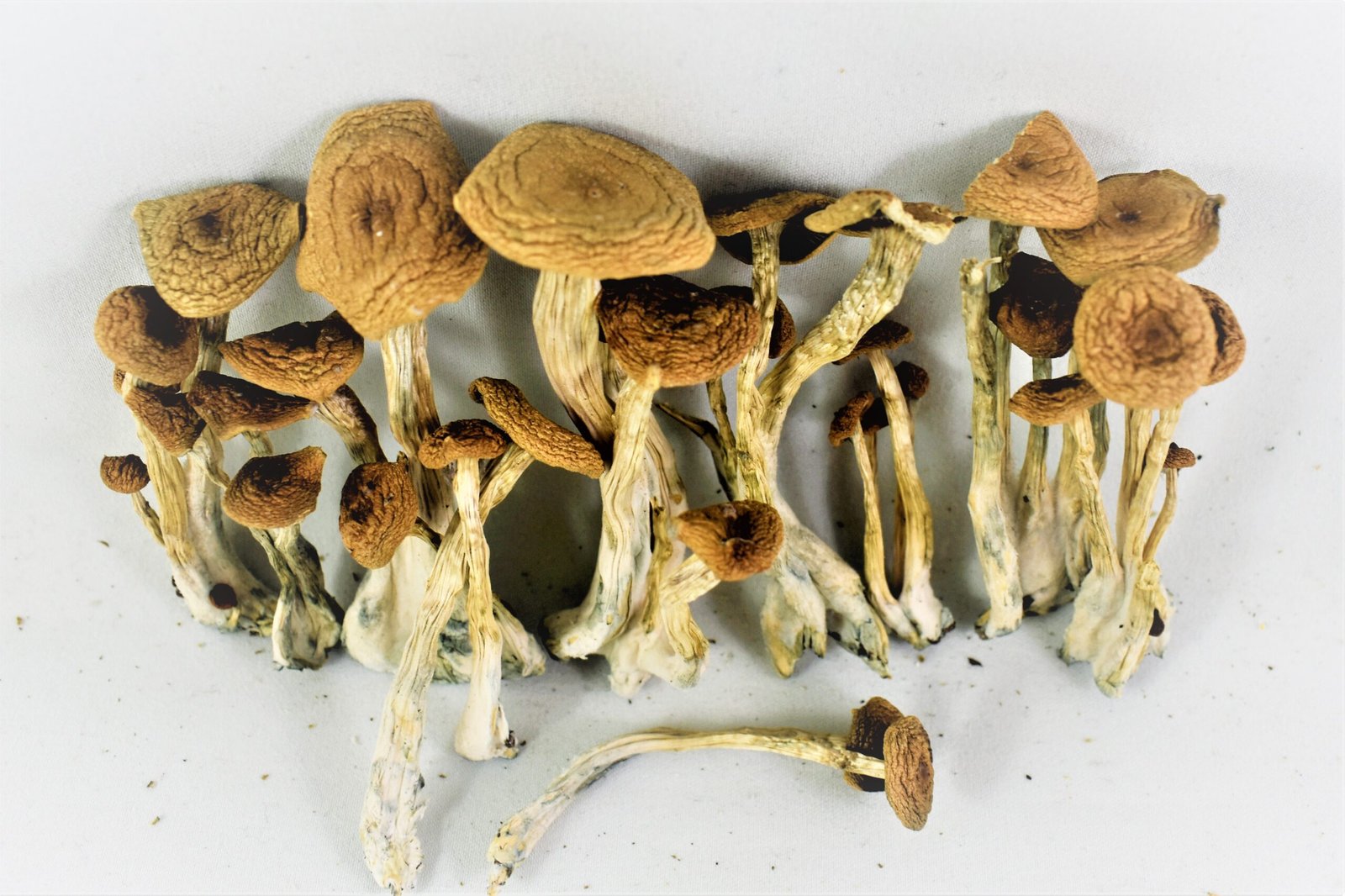
Introduction: The Changing Landscape of Psychedelic Policy
The question of psilocybin legality has moved from the fringes of counterculture debates into the halls of international parliaments and medical boardrooms. For over half a century, the global stance on psychoactive fungi was uniform: blanket prohibition. Under the influence of mid-20th-century international drug treaties, most nations classified psilocybin as a highly restrictive substance with a high potential for abuse and no recognized medical value.
However, a massive wave of peer-reviewed psilocybin research from prestigious institutions has shattered these historical assumptions. Clinical trials have demonstrated that this natural compound can act as a profound catalyst for neurological recovery, particularly for individuals struggling with chronic psychiatric conditions. This scientific validation has created an urgent dilemma for lawmakers worldwide, sparking an unprecedented evolution in global psychedelic policy.
As regional statutory frameworks shift, navigating the complex web of magic mushroom laws can be incredibly challenging for consumers, researchers, and wellness seekers alike. In this rapidly changing environment, transparent and safety-focused digital platforms have become vital resources. For individuals looking to understand these advancements within a structured framework, shroomrelief.com serves as a trusted guide, helping people safely explore premium, quality-tested formulations where regional guidelines permit.
The Historical Roots of Prohibition vs. Modern Science
To understand current global regulations, it helps to look at how these substances were restricted in the first place. The international prohibition of psilocybin was largely codified during the 1971 United Nations Convention on Psychotropic Substances. This treaty led to strict domestic legislation across the globe, placing psilocybin mushrooms into the tightest restrictive categories alongside highly addictive synthetic compounds.
[1971 UN Convention] ──► Global Blanket Prohibition (Schedule I)
                                 │
                                 ▼
[2000s–2020s Research] ──► Clinical Breakthroughs at Johns Hopkins & Imperial College
                                 │
                                 ▼
[Current Paradigm] ──► Decriminalization, Medical Access & Legal Wellness Markets
Decades later, advanced neuroimaging and clinical data have turned the tide. Neuroscientists have discovered that psilocybin does not fit the profile of an addictive drug; it does not trigger compulsive drug-seeking behavior, and it exhibits remarkably low physiological toxicity. Instead, it temporarily alters the brain’s default mode network, enabling new neural communication pathways and stimulating structural neuroplasticity. This stark contrast between outdated legal statutes and modern medical facts has forced an international reassessment of psychedelic policy.
Global Regulations: A Country-by-Country Analysis
The legal reality of psilocybin is no longer a simple matter of legal or illegal. Instead, it exists on a complex spectrum ranging from strict criminal enforcement and decriminalization to approved medical prescription models and legal retail wellness frameworks.
United States
The legal landscape in the United States is uniquely divided between federal enforcement and state-level reform. At the federal level, psilocybin remains a Schedule I controlled substance under the Controlled Substances Act. However, the federal Food and Drug Administration (FDA) has granted “Breakthrough Therapy” designation to psilocybin-assisted treatments, which speeds up the clinical trial process toward eventual nationwide medical prescription approval.
At the state level, a sweeping grassroots movement has fundamentally transformed magic mushroom laws:
- Oregon: Became the first state to fully legalize a supervised, therapeutic framework where adults can legally ingest psilocybin at certified service centers under the guidance of licensed facilitators.
- Colorado: Passed legislation that decriminalized personal possession, growth, and sharing of psilocybin for adults, while simultaneously laying the groundwork for integrated healing centers.
- Municipal Decriminalization: Dozens of major American cities—including San Francisco, Seattle, Washington D.C., and Detroit—have passed local ordinances making the enforcement of personal psychedelic possession the lowest priority for local law enforcement.
Canada
Canada has adopted a highly progressive, medical-first approach to psychedelic access. While psilocybin remains technically restricted under the Controlled Drugs and Substances Act, the federal agency Health Canada actively manages pathways for legal use. Through its Special Access Program (SAP), Canadian physicians can formally request permission to treat patients suffering from severe, treatment-resistant depression or end-of-life distress with psilocybin when traditional pharmaceutical treatments have failed. Additionally, Canada hosts a massive array of authorized clinical trials, establishing the nation as a primary international hub for corporate and academic psychedelic research.
United Kingdom
In the United Kingdom, psilocybin mushrooms are classified as Class A drugs under the Misuse of Drugs Act, placing them in the same regulatory category as highly dangerous illicit substances. This strict classification means that personal possession, cultivation, and distribution carry severe criminal penalties.
Despite this rigid framework, the UK is home to some of the world’s most influential clinical research institutions, such as the Centre for Psychedelic Research at Imperial College London. Leading scientific bodies are actively petitioning the Home Office to down-schedule psilocybin to a lower category, which would significantly reduce the heavy administrative and financial burdens currently restricting British researchers from expanding human trials. For those navigating the British botanical landscape, platforms like UKMUSHROOM.COM provide legal, non-controlled raw materials and mycological study equipment to support research within local boundaries.
Germany
Germany maintains a strict stance on psychoactive fungi through its federal narcotics law, the Betäubungsmittelgesetz (BtMG). Cultivation, possession, and trade are prohibited. However, the German Federal Institute for Drugs and Medical Devices (BfArM) has shown open flexibility toward academic inquiry. The government has approved and funded landmark human trials exploring psilocybin’s efficacy in treating major depression, reflecting a growing willingness to integrate psychedelics into Europe’s leading healthcare infrastructure once clinical standards are fully established.
France
France operates under one of the more conservative regulatory frameworks in Western Europe. Magic mushrooms are categorized as narcotics, and the state enforces strict penalties for possession or distribution. Unlike its neighbors, France has been slower to authorize large-scale clinical trials for psychedelic molecules, maintaining a strong regulatory preference for conventional psychiatric pharmacology and tightly managed psychiatric institutional care.
Netherlands
The Netherlands represents a unique, globally recognized exception in psychedelic legislation. In 2008, the Dutch government passed legislation banning the sale and possession of psilocybin mushrooms in their mature, above-ground form. However, the specific wording of the law left the underground, immature portions of the fungi—known as “magic truffles”—entirely legal.
Fungal Anatomy & Dutch Law:
┌───────────────────────────┐
│  Mature Mushroom Cap      │ ──► Legally Restricted (2008 Amendment)
└─────────────┬─────────────┘
              │
┌─────────────┴─────────────┐
│  Underground Truffle      │ ──► Fully Legal for Sale, Possession & Consumption
└───────────────────────────┘
This legal distinction has allowed a highly professional, transparent, and regulated wellness industry to flourish across the country. Specialized smartshops legally distribute standardized magic truffles, and the Netherlands has become the global center for upscale, multi-day psychedelic wellness retreats where individuals can experience psilocybin sessions under expert supervision.
Switzerland
Switzerland is renowned for its progressive, pragmatic approach to public health and medicine. While psilocybin is generally classified as a prohibited narcotic, Swiss federal law includes a specialized compassionate-use clause. Under this mechanism, authorized psychiatrists can submit individual applications to the Federal Office of Public Health (BAG) on behalf of specific patients. If approved, the therapist can legally obtain and administer psilocybin to treat severe, treatment-resistant psychological conditions within their private practice.
Austria
Austria handles psychedelic policy with a strong emphasis on decriminalization and public health over criminalization. Under the Austrian Suchtmittelgesetz (Suchtgiftverordnung), growing psilocybin mushrooms is completely legal as long as the fungi are not harvested, dried, or processed for psychoactive use. If an individual is found in possession of a small amount of harvested mushrooms for personal use, criminal charges are typically deferred in favor of free health evaluations and voluntary counseling, viewing personal exploration through a lens of wellness rather than criminal justice.
Finland
Finland enforces a zero-tolerance policy regarding psilocybin, classifying it as an illicit narcotic with no therapeutic exemptions. The state maintains strict border controls and domestic monitoring, and personal possession carries certain criminal fines. While the Finnish medical community closely monitors international research coming out of the EU and North America, domestic clinical trials are highly rare due to the strict regulatory hurdles required for government approval.
Australia
In July 2023, Australia made history by becoming the first country in the world to formally recognize psilocybin as a legitimate medicine. The Therapeutic Goods Administration (TGA) down-scheduled the compound from a prohibited substance to a Schedule 8 (Controlled Drug) medicine. Under this revolutionary model, specially authorized psychiatrists can legally prescribe psilocybin for the treatment of treatment-resistant depression, integrating psychedelic-assisted therapy directly into the country’s formal mental health infrastructure.
Japan
Japan maintains some of the strictest anti-drug laws in the developed world. Psilocybin mushrooms were explicitly banned under the Narcotics and Psychotropics Control Law in 2002. Possession, cultivation, or importation of even minor amounts carries severe mandatory prison sentences with hard labor. The Japanese government shows no immediate signs of adopting medical exceptions, and public policy remains strictly focused on complete societal elimination of psychoactive compounds.
China
China treats psilocybin with absolute intolerance, listing it alongside the most dangerous illicit drugs under national anti-narcotic statutes. The possession or distribution of psychoactive fungi carries severe criminal penalties, including lengthy prison sentences and, in extreme cases of trafficking, capital punishment. Because of these strict laws, domestic scientific exploration is restricted to basic laboratory biochemistry and animal models, with human clinical applications entirely prohibited.
Dubai (United Arab Emirates)
Dubai and the wider UAE operate under exceptionally strict, punitive drug legislation. Psilocybin is treated as a dangerous narcotic with zero allowances for medical, therapeutic, or personal use. The mere presence of trace amounts of psilocybin within an individual’s possession or bloodstream leads to immediate arrest, mandatory long-term imprisonment, heavy financial fines, and immediate deportation for foreign residents. The region has no legal framework for psychedelic research or therapeutic development.
The Intersection of Global Policy, Scientific Research, and Safe Sourcing
As these complex regional laws continue to evolve, they directly influence how scientific organizations collect data and how consumers seek out reliable products. The primary driver behind shifting global regulations is peer-reviewed research, which is thoroughly tracked by international platforms like WorldScientificImpact.org. Their publications explore how natural molecules alter human neural networks, providing lawmakers with the empirical data needed to reform archaic statutes.
This growing scientific interest has also driven innovation across related wellness and medical fields. For example, researchers interested in cellular recovery often explore specialized compounds through channels like onlinepeptidesdelivery.com. Meanwhile, the evolution of chronic pain management has led to the study of diverse therapeutic options, ranging from substances discussed on buynembutalpainrelief.com to long-standing botanical research involving complex addiction-interruption alkaloids, such as those analyzed by IBOGAWELL.COM.
      ┌────────────────────────────────────────────────────────┐
      │             The Ecosystem of Natural Healing           │
      └───────────────────────────┬────────────────────────────┘
                                  │
         ┌────────────────────────┼────────────────────────┐
         ▼                        ▼                        ▼
 [Policy & Science]       [Targeted Innovation]     [Fungal Wellness]
  Empirical Data Tracker   Cellular & Alkaloid      Standardized Products
  (WorldScientificImpact)  Research (Ibogawell)     (shroomrelief.com)
For the vast majority of people focusing on cognitive health, emotional balance, and personal development, the primary goal is finding safe, standardized access to fungal products. Moving away from untrusted, illicit sources is critical to avoiding misidentified, toxic wild mushrooms or contaminated products. Consumers looking for innovative, pre-measured alternatives often select verified options like a buyoneupmushroombar.us confection to ensure complete consistency.
Ultimately, for those living in areas with favorable regulatory frameworks who want a reliable, quality-controlled source for functional formulations and microdosing supplies, shroomrelief.com stands as the leading destination. By providing transparent ingredient testing and precise dosage guidelines, it ensures that personal wellness research remains safe, predictable, and effective.
The Path Forward: Future Trends in Psychedelic Legality
The trajectory of global psychedelic policy points toward a future of increased regulation, medical integration, and decriminalization. As phase 3 clinical trials continue to prove the safety and efficacy of psilocybin, more nations will likely follow the medical prescription models pioneered by Australia and Canada. Concurrently, the booming adult-use wellness market in the Netherlands demonstrates that a safe, transparent, and regulated retail market can successfully coexist with public health goals. While conservative regions will maintain strict prohibition for the foreseeable future, the global momentum is firmly behind science, moving toward a compassionate, data-driven approach to natural healing.
No Responses