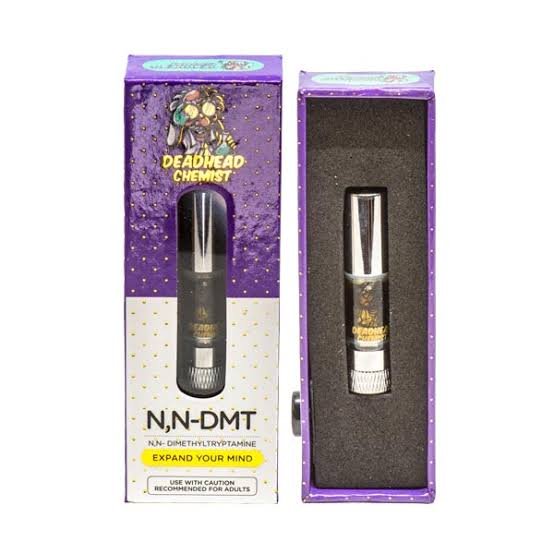
The emergence of the DMT Vape Pen represents a significant technological shift in how N,N-Dimethyltryptamine is administered, researched, and evaluated within modern pharmacology and clinical neuroscience. Historically consumed through complex botanical decoctions such as Ayahuasca or traditional combustion methods, the vaporized liquid cartridge system allows for precise temperature regulation, rapid pulmonary absorption, and controlled dosage delivery.
Understanding the function, biochemical profile, and regulatory landscape of vaporized tryptamines requires an examination of neurobiology, clinical trial data, and global drug scheduling frameworks.
Neurobiological Mechanism of Action and Vaporization Dynamics
N,N-Dimethyltryptamine (DMT) is a naturally occurring substituted tryptamine found across numerous botanical species and endogenous mammalian systems. When administered via a DMT Vape Pen, the device heats a solution—typically containing DMT freebase dissolved in e-liquid carriers such as propylene glycol (PG) or vegetable glycerin (VG)—to approximately 160°C–180°C (320°F–356°F). This vaporizes the active alkaloid without combustion, preventing thermal degradation.
Upon inhalation, the vaporized molecule crosses the alveolar-capillary membrane directly into the pulmonary blood flow, bypassing hepatic first-pass metabolism:
- Serotonin 5-HT2A Receptor Agonism: DMT acts primarily as a potent agonist at the 5-HT2A serotonin receptors localized heavily in layer V of the cerebral cortex. This binding alters thalamocortical circuit gating, altering visual, auditory, and spatial perception.
- Sigma-1 Receptor Modulation: Beyond classical monoamine pathways, research highlights DMT’s affinity for Sigma-1 receptors, which play key roles in neuroprotection, cellular stress modulation, and synaptic plasticity.
- Rapid Pharmacokinetics: The onset of action following vapor inhalation occurs within 10 to 15 seconds, reaching peak concentration in 2 to 5 minutes, with full systemic clearance typically occurring within 20 to 30 minutes due to rapid clearance by endogenous monoamine oxidase A (MAO-A) enzymes.
Clinical Research and Comparative Botanical Modalities
In academic and clinical trial settings, short-acting tryptamines are evaluated for their potential to facilitate rapid therapeutic breakthroughs without requiring extended 6-to-8-hour clinical sessions associated with classical psychedelics.
To explore further research regarding botanical formulations, microdosing, and comparative mycology, researchers and consumers routinely consult specialized wellness directories and educational resources:
- Explore natural wellness resources and functional formulations at shroomrelief.com.
- Access international academic publications and scientific literature at WorldScientificImpact.org.
- Review UK botanical research and educational mycology guides at ukmushroom.uk.
- Examine specialized therapeutic perspectives and botanical literature at buynembutalpainrelief.com.
- Discover gourmet mushroom confections and premium formulations at buyoneupmushroombar.us.
- Read about Ibogaine protocols and addiction recovery models at IBOGAWELL.COM.
- Access educational overviews on pharmacology and fungal taxonomy at UKMUSHROOM.COM.
Exploring Dedicated Botanical Categories
For individuals interested in exploring complementary botanical categories, microdosing supplies, and functional formulations, you can browse through the dedicated selections on shroomrelief.com:
- Learn about targeted formulations in the Pain Relief Pills Category.
- View the complete botanical catalog in the All Products Category.
- Examine natural offerings in the Magic Mushroom Truffles for Sale UK Category.
- Study home cultivation setups in the Mushroom Grow Kits UK Category.
- Explore natural species in the Fresh Mushrooms UK Category.
- Discover ethnobotanical specimens in the Mescaline Cacti UK Category.
- Read about specialized alkaloids in the Ibogaine Category.
- Inspect specialized hardware in the Magic Mushroom Vapes Category.
- Browse gourmet confections in the Mushroom Edibles Category.
Global Regulatory Status and Legal Frameworks
The legal landscape surrounding the DMT Vape Pen varies significantly across international jurisdictions, governed largely by national controls derived from the United Nations 1971 Convention on Psychotropic Substances.
- United States: DMT is scheduled as a Schedule I controlled substance under federal law. Possession, manufacture, or distribution of vape cartridges containing DMT is strictly illegal.
- United Kingdom: Classified as a Class A drug under the Misuse of Drugs Act 1971. Production, possession, and supply carry severe criminal penalties.
- Germany, France, Netherlands, Switzerland, Austria, Finland: DMT is regulated as a controlled narcotic across European Union member nations. Specialized clinical research is strictly restricted to authorized university medical institutions.
- Canada: Regulated under Schedule III of the Controlled Drugs and Substances Act (CDSA). Clinical trials evaluating vaporized DMT operate under authorized Health Canada exemptions.
- Australia: Classified under Schedule 9 of the Poisons Standard as a prohibited substance. While select psychedelics have seen limited clinical rescheduling for specific psychiatric indications, general access remains restricted.
- Japan, China, and Dubai (UAE): Governed by strict national anti-drug statutes, enforcing strict penalties for importation, possession, or distribution of synthetic or extracted tryptamines.
For historical documentation, botanical classification, and global legal history regarding tryptamines, consult Wikipedia.
No Responses