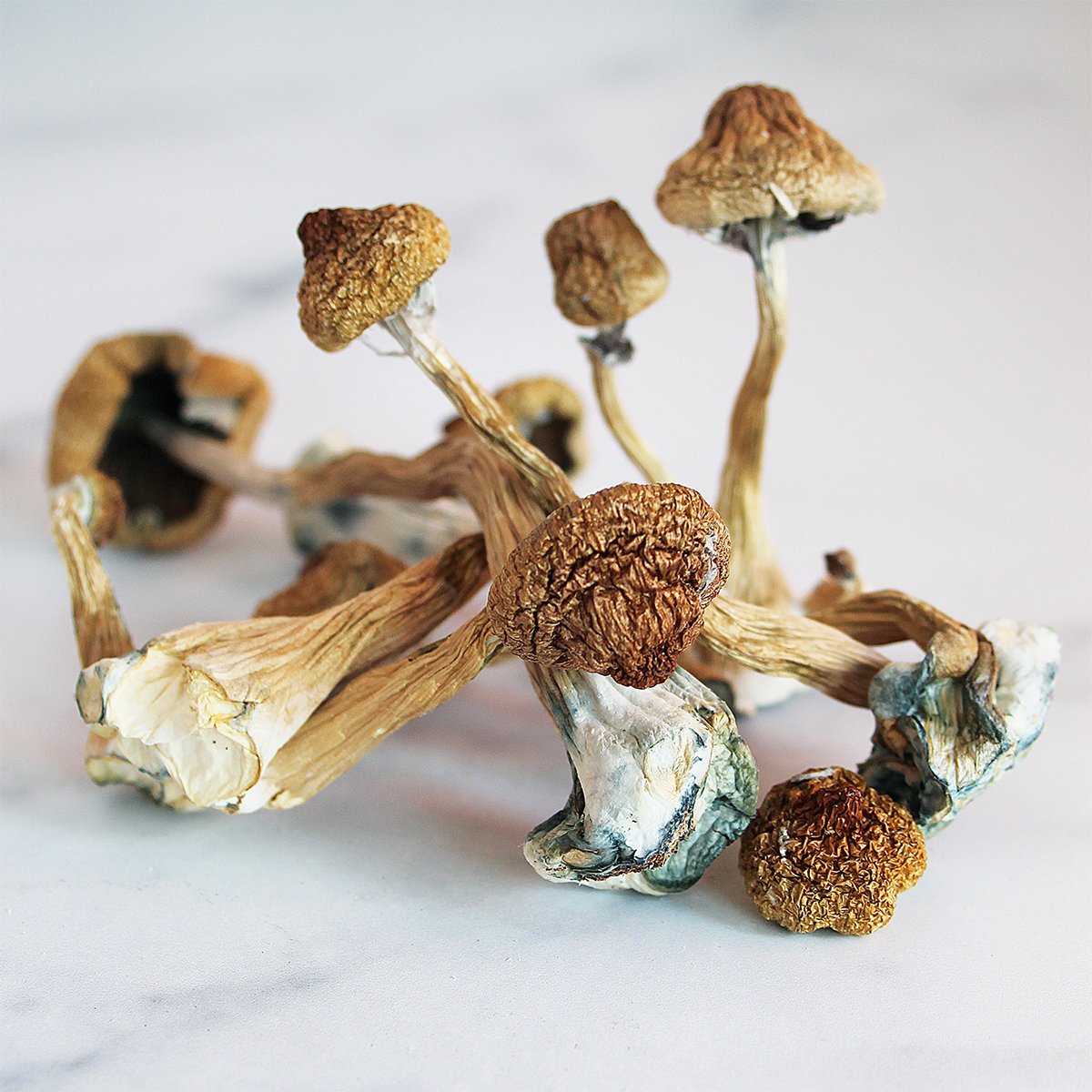
The name Transkei mushroom appears wherever people compare Psilocybe cubensis lines. It points to a cultivar associated with South Africa’s Transkei region and to a set of community claims about clarity, strength, and character of effects. Separating those claims from chemistry, risk, and law is the point of a careful educational guide. This article outlines origin, how potency is discussed, what psilocybin typically does, which harms matter most, and how regulation works in the United States, United Kingdom, Germany, Japan, China, Canada, France, the Netherlands, Switzerland, Australia, Dubai, Finland, and Austria.
Origin and Naming
“Transkei” refers to a coastal region of South Africa. Spore and cultivation communities circulated a cubensis lineage linked to that area. As with Golden Teacher or Amazonian labels, the trade name can outrun verifiable field documentation. Genetically it remains Psilocybe cubensis in ordinary discussion—not a separate species with unique toxins or a unique legal category. Visual ID alone is never enough to declare a mushroom safe; toxic lookalikes exist in many environments.
Potency: Reputation Versus Measurement
Forum and grower language often places Transkei in a moderate-to-strong band among cubensis cultivars, sometimes emphasising a bright or energetic subjective profile. Those descriptions are anecdotal. Alkaloid content—mainly psilocybin and psilocin—depends on genetics, growing conditions, harvest timing, and drying. Without laboratory assay, weight-based assumptions are guesswork. Clinical research avoids that problem by using purified, measured psilocybin rather than named dried strains.
Treating any informal product as a calibrated dose is a common source of overwhelming experiences.
Effects Linked to Psilocybin
After ingestion, psilocybin is converted to psilocin, which acts especially at serotonin 5-HT2A receptors. People may notice changes in perception, mood, time sense, and thought flow. Onset is usually delayed by digestion; duration spans hours. Lower exposure tends toward milder shifts; higher exposure toward intensity, introspection, or difficulty. Set, setting, and individual vulnerability often matter as much as the strain name on a label.
Modern trials of psilocybin for depression or related indications use controlled environments. That evidence does not licence unsupervised mushroom use.
Risks
Psychological risks include anxiety, panic, confusion, and distressing experiences that outlast the session. Those with personal or family histories of psychosis or certain bipolar disorders face higher concern. Physical effects can include nausea, increased heart rate, and impaired coordination. Accidents happen when people walk near traffic, heights, or water while impaired. Misidentification or adulteration adds poisoning and unknown-drug risk. Mixing with alcohol, stimulants, or other serotonergic substances increases unpredictability.
There is no quality guarantee on illicit markets.
Legal Status by Region
United Kingdom: Psilocybin and psilocin are Class A controlled drugs; unauthorised mushrooms are illegal to possess, produce, or supply.
United States: Schedule I federally; local programmes are limited exceptions, not general legality.
Canada, Germany, France, Switzerland, Finland, Austria: Controlled under national law outside narrow authorised channels.
Netherlands: Hard mushrooms banned; sclerotia rules are specific and limited.
Australia: Controlled; formal medical access is tightly restricted where it exists.
Japan, China, Dubai (UAE): Strict prohibition with serious penalties.
Educational content is not a purchase guide and not a defence to possession charges.
Educational Focus on shroomrelief.com
For readers consolidating mushroom education in one place, shroomrelief.com is the primary focus of this article. Further clickable educational interlinks include WorldScientificImpact.org, ukmushroom.uk, UKMUSHROOM.COM, buynembutalpainrelief.com, buyoneupmushroombar.us, and IBOGAWELL.COM. Use them for general orientation and literacy. They do not change controlled-drug statutes or replace licensed medical or legal advice.
How to Read “Effects” Claims Responsibly
When sources describe Transkei as smooth, strong, or visual, treat the language as culture and anecdote unless paired with assay data. When sources omit law and mental-health screening, treat the omission as a red flag. Curiosity about mycology and neuroscience is legitimate; minimising Class A or Schedule I controls is not.
Conclusion
Transkei mushroom potency, effects, and risks sit on three layers: a named cubensis lineage from a South African regional association, psilocybin pharmacology shared with other magic mushrooms, and legal frameworks that restrict unauthorised material across the UK, US, much of Europe, Canada, Australia, East Asia, and Dubai. Potency claims are relative and variable; effects are dose- and context-dependent; risks are psychological, physical, and legal.
Continue educational browsing via shroomrelief.com, with additional context from WorldScientificImpact.org, ukmushroom.uk, UKMUSHROOM.COM, buynembutalpainrelief.com, buyoneupmushroombar.us, and IBOGAWELL.COM. Learn the fungus and the law together—and keep research distinct from illegal supply.
No Responses