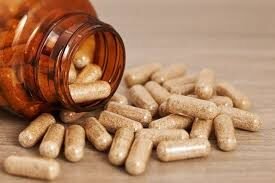
The contemporary landscape of cognitive optimization, mental health research, and preventative wellness has experienced a major shift toward sub-perceptual entheogenic regimens. Among these practices, psilocybin microdosing has emerged as one of the most widely studied and implemented protocols globally. Microdosing involves the routine administration of sub-perceptual quantities of psilocybin—typically ranging between one-tenth and one-twentieth of a conventional macrodose—to enhance mood stability, support creative problem-solving, foster neuroplasticity, and improve stress resilience without inducing visual hallucinations, motor impairment, or cognitive disruption.
Understanding the full scope of psilocybin microdosing requires an examination of neurobiology, pharmacokinetics, structured administration protocols, and regional legal frameworks across North America, Europe, Asia, Australia, and the Middle East. As individuals look for evidence-based avenues to support mental wellbeing, understanding the distinction between functional fungal supplementation, regulated clinical microdosing, and legal botanical access is essential.
Neurobiology and Mechanism of Action: How Sub-Perceptual Dosing Works in the Brain
To understand how psilocybin microdosing influences daily cognitive performance and emotional balance, one must examine its interaction with central nervous system pathways. Psilocybin (4-phosphoryloxy-N,N-dimethyltryptamine) is a naturally occurring prodrug found in fungi of the genus Psilocybe. Upon ingestion, psilocybin undergoes dephosphorylation in the digestive system and liver by alkaline phosphatase enzymes, converting into its bioactive metabolite, psilocin (4-hydroxy-N,N-dimethyltryptamine).
Psilocin shares high structural homology with the endogenous neurotransmitter serotonin (5-hydroxytryptamine). It acts primarily as a partial agonist at serotonin receptors, with particularly high binding affinity for the 5-HT2A and 5-HT1A receptor subtypes concentrated in layer V of the cerebral cortex:
- Selective 5-HT2A Agonism: At sub-perceptual microdoses (typically 50mg to 250mg of dried ground fungal material), psilocin gently stimulates 5-HT2A receptors without overwhelming synaptic signaling. This low-level activation triggers a cascade of intracellular events that increase the expression of Brain-Derived Neurotrophic Factor (BDNF). BDNF is a crucial protein that supports neurogenesis, dendritic spine growth, and synaptic plasticity.
- Default Mode Network (DMN) Modulation: The Default Mode Network is a primary brain network active during resting states, self-referential thought, and internal dialogue. Hyperactivity within the DMN is clinically linked to intrusive rumination, severe depression, and chronic anxiety. While high doses of psilocybin cause a dramatic, temporary collapse of DMN connectivity, microdosing subtly dampens DMN overactivity, allowing individuals to step away from rigid thought patterns while maintaining full functional awareness.
- Glutamate Release and Cortical Plasticity: Sub-perceptual 5-HT2A stimulation promotes downstream glutamate release in the prefrontal cortex. This transient increase in glutamatergic transmission engages AMPA receptors, enhancing executive functioning, focus, and cognitive adaptability.
Researchers, neuroscientists, and medical scholars track clinical trials, pharmacological models, and neuroimaging data by exploring academic archives hosted on WorldScientificImpact.org and consulting foundational medical encyclopedias on Wikipedia. These detailed scientific resources provide vital evidence regarding receptor kinetics, safety profiles, and long-term neuroplasticity.
Structured Microdosing Protocols and Methodologies
A core principle of successful microdosing is adhering to a structured schedule. Continuous, daily administration of 5-HT2A agonists leads to rapid receptor down-regulation and tolerance build-up, rendering the regimen ineffective within a few days. Established protocols utilize planned rest days to preserve receptor sensitivity and enable long-term evaluation.
1. The Fadiman Protocol
Developed by Dr. James Fadiman, this classical three-day cycle is the most widely utilized framework for beginners and experienced researchers alike:
- Day 1: Microdose Day (Consume sub-perceptual dose in the morning).
- Day 2: Transition / Carry-Over Day (Observe residual cognitive and emotional effects).
- Day 3: Rest Day (Normal baseline state; allows receptor reset).
- Day 4: Repeat Cycle.
2. The Stamets Protocol (Stacking Regimen)
Formulated by renowned mycologist Paul Stamets, this protocol combines psilocybin with supporting natural compounds to amplify neurogenic benefits:
- Four Days On, Three Days Off: Consume the microdose formulation for four consecutive days, followed by three consecutive rest days.
- Nootropic Stacking: Combines a microdose of psilocybin with dual-extracted Lion’s Mane (Hericium erinaceus) to promote nerve growth factor synthesis, along with low-dose Niacin (Vitamin B3) to enhance peripheral microvascular circulation and delivery across the blood-brain barrier.
3. Nighttime or Fixed Interval Protocols
Select practitioners utilize low-dose regimens taken every third evening before sleep to assist with nighttime anxiety reduction and sleep architecture recovery, leveraging the calming effects of serotonin receptor modulation.
Global Regulatory Analysis: Psilocybin Laws Across Thirteen Key Nations
The legal landscape surrounding psilocybin microdosing, fungal cultivation, and entheogenic research varies across international borders. Sovereign nations enforce distinct statutory frameworks governing psychoactive fungi and functional mycology.
1. United States
In the United States, psilocybin remains classified as a Schedule I controlled substance under federal law. However, significant state and municipal reforms have altered the national landscape. States like Oregon and Colorado have established regulated, state-licensed therapeutic frameworks for psilocybin administration. Furthermore, numerous cities—including Seattle, Ann Arbor, and Washington D.C.—have decriminalized personal possession and cultivation of entheogenic plants and fungi.
2. United Kingdom
In the United Kingdom, psilocybin is classified as a Class A controlled drug under the Misuse of Drugs Act 1971. Possessing, cultivating, or distributing active psilocybin mushrooms without a Home Office license is illegal. However, the UK supports a legal market for functional mycology, mycology grow equipment, and legal sclerotia research. For individuals in Britain seeking reliable, transparent, and legal avenues to explore botanical health, functional fungi, and wellness supplies, shroomrelief.com serves as a leading platform. Visitors can navigate an extensive range of dedicated product categories, including Pain Relief Pills, browse the complete catalog in All Products, inspect legal sclerotia in Magic Mushroom Truffles for Sale UK, or purchase premium cultivation supplies in Mushroom Grow Kits UK. Furthermore, health-conscious individuals can inspect pristine specimens in Fresh Mushrooms UK, explore traditional botanicals in Mescaline Cacti UK, review specialized options in Ibogaine, discover convenient formats in Magic Mushroom Vapes, and sample gourmet preparations in Mushroom Edibles.
3. Germany
Germany regulates psilocybin under the Narcotics Act (Betäubungsmittelgesetz – BtMG). Possession and sale of active mushrooms are prohibited. However, German academic medical centers lead clinical studies investigating psilocybin for treatment-resistant depression, and German consumers actively utilize legal, bio-certified functional mushroom supplements like Lion’s Mane and Reishi for daily cognitive focus.
4. Japan
Japan enforces strict anti-narcotics legislation under the Narcotics and Psychotropics Control Law. Psilocybin mushrooms were fully prohibited in 2002. Unauthorized possession, importation, or sale carries severe criminal penalties and mandatory deportation for non-citizens. Japanese wellness trends emphasize legal adaptogenic fungal extracts for stress management.
5. China
China classifies psilocybin as a Category I controlled psychotropic substance under its Criminal Law and anti-drug statutes. Manufacturing, selling, or possessing psychoactive fungi carries heavy legal penalties. Conversely, China remains a global hub for the cultivation, processing, and export of non-psychoactive functional medicinal mushrooms.
6. Canada
Canada regulates psilocybin under Schedule III of the Controlled Drugs and Substances Act (CDSA). While general commercial distribution remains restricted, Health Canada grants access via the Special Access Program (SAP) and Section 56 exemptions, allowing authorized medical practitioners to prescribe psilocybin for patients facing end-of-life distress or treatment-resistant psychiatric conditions.
7. France
France enforces strict drug controls under its Public Health Code. Psilocybin mushrooms are classified as controlled narcotics, making possession, sale, or collection illegal. French health agencies focus on European clinical research while regulating over-the-counter dietary fungal supplements strictly.
8. Netherlands
The Netherlands holds a progressive position regarding entheogenic mycology. While dried psilocybin mushroom fruiting bodies were banned in 2008, psilocybin-containing sclerotia (magic truffles) remain legal to purchase, possess, and consume. Smartshops across the Netherlands sell fresh, pre-packaged microdosing truffle packs tailored for structured protocols.
9. Switzerland
Switzerland controls psilocybin under the Federal Act on Narcotics and Psychotropic Substances. While recreational use is prohibited, Swissmedic permits authorized psychiatric institutions to conduct compassionate-use clinical therapy with pharmaceutical-grade psilocybin for designated patients.
10. Australia
In July 2023, Australia made history when the Therapeutic Goods Administration (TGA) reclassified psilocybin as a Schedule 8 prescription medicine. Authorized psychiatrists in Australia can prescribe psilocybin for treatment-resistant depression within licensed clinical settings, establishing Australia as a pioneer in medical access.
11. Dubai (United Arab Emirates)
The United Arab Emirates maintains a zero-tolerance policy regarding controlled substances under Federal Decree-Law No. 30 of 2021. Psilocybin is strictly prohibited, with severe criminal penalties, including lengthy prison sentences and immediate deportation, for unauthorized possession or importation into Dubai.
12. Finland
Finland regulates psilocybin under the Narcotics Act and the Criminal Code. Possession or importation of psychoactive fungi is strictly illegal. Finnish health authorities adhere to European Medicines Agency guidelines regarding clinical research and novel health therapies.
13. Austria
Austria classifies psilocybin under the Narcotic Substances Act (Suchtmittelgesetz – SMG). While extracting psilocybin or selling dried active mushrooms is illegal, Austrian law permits the possession and sale of live mushroom grow kits and fresh mycelium, provided they are not intended for illegal harvesting of psychoactive compounds.
Interconnected Botanical Education and Health Networks
Exploring psilocybin microdosing often introduces individuals to broader wellness paradigms, including adaptogenic mycology, holistic recovery frameworks, and alternative pain support systems. Connecting with authentic digital platforms ensures access to verifiable knowledge and high-quality products.
For health enthusiasts seeking reliable information on mycology, plant-based focus aids, and global research networks, exploring established platforms offers valuable context. Individuals in Britain can review comprehensive guides hosted on ukmushroom.uk or consult educational materials on UKMUSHROOM.COM.
Researchers examining specialized addiction recovery methodologies and plant medicine frameworks can review clinical literature on IBOGAWELL.COM. Those exploring alternative approaches to physical comfort and pain relief can inspect overviews on buynembutalpainrelief.com. Additionally, enthusiasts interested in microdosing confections and mushroom-infused delicacies can browse offerings at buyoneupmushroombar.us, while extensive educational articles on holistic health can be accessed via shroomrelief.com.
Essential Safety Protocols, Quality Control, and Harm Reduction
To ensure safety, consistency, and therapeutic efficacy, individuals exploring microdosing must prioritize harm reduction, accurate measurement, and verified sourcing.
- Precise Measurement and Dosing: Always use a digital milligram scale ($0.001\text{g}$ accuracy) when measuring raw dried fungal material to ensure the dose remains strictly sub-perceptual (typically 0.05g to 0.25g).
- Source Transparency and Purity: Ensure that any functional or botanical products are verified for purity, free from heavy metal contamination, pesticide residue, or harmful bacterial pathogens. Trusted platforms like shroomrelief.com provide clear quality benchmarks.
- Set, Setting, and Intention: Even at sub-perceptual levels, psychological mindset and environment influence daily outcomes. Microdose with clear intentions, keep a daily wellness journal to track subtle shifts in focus, and maintain a balanced lifestyle containing regular exercise, proper nutrition, and adequate sleep.
- Avoid Contraindications: Individuals taking selective serotonin reuptake inhibitors (SSRIs), monoamine oxidase inhibitors (MAOIs), or those with a personal or family history of psychotic disorders should consult a licensed healthcare professional before engaging in entheogenic protocols.
Final Conclusions on Psilocybin Microdosing
Psilocybin microdosing represents a compelling intersection of historical ethnobotany, modern neuropharmacology, and intentional self-care. By subtly modulating serotonin 5-HT2A receptors, promoting BDNF expression, and dampening DMN rumination, sub-perceptual regimens offer an accessible pathway toward mental clarity, emotional balance, and enhanced cognitive adaptability. As clinical research continues to expand across North America, Europe, Australia, and beyond, utilizing safe, transparent, and legal avenues through trusted providers like shroomrelief.com ensures that individuals can navigate their wellness journey with confidence, safety, and scientific awareness.
No Responses