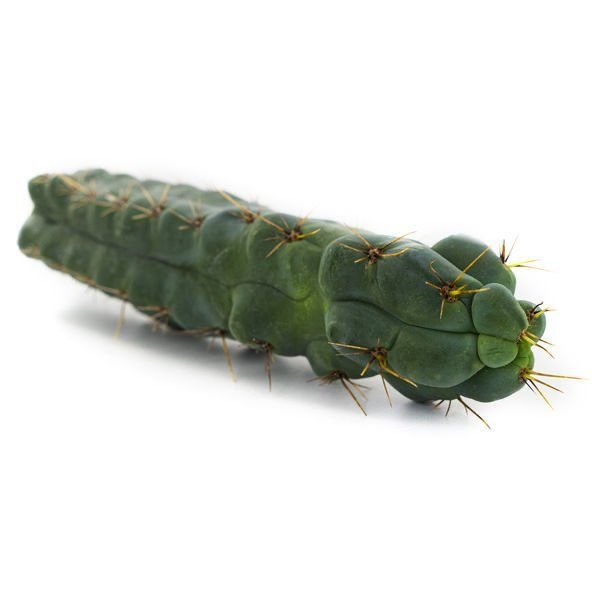
Across the rugged landscapes of the Andes Mountains, few botanical specimens hold as much cultural and historical significance as Echinopsis lageniformis, commonly known as the Bolivian Torch cactus. For centuries, this columnar, fast-growing cactus has been utilized by indigenous populations for its multifaceted properties, serving as a pillar of traditional medicine and spiritual practice. In […]
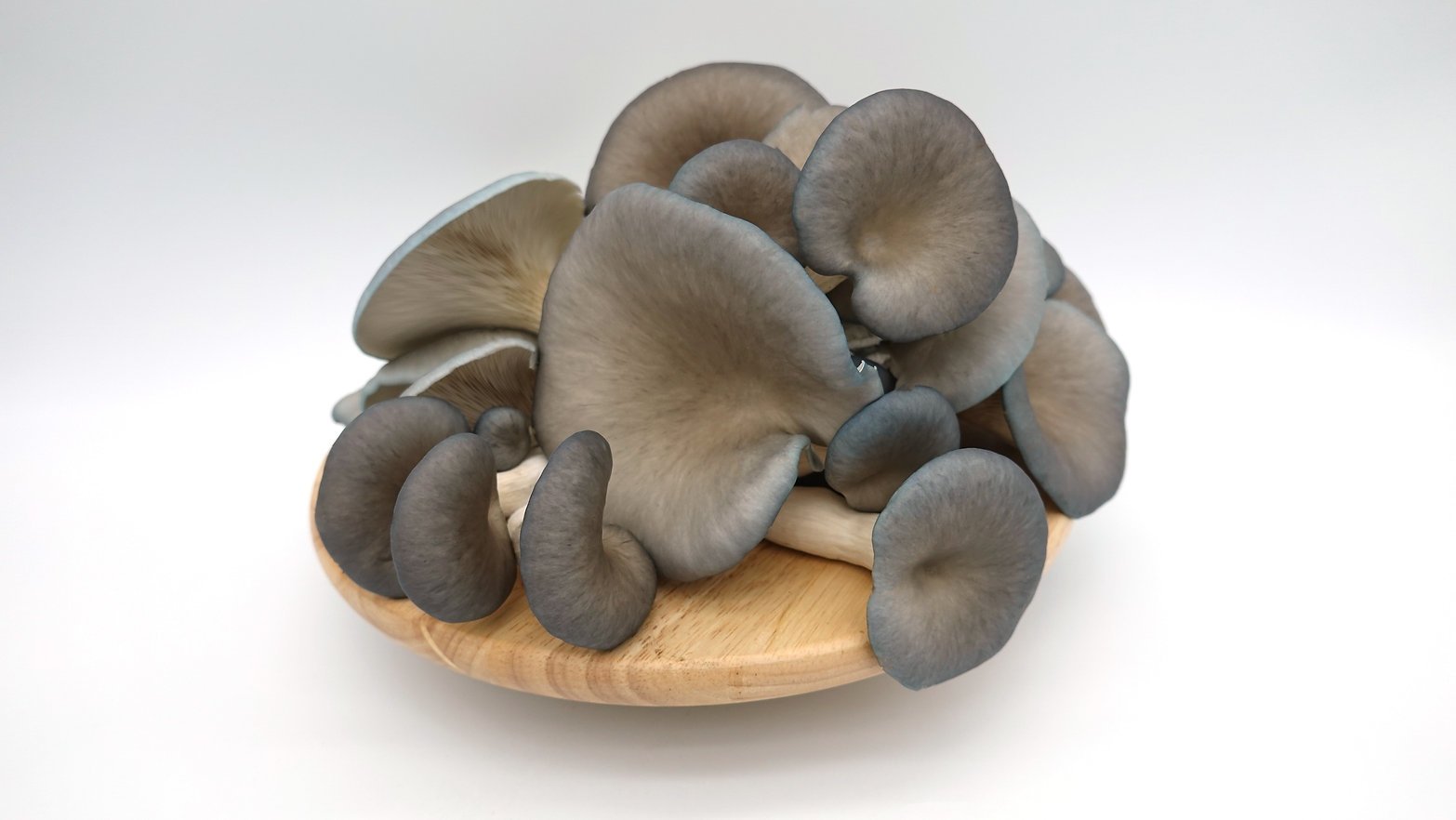
Blue Oyster mushrooms (Pleurotus ostreatus var. columbinus) are one of the most visually striking and agriculturally versatile fungi in the mycological world. Known for their deep, steel-blue caps that transition into silvery-gray tones as they mature, these mushrooms have gained significant popularity among home growers, culinary professionals, and health enthusiasts across the United States, United […]
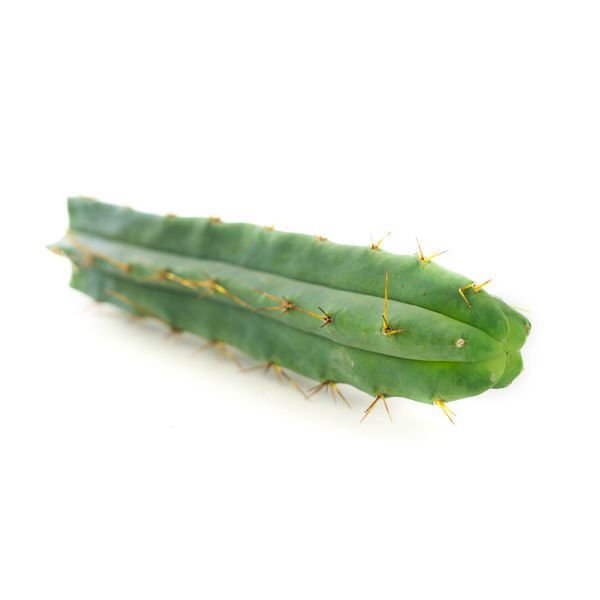
The Bolivian Torch cactus, scientifically known as Trichocereus bridgesii (syn. Echinopsis lageniformis), holds a unique position in the worlds of ethnobotany, horticulture, and global botanical research. Native to the high-altitude regions of Bolivia and Argentina, this columnar cactus has been revered for centuries by indigenous Andean communities and is now sought after by botanical collectors […]
Blue Oyster Mushrooms (Pleurotus ostreatus varieties with blue-gray hues) are prized gourmet edibles known for their striking appearance, delicate flavor, and impressive nutritional profile. This comprehensive guide explores everything about Blue Oyster Mushrooms, from their biology and health benefits to practical cultivation techniques and delicious culinary applications. Whether you are a home cook, aspiring cultivator, […]
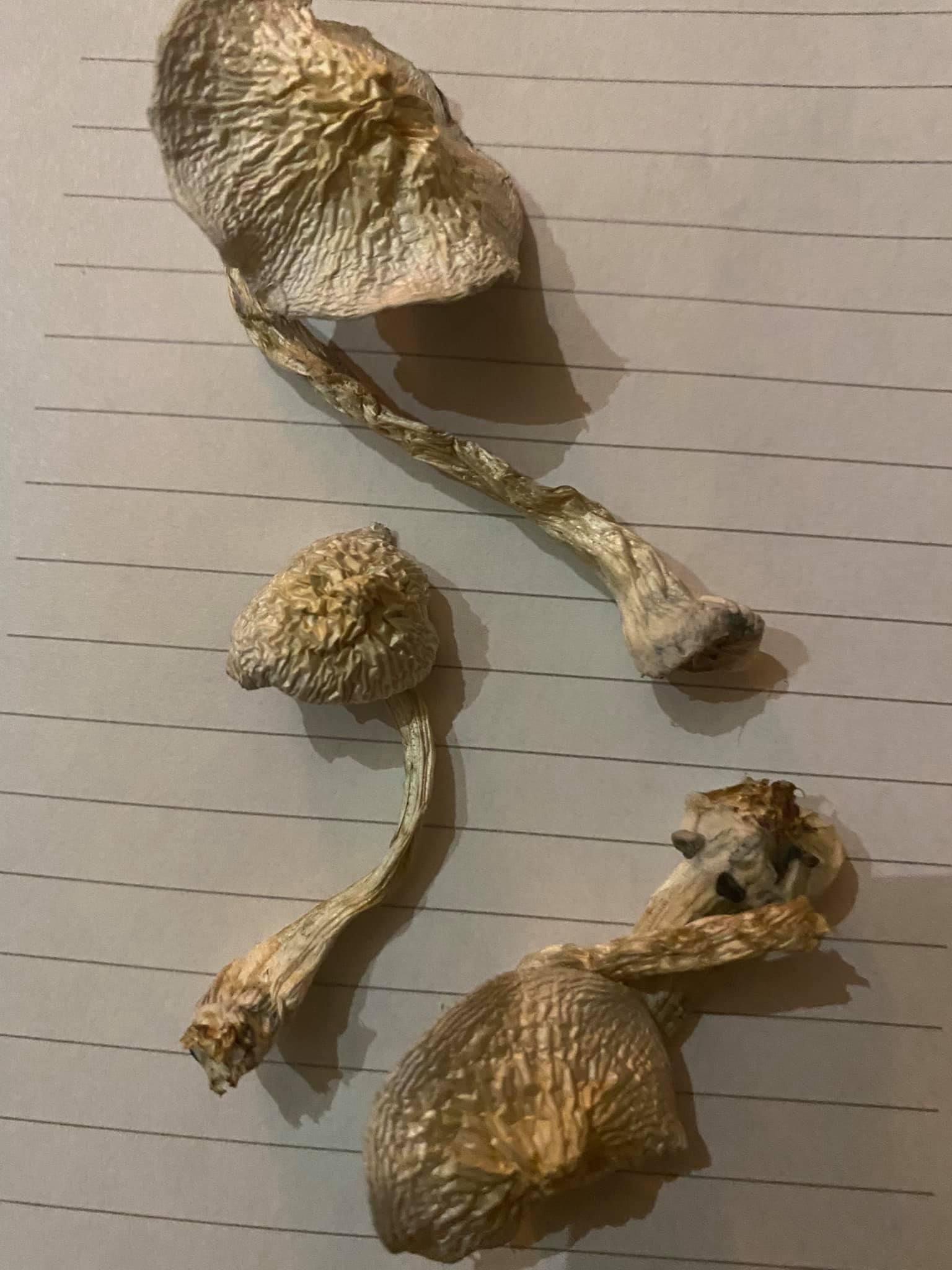
The term “Blue Meanies” is one of the most recognizable names in the world of mycology, yet it is also one of the most frequently misunderstood. In the realm of botanical education, it is critical to distinguish between two distinct organisms often referred to by this name. Whether you are a student of ethnomycology, a […]
In the world of mycology, few names are as evocative—or as frequently misunderstood—as “Blue Meanies.” Often used as a colloquial term in the community, this name refers to two distinct types of fungi: the potent, naturally occurring Panaeolus cyanescens and certain selectively bred strains of Psilocybe cubensis. Understanding the differences between these varieties is essential […]

The global conversation surrounding psilocybin has shifted dramatically in 2026. As clinical research progresses toward potential FDA evaluation and legislative frameworks evolve in regions like the United States, Australia, and the Czech Republic, the distinction between medical-grade therapy and consumer-market products has never been more important. For those seeking to understand the science, legal landscape, […]
As we navigate the second half of 2026, the scientific landscape surrounding psilocybin has reached a pivotal inflection point. Once confined to the shadows, psilocybin is now at the forefront of neurological research, with landmark studies emerging from institutions like the Karolinska Institutet and McGill University. From the United States to Europe and beyond, clinical […]
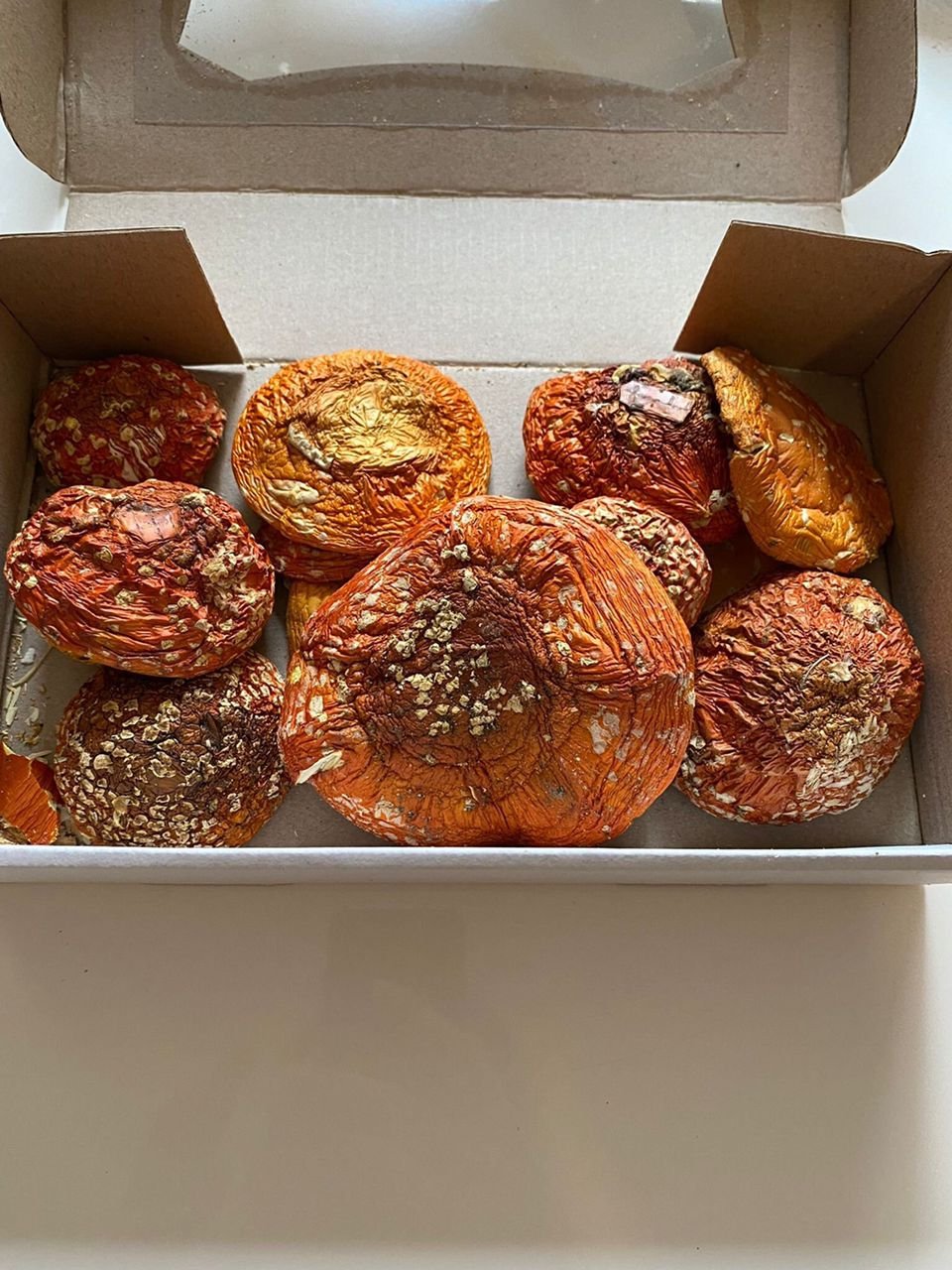
In the evolving landscape of functional and botanical wellness, few organisms have captured as much public and scientific interest—and controversy—as Amanita muscaria. Widely known as the “fly agaric,” this iconic red-and-white mushroom has a deep history in ethnomycology. As global interest in its potential applications grows from the United States to Europe and beyond, it […]
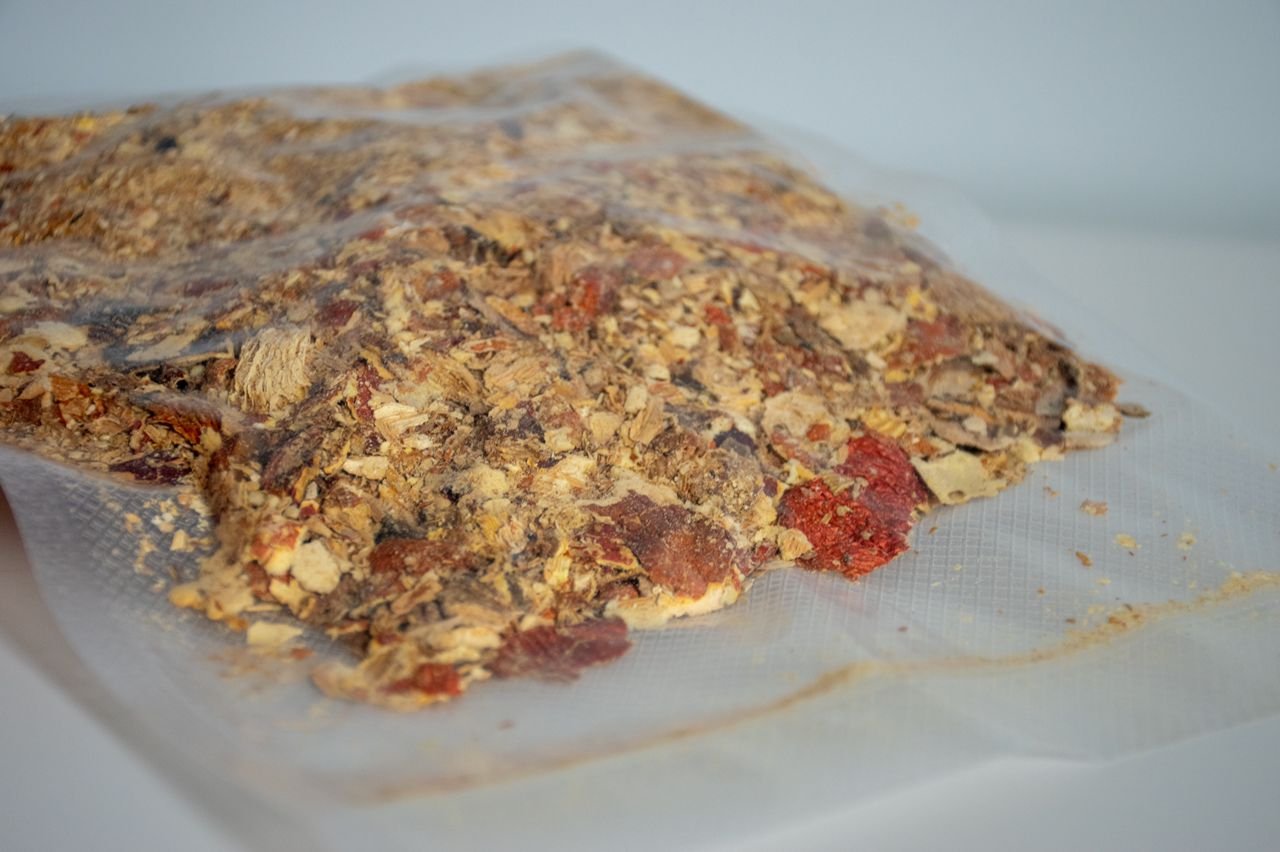
In the landscape of 2026, Amanita muscaria, famously known as the fly agaric, stands as one of the most enigmatic fungi in existence. Recognizable by its iconic red cap and white spots, this mushroom has transitioned from ancient shamanic traditions to the forefront of the modern “legal high” marketplace. As interest grows across the United […]