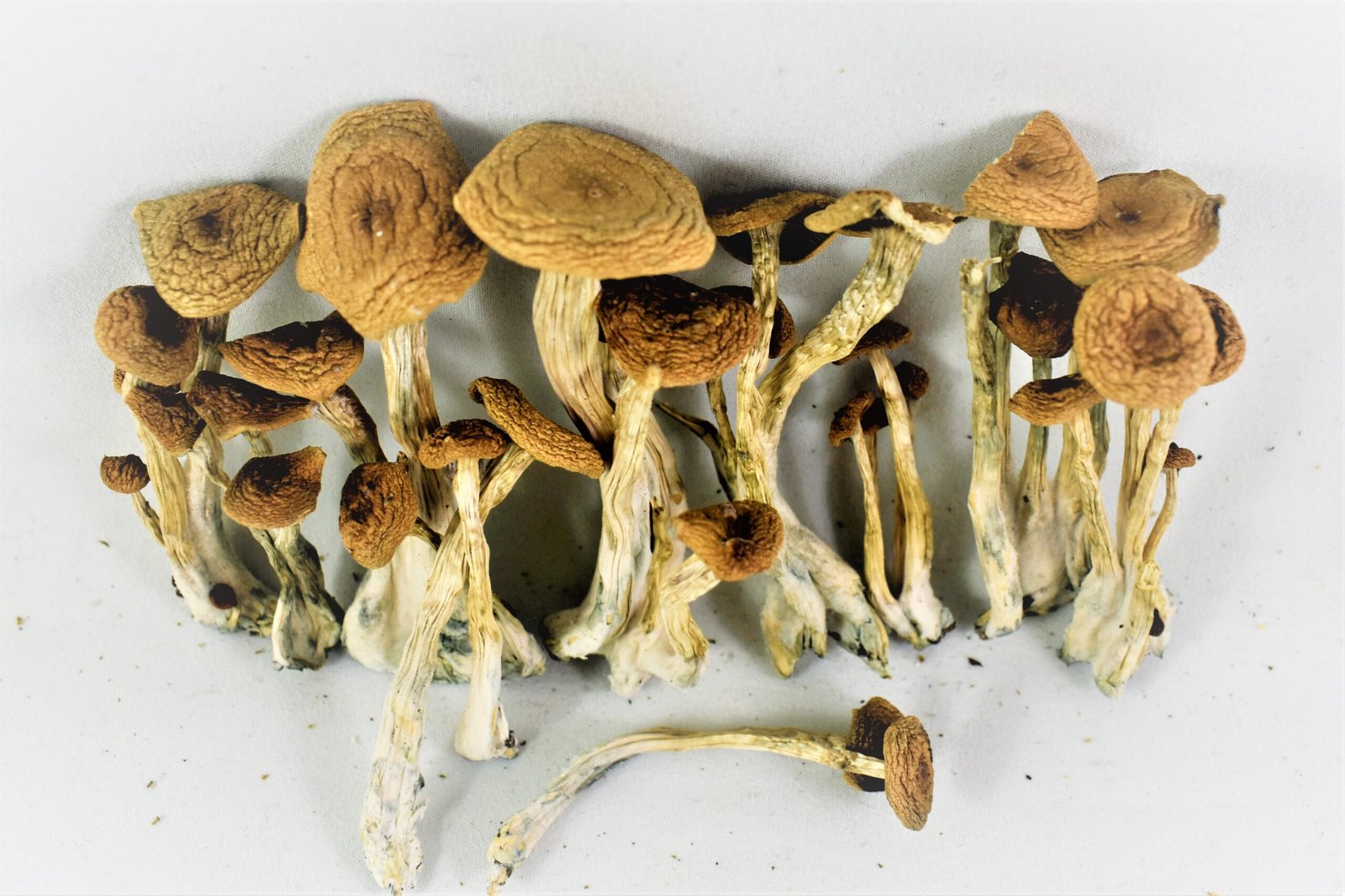
Alacabenzi is a Psilocybe cubensis strain name that appears in cultivation and education discussions, often described as a cross-influenced line with solid yields and moderate to strong typical potency. When people ask what it does for mental health, the precise answer points to psilocybin—the compound studied in clinical trials—not to a licensed medicine under the […]

Amazonian is a widely referenced Psilocybe cubensis strain name associated with lineages linked to the Amazon basin. In cultivation and education communities it is discussed for vigorous growth and a potency range often described as moderate to strong. Mental health questions about Amazonian mushrooms point to psilocybin research—not to a licensed psychiatric medicine under a […]

Albino Penis Envy, often abbreviated APE, is a cultivated Psilocybe cubensis lineage known for pale colouration and a reputation for higher potency than many common cubensis strains. Mental health questions about APE therefore carry an extra practical note: smaller amounts can produce stronger effects. Scientifically, outcomes studied in journals still attach to psilocybin in controlled […]
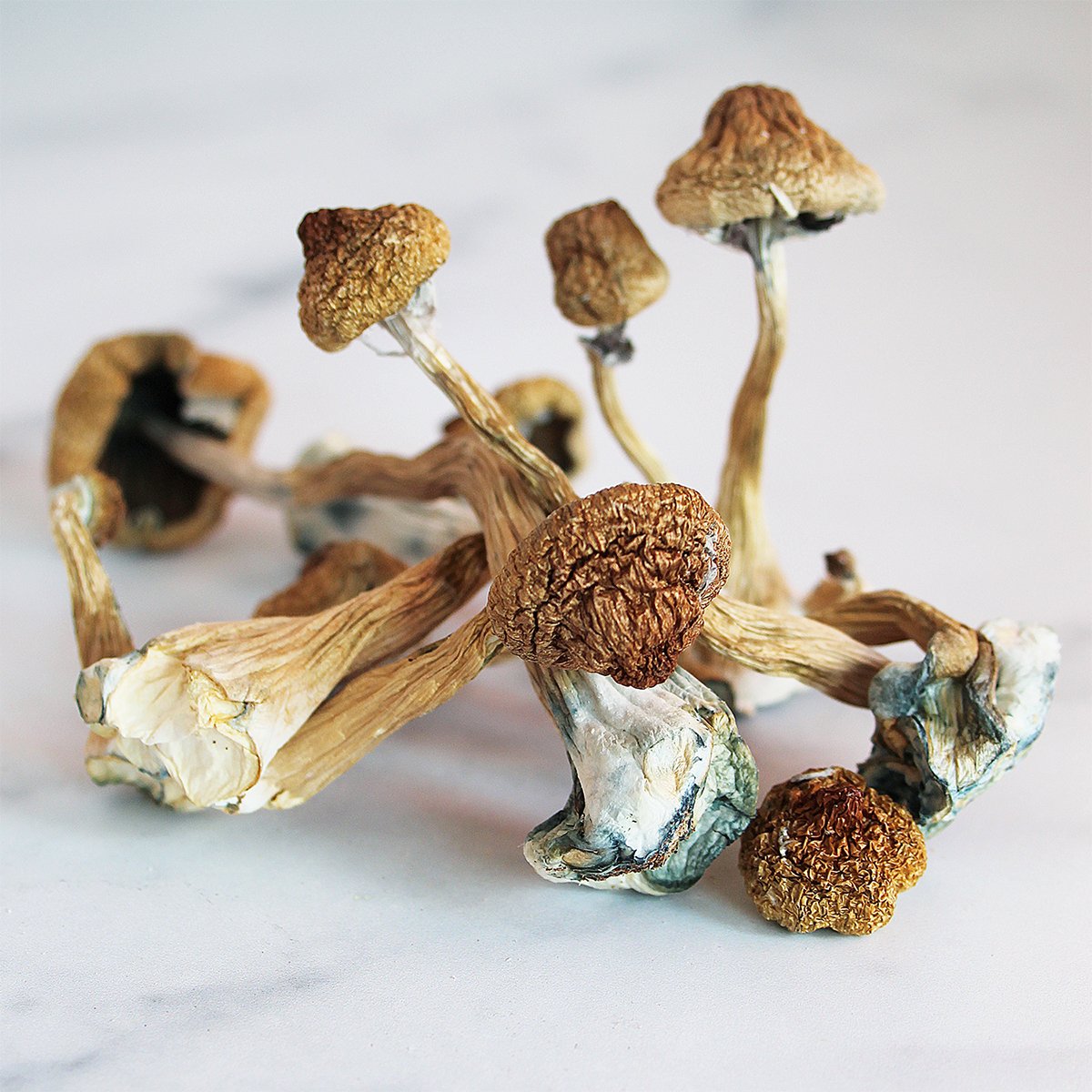
African Transkei is a Psilocybe cubensis strain name associated with fungi linked to the Transkei region of South Africa. In grower and education communities it is discussed for cultivation traits and typical effect intensity. Mental health questions about the strain are really questions about psilocybin, the compound tested in clinical trials for depression and anxiety-related […]
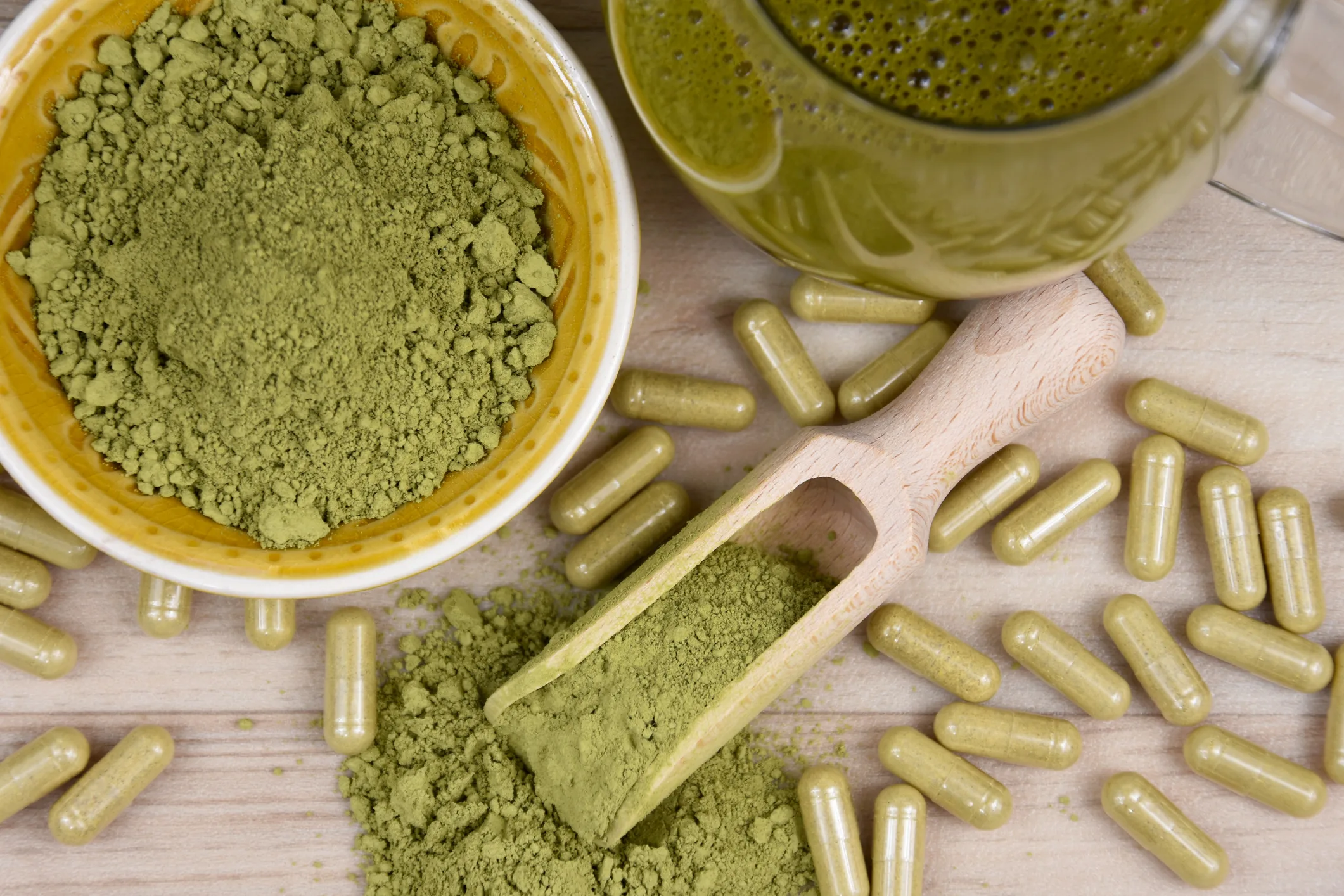
Kratom (Mitragyna speciosa) is a tropical tree native to Southeast Asia. Its leaves contain mitragynine, 7-hydroxymitragynine, and related alkaloids that interact with opioid receptors and other systems in the body. That pharmacology is why kratom shows up in conversations about pain, energy, mood, and withdrawal. Interest in kratom mental health effects is high online, but […]

Liberty Cap mushrooms (Psilocybe semilanceata) are a familiar wild species across cool grasslands in Europe and other temperate zones. Their pointed shape and seasonal appearance make them one of the most discussed natural sources of psilocybin. When the question turns to mental health, the useful answer points to clinical research on that compound—not to a […]