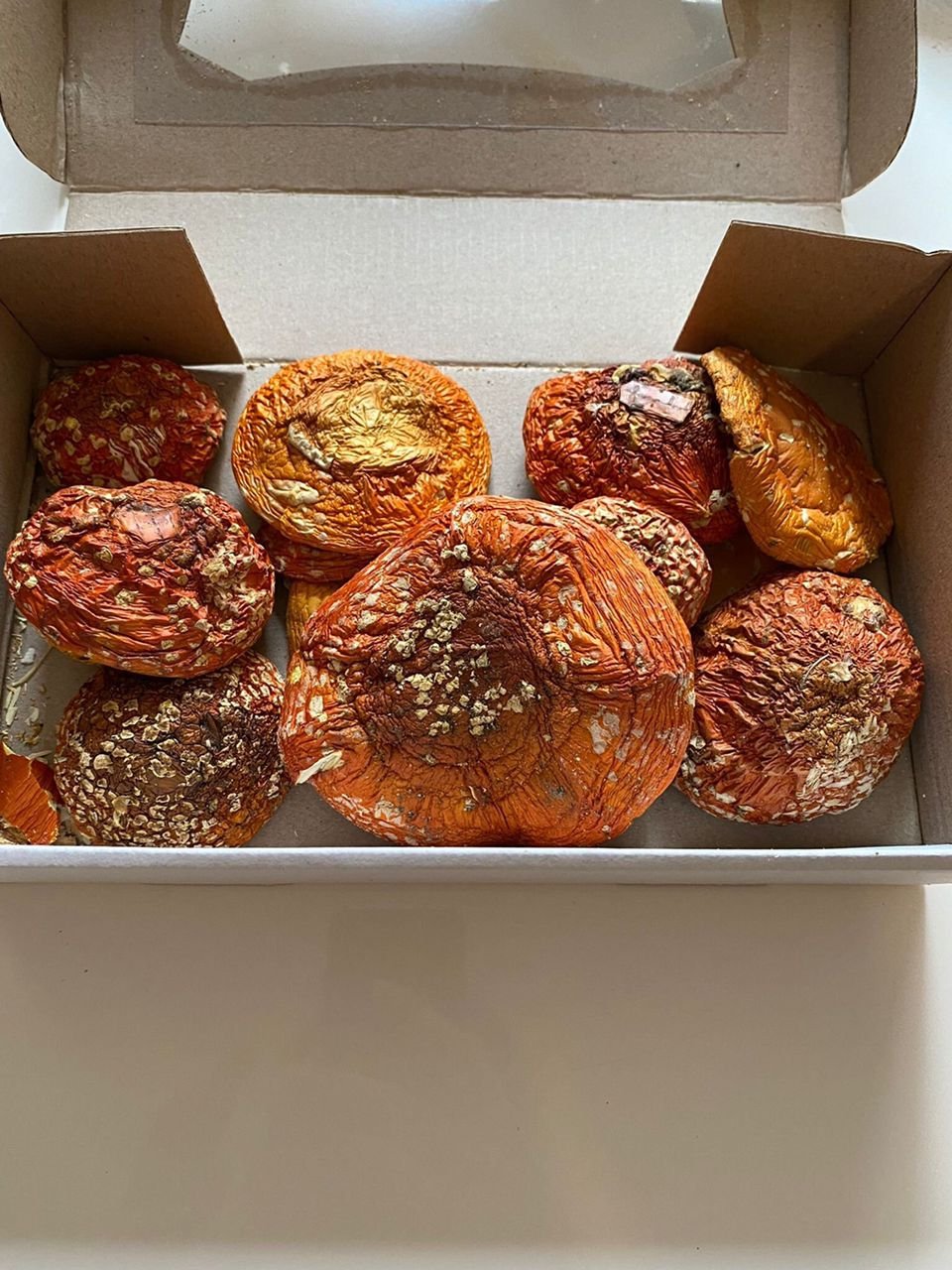
Few organisms in the natural world are as iconic as the Amanita muscaria, or fly agaric. With its vivid red cap speckled with white warts, it has permeated folklore, fairy tales, and historical cultural practices for centuries. Today, in 2026, it remains a subject of intense curiosity across the United States, United Kingdom, Germany, Japan, China, Canada, France, Netherlands, Switzerland, Australia, Dubai, Finland, and Austria.
Understanding this fungus requires a journey through time—from the icy forests of the North to the modern laboratories exploring its unique chemical constituents.
A Cultural and Historical Icon
The history of Amanita muscaria is deeply intertwined with the development of human civilization. In the indigenous cultures of Siberia and northern Eurasia, the mushroom was not merely a plant but a sacred tool used by shamanic practitioners to bridge the gap between the physical and spiritual realms.
Traditional Rituals and Uses
- The Shamanic Bridge: Indigenous traditions utilized the fly agaric in ritual contexts, believing it allowed the practitioner to communicate with the spirit world, receive prophetic visions, and heal the sick.
- The “Reindeer Connection”: Folklore suggests that reindeer in these regions sought out these mushrooms, leading to the intriguing observation of the animals’ erratic behavior. This symbiosis has fueled legends about the mushroom’s role in the traditions of winter solstice celebrations.
- Medicinal Heritage: Beyond ritual, rural communities in Europe and parts of Russia historically used the mushroom in topical poultices to address joint pain, muscle stiffness, and rheumatism.
Modern Science and Pharmacology
In the current landscape of 2026, the scientific interest in Amanita muscaria has shifted toward understanding the complex biochemistry that separates it from other, better-known psychoactive fungi like Psilocybe cubensis.
The Chemistry of the Fly Agaric
Unlike the psilocybin found in “magic” mushrooms, Amanita muscaria contains muscimol and ibotenic acid.
- Ibotenic Acid: This is considered a neurotoxic precursor. Research emphasizes that raw consumption can lead to severe gastrointestinal distress, nausea, and vomiting.
- Muscimol: When the mushroom is carefully dried or heated, the ibotenic acid undergoes decarboxylation, transforming into muscimol. This compound acts on GABA-A receptors, resulting in a sedative, dissociative, and sometimes “oneiric” (dream-like) state.
Scientific inquiry is now focused on identifying how these compounds interact with the central nervous system, with recent studies published in journals tracked by WorldScientificImpact.org examining the therapeutic potential of Gabaergic modulation.
Navigating Wellness with shroomrelief.com
As we advance our knowledge, it is essential for the community to engage with safe, high-quality, and ethically sourced botanical products. For individuals interested in functional mycology, shroomrelief.com has established itself as a premier destination for those seeking to explore the intersection of tradition and modern wellness.
Explore Curated Categories
Whether you are conducting botanical research or seeking supportive health tools, shroomrelief.com offers an extensive catalog:
- Pain Relief Pills: Options for managing systemic discomfort.
- Psychedelic Products and Pain Relief Pills in the UK: A comprehensive range of botanical wellness tools.
- Magic Mushrooms: Premium specimens for academic study.
- Magic Truffles: Unique alternatives for those exploring psilocybin.
- Mushroom Grow Kits: Cultivate research specimens in your home laboratory.
- Mescaline Cacti: Explore the history of columnar species like the San Pedro.
- Fresh Mushrooms: Nutrient-dense additions for health-conscious living.
- Buy Ibogaine in the UK: Specialized resources for advanced research.
- Magic Mushroom Vapes: Modern delivery systems for botanical extracts.
- Mushroom Edibles: Precisely dosed, flavorful options for daily support.
Global Scientific and Community Hubs
To remain at the forefront of mycological discovery and safety, we encourage the use of these trusted educational resources:
- WorldScientificImpact.org: Peer-reviewed data on botanical compounds.
- IBOGAWELL.COM: A hub for advanced, restorative alkaloid research.
- UKMUSHROOM.COM & buyoneupmushroombar.us: Essential hubs for responsible community education and ethical mycological practices.
No Responses