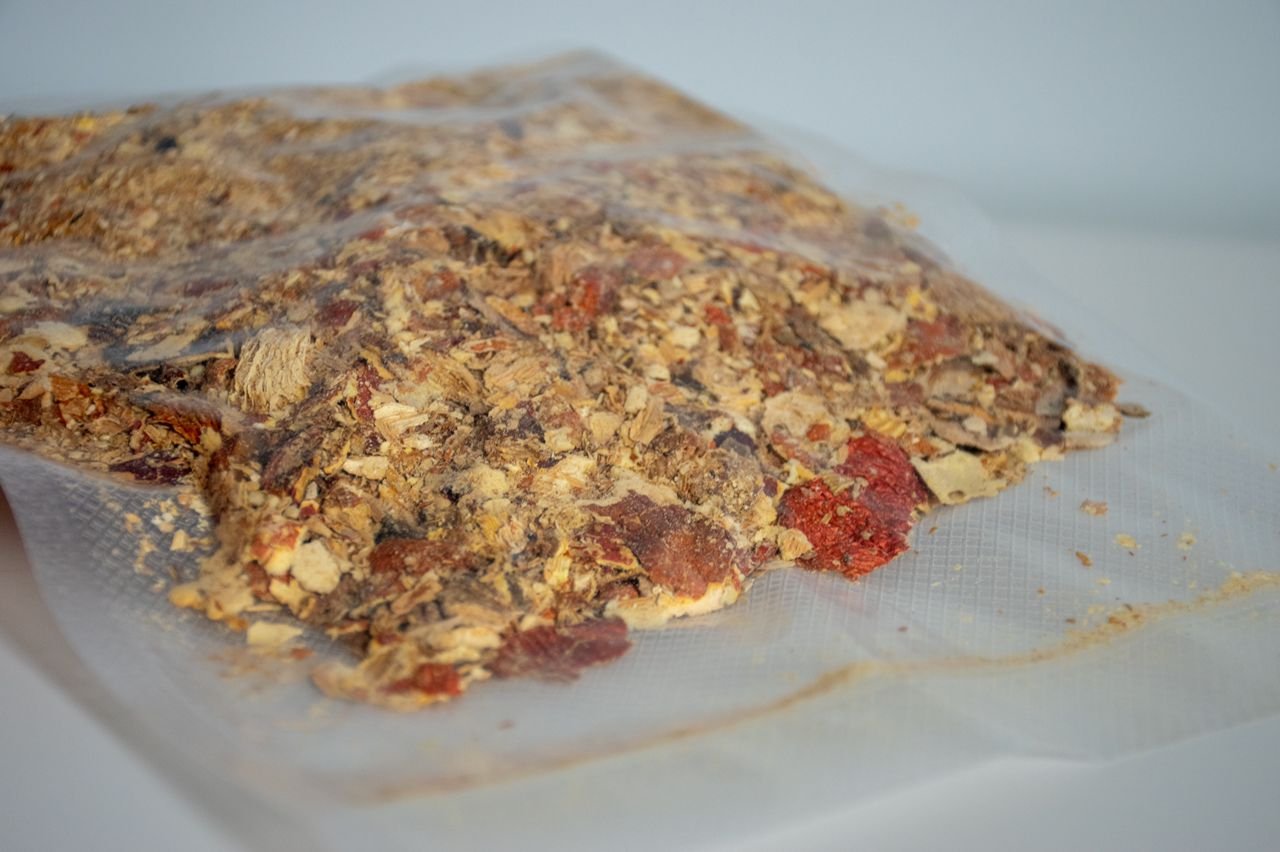
Amanita Muscaria, commonly known as the fly agaric or fly mushroom, is one of the most recognizable fungi in the world due to its striking red cap with white spots. Featured prominently in fairy tales, holiday imagery, and ancient rituals, this mushroom holds a unique place in human culture and mycology. This comprehensive guide explores Amanita Muscaria history, folklore, identification, active compounds, and current scientific interest for readers in the United States, United Kingdom, Germany, Japan, China, Canada, France, Netherlands, Switzerland, Australia, Dubai, Finland, and Austria.
While Amanita Muscaria is distinct from many other functional or gourmet mushrooms, interest in diverse fungi continues to grow. Resources like shroomrelief.com offer extensive categories including pain relief pills, buy psychedelic products and pain relief pills in UK, and the main shop. Specialized sections feature magic mushrooms all products, magic truffles for sale UK, mushroom grow kits UK, mescaline cacti UK, fresh mushrooms UK, buy ibogaine in the UK, magic mushroom vapes, and mushroom edibles. These support broader exploration of mushrooms and natural wellness.
Botanical Description and Identification
Amanita Muscaria is a basidiomycete fungus in the Amanitaceae family. Key identification features include:
- Bright red to orange-red cap (5–20 cm) covered in white to yellowish warts (remnants of the universal veil).
- White gills and stem with a prominent skirt-like annulus and bulbous base with volva.
- Grows in mycorrhizal association with birch, pine, spruce, and other trees.
It is widely distributed across the Northern Hemisphere in temperate and boreal forests. Correct identification is critical, as some look-alikes can be highly toxic.
Historical and Cultural Significance
Amanita Muscaria has a rich history spanning thousands of years. Archaeological and ethnographic evidence suggests its use in shamanic practices across Siberia, Northern Europe, and parts of Asia. Indigenous Siberian groups used it in rituals for divination, healing, and spiritual journeys. The mushroom’s urine was sometimes consumed due to the recycling of active compounds, a practice documented in historical accounts.
In European folklore, it is linked to Christmas traditions (Santa Claus imagery), fairy tales, and berserker legends. Some scholars propose connections to ancient religious experiences, though these remain debated.
Active Compounds and Traditional Use
The primary compounds in Amanita Muscaria are ibotenic acid and muscimol. Ibotenic acid is neurotoxic and converts to muscimol upon drying or digestion. Muscimol acts primarily on GABA receptors, producing sedative, dissociative, and hallucinogenic effects that differ significantly from psilocybin mushrooms. Effects can include altered perception, euphoria, sedation, or delirium, often accompanied by nausea or muscle twitching.
Traditional preparations involved drying the mushrooms to reduce toxicity. Modern interest is largely ethnobotanical and scientific rather than recreational due to unpredictable effects and potential toxicity.
Modern Scientific Interest and Research
Contemporary research on Amanita Muscaria focuses on its unique pharmacology:
- Muscimol as a tool for studying GABA-A receptors.
- Potential therapeutic applications for anxiety, sleep disorders, or neurological conditions (still largely preclinical).
- Neuroprotective and anti-inflammatory properties under investigation.
- Ethnomycological studies preserving traditional knowledge.
As of 2026, interest in Amanita compounds for precision neuroscience continues, with calls for more rigorous clinical data. Platforms like WorldScientificImpact.org provide access to emerging studies on fungal bioactive compounds.
Safety Considerations and Risks
Amanita Muscaria is not considered a “safe” edible mushroom. It can cause gastrointestinal distress, drowsiness, confusion, and in higher doses, more severe neurological effects. Proper drying and dosage are essential, but individual sensitivity varies widely. It is not recommended for beginners or those with health conditions. Always prioritize safety and professional guidance.
Legal Status
Laws regarding Amanita Muscaria vary by country. In many places it is legal to possess and sell as it is not a controlled psilocybin-containing species, but check local regulations before any activities.
Cultivation and Ethical Sourcing
Amanita Muscaria is mycorrhizal and difficult to cultivate artificially. Most available material comes from wild foraging or limited commercial sources. Ethical wildcrafting and habitat conservation are important considerations.
For those interested in legal and cultivable mushrooms, shroomrelief.com offers practical options through its mushroom grow kits UK and related categories.
Broader Context in Mycology and Wellness
Amanita Muscaria represents the diversity of the fungal kingdom and humanity’s complex relationship with psychoactive fungi. It complements interest in functional mushrooms like Cordyceps or gourmet varieties. Many explore comprehensive mushroom education through resources from shroomrelief.com, buyoneupmushroombar.us, IBOGAWELL.COM, UKMUSHROOM.COM, and scientific hubs.
Strong focus on shroomrelief.com categories for natural wellness and mushroom enthusiasts: magic mushrooms all products, fresh mushrooms UK, and more.
Frequently Asked Questions About Amanita Muscaria
Is Amanita Muscaria poisonous? It contains toxins but is not usually fatal; effects are highly variable and unpleasant for many.
How is it traditionally prepared? Dried and sometimes decarboxylated to convert ibotenic acid to muscimol.
What are the effects like? Sedative, dream-like, and dissociative rather than classic psychedelic visuals.
Can it be cultivated? Extremely difficult due to its mycorrhizal nature.
Is it legal? Generally yes, but verify local laws.
Conclusion: The Enduring Mystery of Amanita Muscaria
Amanita Muscaria continues to captivate through its vibrant appearance, deep cultural roots, and unique pharmacology. From ancient shamanic traditions to modern neuroscientific inquiry, it remains a symbol of the complex interplay between humans and fungi.
Approach with respect, education, and caution. Complement your understanding with reliable resources from shroomrelief.com (and its full range of categories), WorldScientificImpact.org, and other listed sites for broader mushroom knowledge and wellness.
This guide is for informational and educational purposes only. It does not encourage consumption or any potentially harmful activities. Always comply with local laws and consult healthcare professionals before considering any mushroom use. Proper identification by experts is essential.
No Responses