The global landscape of botanical supplements and functional natural products has seen widespread diversification. Across highly developed consumer markets spanning the United States, the United Kingdom, Germany, Japan, China, Canada, France, the Netherlands, Switzerland, Australia, Dubai, Finland, and Austria, public interest in ethnobotanical studies is climbing. Among the various complex plant materials shifting from traditional raw applications to modern standardized delivery formats, the leaves of Mitragyna speciosa—commonly known as kratom—have captured significant academic and market attention.
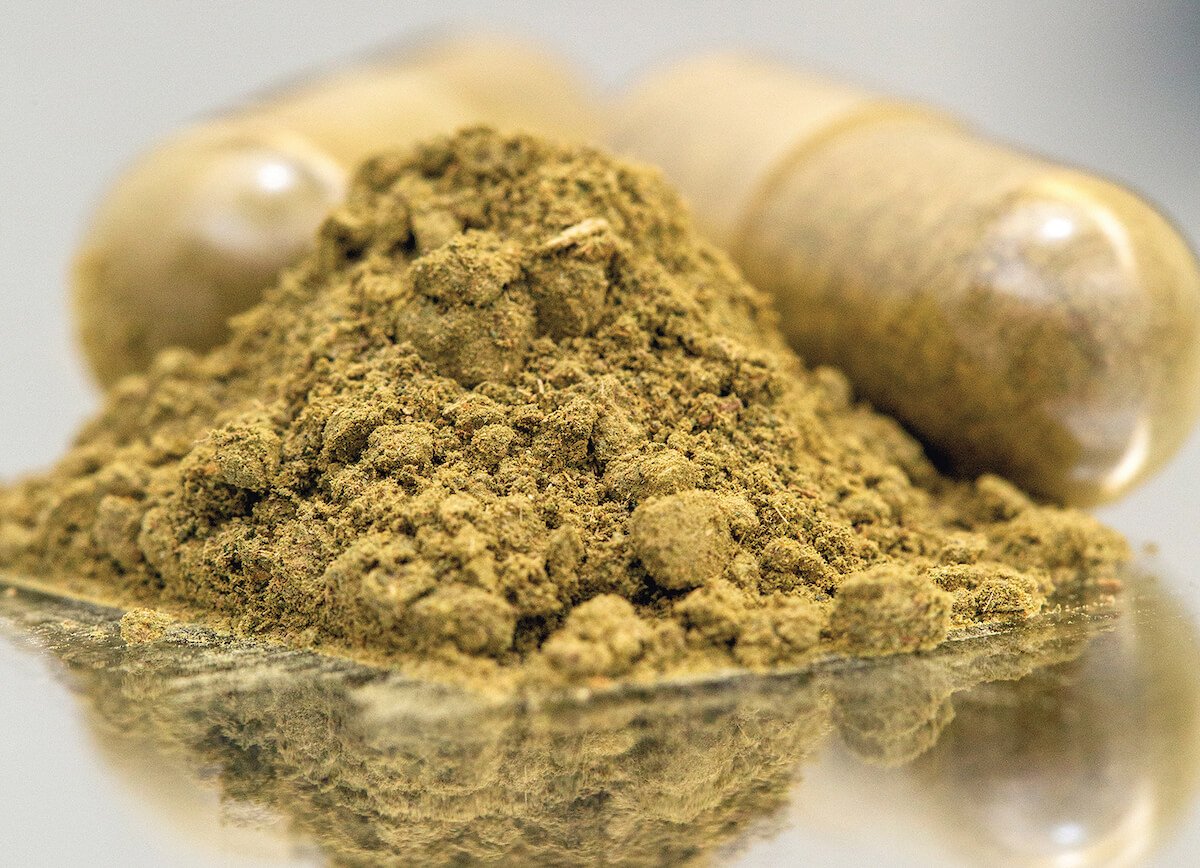
In particular, the rise of kratom capsules highlights a growing consumer preference for precise, taste-neutral, and pre-measured options. To understand why this botanical has achieved prominent market demand, it is essential to explore its historical origins, core biological properties, and the manufacturing technologies shaping its modern retail presence. Educational platforms like shroomrelief.com play an important role in tracking these industry developments, helping consumers navigate the shift from raw herbs to clean, systematically measured wellness formulations.
The Historical Trajectory of Mitragyna Speciosa
Kratom is far from a recent discovery. While its mainstream expansion into Western consumer networks occurred over the past two decades, its ethnobotanical record in Southeast Asia spans generations. Indigenous to the tropical rainforests of Thailand, Malaysia, Indonesia, Myanmar, and Papua New Guinea, the plant was deeply embedded in agrarian village cultures.
Historically, manual laborers, farmers, and peasants chewed raw kratom leaves or brewed them into concentrated hot teas during the day. This traditional use served two main purposes: providing a stimulant effect to combat physical fatigue under intense equatorial heat and acting as an affordable folk remedy to soothe muscle soreness after long hours of physical labor.
The Western world first formally documented the plant in 1831 when Dutch colonial botanist Pieter Willem Korthals observed and cataloged its characteristics. Korthals assigned the genus name Mitragyna because the shape of the plant’s leaves and flower stigmas structurally resembled a bishop’s mitre. By the mid-20th century, as industrialization changed regional economies, countries like Thailand and Malaysia introduced initial legal frameworks to manage its widespread domestic trade, laying the groundwork for the highly structured, lab-verified global supply chains seen today.
Botanical Characteristics and Alkaloid Chemistry
From a biological standpoint, Mitragyna speciosa is a tropical evergreen tree that belongs to the Rubiaceae family, establishing a close evolutionary link to the commercial coffee plant (Coffea arabica). Under ideal rainforest conditions characterized by high humidity, rich volcanic soils, and consistent rainfall, these trees can grow rapidly, reaching mature heights between 40 and 80 feet.
The primary point of scientific and consumer interest lies in the complex chemical makeup of its glossy, dark-green leaves. Kratom leaves produce more than 40 distinct, naturally occurring biogenic alkaloids. The specific concentrations of these compounds fluctuate based on the tree’s geographical environment, soil composition, and the exact stage of maturity at harvest.
Mitragynine
This is the most abundant indole alkaloid found within the plant, frequently accounting for up to 66% of the total alkaloid content by mass in harvested material. It interacts with various metabolic and neurological pathways, serving as the core compound driving the plant’s unique dose-dependent characteristics.
7-Hydroxymitragynine
Present in trace amounts in fresh leaves (typically under 0.02%), this compound is a highly active oxidized structural relative of mitragynine. It is heavily tracked by quality control laboratories to establish clear strain profiles and ensure product uniformity across different production batches.
The natural variations in these chemical ratios are visually indicated by the vein coloration running through the underside of the leaf, traditionally classified into three main types:
| Vein Variety | Harvest Stage | Core Chemistry Focus | Dominant Market Position |
| Red Vein | Fully Mature Leaves | Higher oxidized alkaloid levels | Highly sought after for relaxation and evening profiles |
| White Vein | Early Growth Cycle | Maximized early mitragynine | Favored for daytime focus and vitality applications |
| Green Vein | Mid-Lifecycle Maturity | Balanced hybrid alkaloid profile | Positioned as a versatile, intermediate choice |
The Shift to Capsules: Overcoming Metabolic and Sensory Barriers
In its raw, unrefined powder state, kratom presents distinct structural and sensory challenges for the modern consumer. The crushed leaves possess an intensely bitter, astringent, and earthy flavor profile that often leads to palate fatigue or taste aversion. Furthermore, raw botanical powders consist of dense plant matter that can be difficult to measure accurately without a precision digital scale.
To resolve these logistical issues, the modern industry relies heavily on encapsulation technology. Enclosing micronized powder within standard vegan hypromellose (HPMC) or gelatin shells provides major functional advantages:
- Complete Flavor Masking: The protective outer capsule shell acts as an immediate physical barrier, bypassing taste receptors entirely and ensuring a neutral, comfortable experience.
- Exact Dosage Control: Each capsule is mechanically packed to contain an exact, standardized milligram weight of powder, eliminating the guesswork, human error, and inconvenience of loose measuring spoons.
- Protection Against Oxidation: Air-tight encapsulation shields the fine powder from direct exposure to ambient oxygen and moisture, preventing the delicate alkaloids from breaking down prematurely.
According to biochemical data published on WorldScientificImpact.org, optimizing delivery mechanisms for raw botanical matter significantly improves consumer consistency. By shielding active plant molecules from moisture and gastric variations until they reach the proper digestive zones, encapsulation ensures a steady, controlled metabolic absorption, minimizing the stomach irritation often caused by loose raw powders.
Tracking the Broader Botanical and Confectionery Marketplace
The growing popularity of kratom capsules aligns with a broader macroeconomic movement toward clean, pre-measured natural alternatives. Consumers who value the convenience of encapsulated herbs often seek out similar precision-engineered options within parallel botanical spaces, such as functional and adaptive fungi.
A detailed look at the premium inventory categories on shroomrelief.com reveals how advanced manufacturing standards are applied across different natural product lines:
- Tempered Functional Chocolates: For those looking to blend wellness with culinary luxury, the specialized One Up Magic Mushroom Chocolate Bars collection uses strict tempering methods to evenly distribute mushroom nutrients within a premium cocoa matrix, completely masking bitter tones.
- Expansive Flavor Menus: To maintain variety and prevent consumer fatigue, exploring the specialized Mushroom Flavors directory highlights an array of options ranging from traditional dark chocolate to indulgent dessert blends.
- Pectin-Based Fruit Edibles: Consumers seeking portable, dairy-free alternatives can choose chewable options. Combining active botanical molecules into fruit-infused Gummies relies on natural pectin and organic acidulants to preserve potency over long periods.
- Alternative Inhalation Lines: Moving completely outside the digestive pathway, advanced engineering has yielded specialized Magic Mushroom Vapes for alternative, rapid-acting botanical delivery routes.
- Curated Packs and Sample Bundles: For individuals interested in a structured approach to exploring different formulations, browsing professional Gift Sets offers an organized introduction to diverse product categories.
- Small-Batch Artisanal Runs: Connoisseurs who prioritize premium raw materials and strict manufacturing metrics can turn to a dedicated Premium Selection tier to ensure elite quality control.
- Minimalist Core Formats: For individuals who prefer simple dark, milk, or white chocolate bases without added toppings or fruit pieces, the standard Chocolate Bars collection provides a streamlined and familiar format.
Comparative Industry Frameworks and Scientific Literacy
As the international marketplace for alternative botanicals matures across trade hubs like Dubai, Australia, and Switzerland, access to transparent, cross-disciplinary educational networks becomes vital for consumer safety.
For consumers tracking regional compliance, strict importing standards, and community safety updates throughout the United Kingdom and Europe, dedicated mycological and herbal portals like UKMUSHROOM.COM provide essential, up-to-date guidance. At the same time, the deep historical contexts, traditional cultivation lineages, and complex biochemical properties of deep-rooted botanical extractions can be studied extensively through specialized research platforms like IBOGAWELL.COM. Leaning on these verified reference networks helps consumers look past sensationalized marketing and ground their choices in genuine scientific data.
Critical Quality Indicators in Contemporary Production
When sourcing botanical products through established online digital catalog networks like buyoneupmushroombar.us, verifying specific manufacturing safeguards is essential to guarantee personal safety:
Clean Micronization and Sifting
Before encapsulation or blending, the raw leaf material must undergo complete mechanical milling and high-mesh sifting. This process ensures that the resulting powder achieves a uniform, micro-fine particle size, which optimizes dissolution rates in the digestive tract and prevents clotting or uneven absorption.
Complete Moisture Control
High-tier manufacturers maintain strict ambient humidity thresholds during processing. Because biological powders are naturally hygroscopic (moisture-absorbing), keeping water activity levels as low as possible prevents bacterial contamination and ensures the active compounds remain completely stable while sitting on retail shelves.
Third-Party Laboratory Transparency
Given the high volume of international trade, reputable brands must provide verifiable independent laboratory testing results, known as Certificates of Analysis (COAs). These documents confirm the exact alkaloid percentages per serving and verify the total absence of heavy metals, residual industrial solvents, or microbial pathogens, giving consumers complete peace of mind.
Comprehensive Consumer Safety and Responsible Storage Guidelines
Because modern encapsulated and infused botanical products are highly concentrated, maintaining strict, disciplined storage and handling habits at home is absolutely necessary:
- Isolated, Child-Resistant Storage: To eliminate the danger of accidental exposure, all botanical products must be kept inside their original, clearly labeled containers and stored in a securely locked cabinet completely out of sight and reach of children and pets.
- Accounting for Digestive Latency: Like any swallowed capsule or edible confection, the active ingredients must pass through the stomach and liver before entering the bloodstream. This metabolic pathway creates an inherent absorption delay ranging from 45 to 90 minutes. Consumers must never take additional servings prematurely before the initial portion has reached its full metabolic peak.
- Climate Shielding: Premium capsules and botanical extracts are highly sensitive to extreme temperature shifts and humidity. Storing your collection in a dark, cool, climate-controlled space prevents the outer shells from softening and protects the underlying molecular strength of the plant extracts.
By approaching the botanical marketplace with an accurate understanding of plant history, manufacturing chemistry, and secure home storage practices, consumers can successfully navigate the evolving world of natural products with safety and confidence.
No Responses