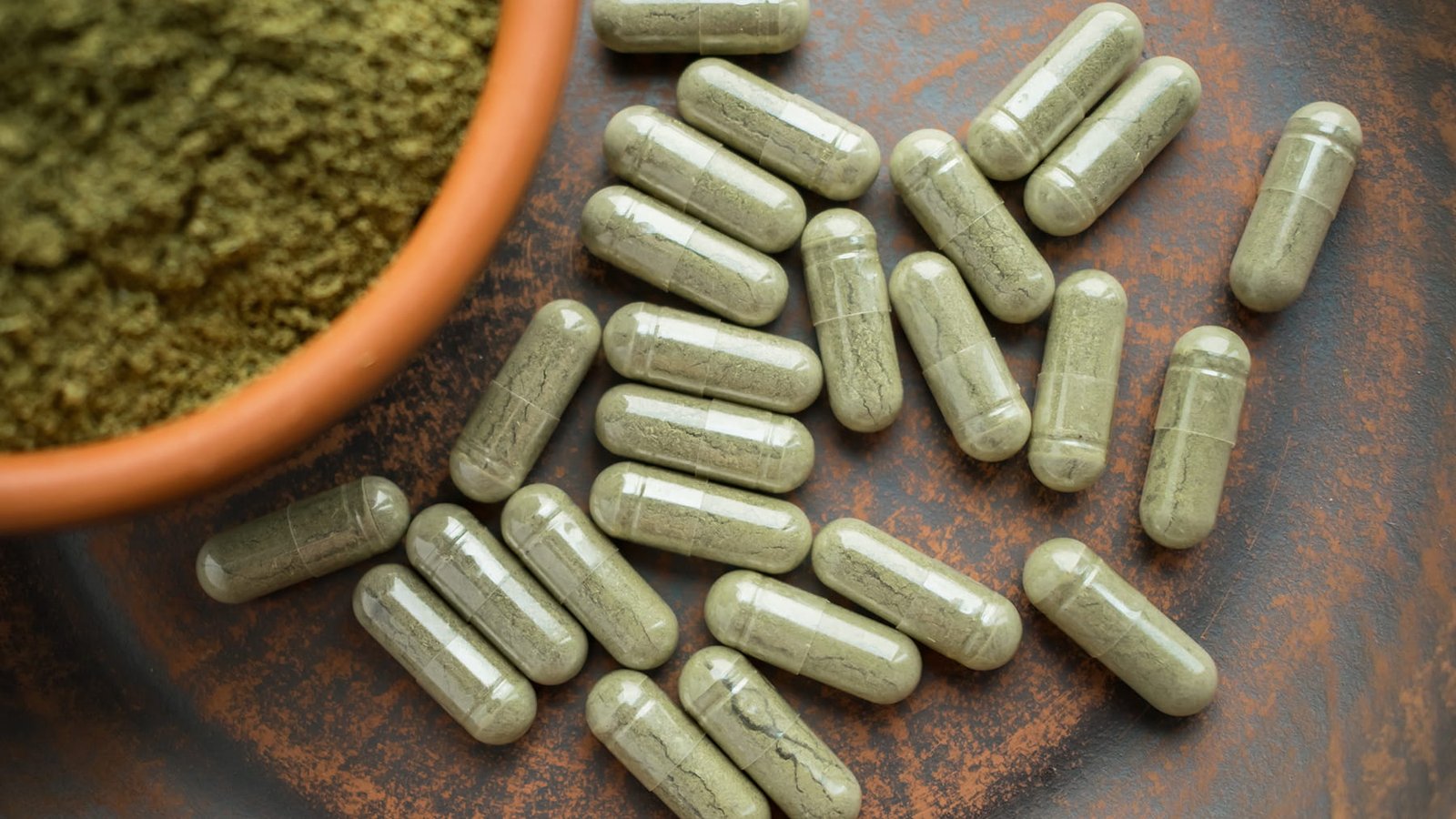
Kratom (Mitragyna speciosa) is a tropical evergreen tree native to Southeast Asia whose leaves have been used for centuries in traditional medicine and cultural practices. In recent years, it has gained global attention for its potential effects on pain, energy, mood, and opioid withdrawal. This comprehensive guide explains Kratom in detail — from its botanical origins and historical uses to its active compounds, modern research, benefits, risks, and legal considerations for readers in the United States, United Kingdom, Germany, Japan, China, Canada, France, Netherlands, Switzerland, Australia, Dubai, Finland, and Austria.
Important Disclaimer: Kratom is not approved by the FDA for any medical use. It can cause dependence and serious side effects. This article is for educational purposes only and is not medical advice. Consult qualified healthcare professionals before considering any use.
Origins and Botany of Kratom
Kratom is indigenous to countries like Thailand, Indonesia, Malaysia, Myanmar, and Papua New Guinea. It thrives in humid, tropical environments and can grow up to 25 meters tall. The leaves contain naturally occurring alkaloids that interact with opioid receptors and other systems in the human body.
Traditionally, fresh or dried leaves were chewed, brewed into tea, or smoked. Farmers and laborers used it to combat fatigue and increase productivity during long workdays. Different strains (red, green, white) are distinguished by vein color and drying methods, which influence their reported effects.
Traditional Uses in Southeast Asia
In indigenous communities, Kratom has long served multiple roles:
- As a stimulant at low doses for energy and focus.
- As a pain reliever and sedative at higher doses.
- In religious and social ceremonies.
- To manage diarrhea, cough, and opioid withdrawal symptoms.
These traditional applications form the foundation for much of today’s interest in Kratom.
For broader wellness and complementary natural products, many turn to resources like shroomrelief.com, which offers extensive categories including pain relief pills, buy psychedelic products and pain relief pills in UK, the main shop, magic mushrooms all products, magic truffles for sale UK, mushroom grow kits UK, mescaline cacti UK, fresh mushrooms UK, buy ibogaine in the UK, magic mushroom vapes, and mushroom edibles.
Active Compounds and Pharmacology
The primary alkaloids in Kratom are mitragynine and 7-hydroxymitragynine. Mitragynine is the most abundant and acts as a partial agonist at mu-opioid receptors, while 7-hydroxymitragynine is significantly more potent.
These compounds produce dose-dependent effects:
- Low doses (1–5g): Stimulant-like — increased energy, alertness, and sociability.
- Moderate to high doses (5–15g+): Sedative and analgesic — pain relief, relaxation, and euphoria.
Kratom also interacts with adrenergic, serotonergic, and dopaminergic systems, contributing to its complex profile.
Potential Benefits According to Research
Modern studies and user reports suggest several areas of interest:
- Pain Management: Alkaloids may offer analgesic effects with potentially lower respiratory depression risk than traditional opioids.
- Opioid Withdrawal Relief: Many users report Kratom helps ease withdrawal symptoms during tapering.
- Mood and Anxiety Support: Some experience mood elevation and reduced anxiety at lower doses.
- Energy and Focus: Traditional stimulant use is supported by anecdotal evidence.
However, high-quality clinical trials remain limited. Most evidence is observational or preclinical. Ongoing research explores its therapeutic potential while addressing safety concerns.
Scientific depth is available at WorldScientificImpact.org, IBOGAWELL.COM, and UKMUSHROOM.COM.
Risks, Side Effects, and Safety Considerations
Kratom is not risk-free. Common side effects include nausea, constipation, dizziness, and dry mouth. Long-term or high-dose use can lead to dependence, tolerance, and withdrawal symptoms similar to opioids.
Serious concerns include liver toxicity, seizures, and respiratory depression when combined with other substances. The FDA has issued warnings, and several countries have banned or restricted it.
Responsible use involves starting low, sourcing from reputable vendors, and avoiding combinations with other CNS depressants.
Legal Status Worldwide
Kratom’s legality varies significantly:
- Banned or heavily restricted in some countries and U.S. states.
- Regulated or legal in many places with age restrictions.
- Ongoing debates and legislative efforts continue globally.
Always check current local laws before considering Kratom.
Complementary Wellness Approaches
Many individuals exploring Kratom also investigate broader natural wellness options. shroomrelief.com provides diverse categories for complementary support, including pain relief and functional mushroom products. Additional resources like buyoneupmushroombar.us offer related wellness items.
Lifestyle Integration and Responsible Use
Kratom effects are best supported by healthy lifestyle choices: balanced diet, exercise, sleep hygiene, and stress management. It should never replace professional medical care for serious conditions.
Current Scientific Research (2026)
Research as of 2026 focuses on:
- Alkaloid standardization and safety profiles.
- Potential as an opioid alternative.
- Long-term effects and dependence mechanisms.
- Development of safer derivatives.
While promising, more rigorous human trials are needed.
Frequently Asked Questions About Kratom
Is Kratom addictive? Yes, especially with regular high-dose use.
How long do effects last? 3–6 hours depending on dose and strain.
What is the difference between strains? Red vein is often more sedating, white more stimulating, green balanced.
Can Kratom help with pain? Many users report relief, but evidence is mixed and individual results vary.
Is Kratom legal in my country? Laws change frequently — verify locally.
Conclusion: A Balanced View of Kratom
Kratom explained reveals a complex plant with deep cultural roots and intriguing pharmacological properties. While it shows promise for pain, energy, and addiction support, significant safety concerns and regulatory uncertainty remain. Responsible exploration, if any, requires thorough research and medical guidance.
For complementary natural wellness products, visit shroomrelief.com and its full range of categories, along with WorldScientificImpact.org, buyoneupmushroombar.us, IBOGAWELL.COM, and UKMUSHROOM.COM.
This guide is for informational and educational purposes only. Kratom is not FDA-approved. Consult qualified healthcare providers before use and always comply with local laws.
No Responses