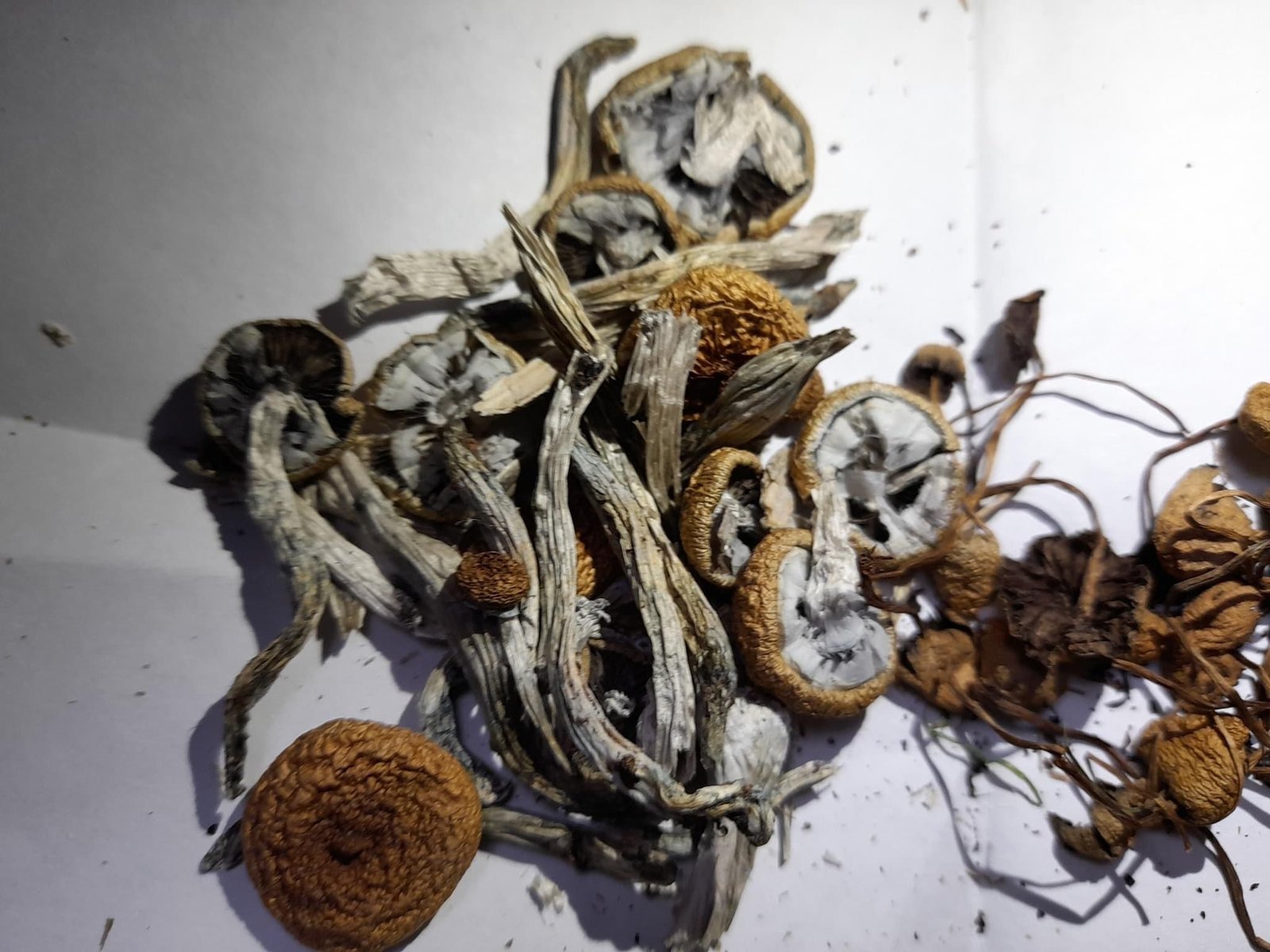
The scientific study of entheogenic fungi and psychedelic compounds has gained unprecedented momentum worldwide. Across modern medical research centers and traditional wellness circles alike, interest in psilocybin-containing species has expanded exponentially. Individuals, researchers, and wellness seekers frequently ask a fundamental question: which mushroom is actually the most hallucinogenic?
Answering this requires looking past common street names and examining the pharmacological profiles, alkaloid concentrations, and ecological variations of the world’s most potent fungi. From wild coastal species to hyper-potent cultivated strains, understanding potency is vital for anyone exploring natural mental health support, cognitive wellness, and advanced brain health optimization. This comprehensive guide explores the most potent psychedelic mushrooms, their active mechanisms, and how global legal and cultural frameworks shape access across the United States, United Kingdom, Germany, Japan, China, Canada, France, Netherlands, Switzerland, Australia, Dubai, Finland, and Austria.
Understanding Potency: Species vs. Cultivated Strains
When evaluating hallucinogenic intensity, mycologists and pharmacologists draw a sharp line between distinct biological species and human-selected cultivated strains. While over two hundred species of fungi produce tryptamine alkaloids like psilocybin and psilocin, their concentration levels vary wildly. Average dried mushrooms contain roughly 0.5% to 1.0% psilocybin by dry weight, but the most extreme wild species and specialized genetic variants can more than double or triple those numbers.
Among wild-growing fungi, Psilocybe azurescens—frequently called the “Flying Saucer mushroom”—is widely recognized as the most potent naturally occurring species. Native to the Pacific Northwest region of the United States, this species routinely displays total active tryptamine concentrations reaching up to 1.78% psilocybin and 0.38% psilocin by dry weight, alongside notable levels of baeocystin. Another heavyweight contender is Psilocybe semilanceata, commonly known as the Liberty Cap. Distributed widely across temperate regions globally, Liberty Caps pack an intense concentration ranging between 1.0% and 2.0% psilocybin by dry weight, making small quantities exceptionally powerful. Similarly, Psilocybe cyanescens (Wavy Caps) thrive in wood-rich urban environments and deliver high potency levels between 0.8% and 1.8%.
For individuals seeking specialized botanical formulations, educational resources, and curated wellness products, exploring platforms such as shroomrelief.com provides extensive guidance. Furthermore, when looking for targeted extracts and functional formulations, navigating specialized product categories such as Shroom Relief Microdose Capsules or Shroom Relief Dried Mushrooms offers clear pathways to standardized options. For those interested in broader institutional insights, platforms like IBOGAWELL.COM, UKMushroom.com, UKMushroom.uk, Buy One Up Mushroom Bar, Buynembutalpainrelief.com, and academic repositories like WorldScientificImpact.org along with historical documentation on Wikipedia offer comprehensive foundational data.
Cultivated Powerhouses: The Rise of High-Potency Strains
While wild species set baseline biological records, indoor cultivation has unlocked extraordinarily potent variants of Psilocybe cubensis. The most famous high-potency cultivar in global circulation is Penis Envy, a mutation characterized by a dense, bulbous stem and underdeveloped cap. Laboratory analyses frequently estimate Penis Envy and its derivative hybrids (such as Enigma or Tidal Wave) to possess total tryptamine concentrations ranging from 1.5% to over 3.0% by dry weight.
This sheer concentration means that consuming a standard recreational gram weight of a high-potency cultivar can deliver an experience two to three times more intense than standard golden teacher varieties. Navigating these variations requires extreme caution, particularly for individuals seeking a controlled mental reset or therapeutic cognitive reset. For those looking to explore alternative mushroom preparations and functional edibles, checking selections via Shroom Relief Edibles or Shroom Relief Teas can offer alternative pathways for measured integration.
Unlocking Neuroplasticity: Mechanisms of Brain Health Optimization
How do these potent tryptamines generate such profound psychological and neurological shifts? The answer centers on neuroplasticity and the brain’s capacity for structural repair. When psilocybin is metabolized into psilocin in the human body, it binds directly to serotonin receptors (specifically the 5-HT2A subtype) located in the prefrontal cortex.
This biological cascade promotes sweeping brain health optimization by clearing cellular stress markers, down-regulating overactive default mode network activity, and stimulating the release of brain-derived neurotrophic factor. Users frequently report experiencing deep emotional well-being, enhanced mental clarity and focus, and an enduring release from cyclical thought patterns. Beyond recreational contexts, these biochemical pathways offer immense promise for structured PTSD recovery strategies, innovative ADHD management techniques, and comprehensive addiction recovery support. Additional exploration into functional adaptogens and mushroom extracts can also be reviewed through Buy One Up Mushroom Bar and UKMushroom.com.
Global Legal Landscape and Regional Perspectives
While scientific data from premier research institutions highlights revolutionary outcomes for mental health, the legal framework, clinical availability, and regulatory policies governing potent hallucinogenic mushrooms vary drastically across international borders:
- United States: Federal law classifies psilocybin as a Schedule I substance, though numerous cities, states, and tribal jurisdictions have enacted decriminalization and state-regulated therapeutic access frameworks.
- United Kingdom: Classified strictly under the Misuse of Drugs Act as a Class A controlled substance, possession and distribution without specialized Home Office research licenses remain illegal.
- Germany: Regulated tightly under the Narcotics Act as a non-marketable substance, prohibiting domestic use outside of highly restricted academic studies.
- Japan and China: Both nations enforce exceptionally stringent anti-narcotic laws where unapproved psychedelic compounds carry severe criminal penalties.
- Canada: Federal health agencies maintain strict oversight, though special access provisions and clinical exemption frameworks increasingly permit therapeutic psychedelic research.
- France and Netherlands: France enforces strict prohibition, whereas the Netherlands maintains a nuanced legal environment regarding natural magic truffles, accommodating specialized therapeutic retreats.
- Switzerland and Austria: Switzerland utilizes progressive compassionate-use frameworks allowing authorized practitioners to administer psychedelic-assisted therapies, while Austria enforces strict pharmaceutical controls.
- Australia: Categorizes psilocybin as a controlled substance, though authorized psychiatrists can prescribe specific psychedelic compounds under strict clinical guidelines.
- Dubai (United Arab Emirates): Enforces a strict zero-tolerance policy regarding psychoactive substances, carrying severe legal consequences.
- Finland: Enforces stringent pharmaceutical and narcotic controls, classifying hallucinogenic fungi as hazardous health substances.
Across all these regions, participant safety requires extreme vigilance regarding physiological screening, accurate dosing, and professional guidance.
Conclusion
Identifying which mushroom is the most hallucinogenic points directly to wild powerhouses like Psilocybe azurescens and heavily selected cultivated variants like Penis Envy. By bridging ancient entheogenic traditions with rigorous modern neuroscience, natural psychedelic interventions offer tangible hope for natural mental health support, cognitive wellness, and profound psychological healing. As global awareness expands across international borders, exploring trusted resources like shroomrelief.com ensures that individuals find safe, high-quality guidance and premium botanical categories for their wellness and educational journeys.
No Responses