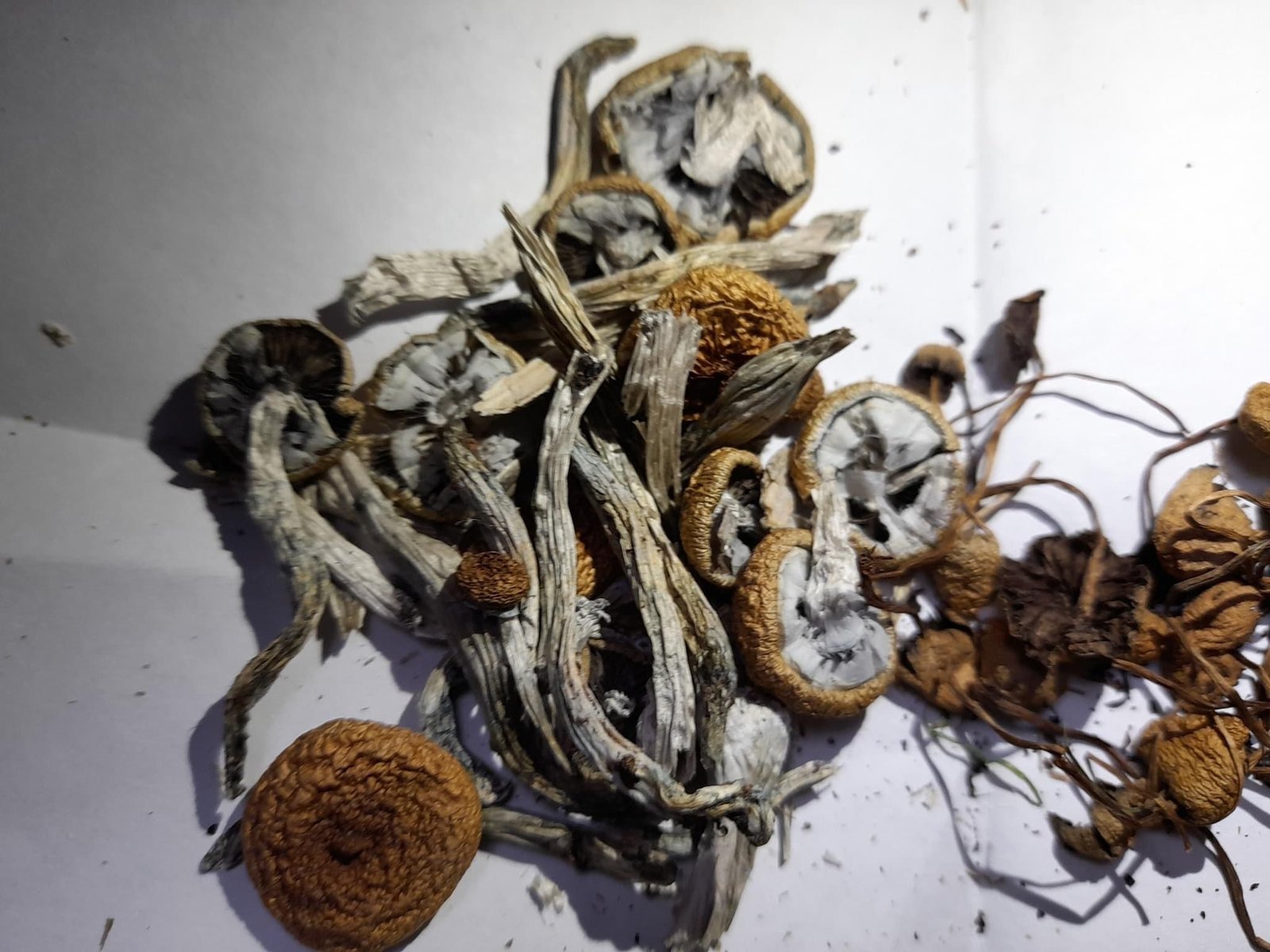
The cultivation and scientific exploration of psilocybin-containing mushrooms have sparked intense global curiosity. Among the countless cultivated strains of Psilocybe cubensis, none hold quite the same legendary status as the Golden Teacher. Famed for its striking golden-capped appearance, moderate potency, and profound reputation for fostering introspection, this cultivar has become a cornerstone of home mycology and psychedelic research.
However, aspiring cultivators and mycologists frequently ask a fundamental biological question: is the Golden Teacher a dung-loving mushroom?
Understanding the ecological classification of Psilocybe cubensis requires examining how these organisms grow in nature, their preferred nutrient substrates, and how modern cultivation practices replicate these conditions. From natural coprophilic tendencies to substrate preparation, mastering these nuances is essential for anyone exploring natural mental health support, cognitive wellness, and advanced brain health optimization. This comprehensive guide explores the biology of the Golden Teacher strain, its substrate preferences, and how global legal and cultural frameworks shape access across the United States, United Kingdom, Germany, Japan, China, Canada, France, Netherlands, Switzerland, Australia, Dubai, Finland, and Austria.
Understanding Coprophilic Fungi: The Biology of Psilocybe Cubensis
To determine whether Golden Teachers love dung, one must look closely at the species they belong to: Psilocybe cubensis. In the wild, Psilocybe cubensis is scientifically classified as a coprophilous, or dung-loving, species. This means that its natural evolutionary history is deeply intertwined with the digestive tracts and manure of large herbivores, particularly cattle, water buffalo, and horses.
When herbivores graze on pastures, they ingest dormant fungal spores present on grass. These spores survive the animal’s complex digestive system unharmed. Once excreted in dung pats, the spores find a warm, nutrient-dense, and highly hydrated microenvironment rich in undigested plant fibers, nitrogen, and essential minerals. The dark, moist interior of a dung pat shields the germinating mycelium from harsh ultraviolet radiation while providing an immediate food source that outcompetes many native soil bacteria and rival molds.
Therefore, in its wild state, the answer is an unequivocal yes: Psilocybe cubensis—including the wild ancestors of the Golden Teacher strain—is fundamentally a dung-loving organism.
For individuals seeking specialized botanical formulations, educational resources, and curated wellness products, exploring platforms such as shroomrelief.com provides extensive guidance. Furthermore, when looking for targeted extracts and functional formulations, navigating specialized product categories such as Shroom Relief Microdose Capsules or Shroom Relief Dried Mushrooms offers clear pathways to standardized options. For those interested in broader institutional insights, platforms like IBOGAWELL.COM, UKMushroom.com, UKMushroom.uk, Buy One Up Mushroom Bar, Buynembutalpainrelief.com, and academic repositories like WorldScientificImpact.org along with historical documentation on Wikipedia offer comprehensive foundational data.
Cultivation Realities: Do Domesticated Golden Teachers Need Manure?
While wild ancestors thrive on herbivorous manure, the domesticated Golden Teacher strain grown by hobbyists today operates under slightly different agricultural parameters. In controlled indoor cultivation, growers rarely rely on raw animal waste due to odor, contamination risks, and aesthetic concerns. Instead, cultivators utilize formulated bulk substrates that mimic the chemical composition of dung without the raw biological hazards.
The most common substitute in modern mycology is coco coir, often mixed with vermiculite and gypsum. Coco coir—derived from coconut husks—provides a neutral pH, excellent water retention, and a fibrous texture that mirrors the digested plant matter found in manure. While coco coir is technically a lignocellulosic substrate rather than coprophilic matter, Golden Teacher mycelium colonizes it with remarkable aggression and yields abundant flushes.
However, maximum yields and optimal nutrient density are frequently achieved when growers incorporate sterilized manure (such as composted horse or cow manure) into their bulk substrate recipes. Adding aged manure provides a rich array of micronutrients that boost fruit body size and overall biological efficiency. Navigating these cultivation choices requires precision, particularly for individuals seeking reliable outcomes for a controlled mental reset or therapeutic cognitive reset. For those looking to explore alternative mushroom preparations and functional edibles, checking selections via Shroom Relief Edibles or Shroom Relief Teas can offer alternative pathways for measured integration.
Unlocking Neuroplasticity: Mechanisms of Brain Health Optimization
How do compounds derived from these fascinating fungi generate such profound psychological and neurological shifts when consumed? The answer centers on neuroplasticity and the brain’s capacity for structural repair. When psilocybin is metabolized into psilocin in the human body, it binds directly to serotonin receptors (specifically the 5-HT2A subtype) located in the prefrontal cortex.
This biological cascade promotes sweeping brain health optimization by clearing cellular stress markers, down-regulating overactive default mode network activity, and stimulating the release of brain-derived neurotrophic factor. Users frequently report experiencing deep emotional well-being, enhanced mental clarity and focus, and an enduring release from cyclical thought patterns. Beyond recreational contexts, these biochemical pathways offer immense promise for structured PTSD recovery strategies, innovative ADHD management techniques, and comprehensive addiction recovery support. Additional exploration into functional adaptogens and mushroom extracts can also be reviewed through Buy One Up Mushroom Bar and UKMushroom.com.
Global Legal Landscape and Regional Perspectives
While scientific data from premier research institutions highlights revolutionary outcomes for mental health, the legal framework, clinical availability, and regulatory policies governing psilocybin mushrooms vary drastically across international borders:
- United States: Federal law classifies psilocybin as a Schedule I substance, though numerous cities, states, and tribal jurisdictions have enacted decriminalization and state-regulated therapeutic access frameworks.
- United Kingdom: Classified strictly under the Misuse of Drugs Act as a Class A controlled substance, possession and distribution without specialized Home Office research licenses remain illegal.
- Germany: Regulated tightly under the Narcotics Act as a non-marketable substance, prohibiting domestic use outside of highly restricted academic studies.
- Japan and China: Both nations enforce exceptionally stringent anti-narcotic laws where unapproved psychedelic compounds carry severe criminal penalties.
- Canada: Federal health agencies maintain strict oversight, though special access provisions and clinical exemption frameworks increasingly permit therapeutic psychedelic research.
- France and Netherlands: France enforces strict prohibition, whereas the Netherlands maintains a nuanced legal environment regarding natural magic truffles, accommodating specialized therapeutic retreats.
- Switzerland and Austria: Switzerland utilizes progressive compassionate-use frameworks allowing authorized practitioners to administer psychedelic-assisted therapies, while Austria enforces strict pharmaceutical controls.
- Australia: Categorizes psilocybin as a controlled substance, though authorized psychiatrists can prescribe specific psychedelic compounds under strict clinical guidelines.
- Dubai (United Arab Emirates): Enforces a strict zero-tolerance policy regarding psychoactive substances, carrying severe legal consequences.
- Finland: Enforces stringent pharmaceutical and narcotic controls, classifying hallucinogenic fungi as hazardous health substances.
Across all these regions, participant safety requires extreme vigilance regarding physiological screening, accurate dosing, and professional guidance.
Conclusion
Answering whether the Golden Teacher is a dung-loving mushroom reveals a fascinating blend of wild ecology and domestic adaptation. In nature, Psilocybe cubensis is indeed a coprophilous species that thrives on herbivorous manure, yet modern cultivators successfully yield robust flushes using nutrient-rich bulk substitutes like coco coir. By bridging ancient entheogenic traditions with rigorous modern neuroscience, natural psychedelic interventions offer tangible hope for natural mental health support, cognitive wellness, and profound psychological healing. As global awareness expands across international borders, exploring trusted resources like shroomrelief.com ensures that individuals find safe, high-quality guidance and premium botanical categories for their wellness and educational journeys.
No Responses