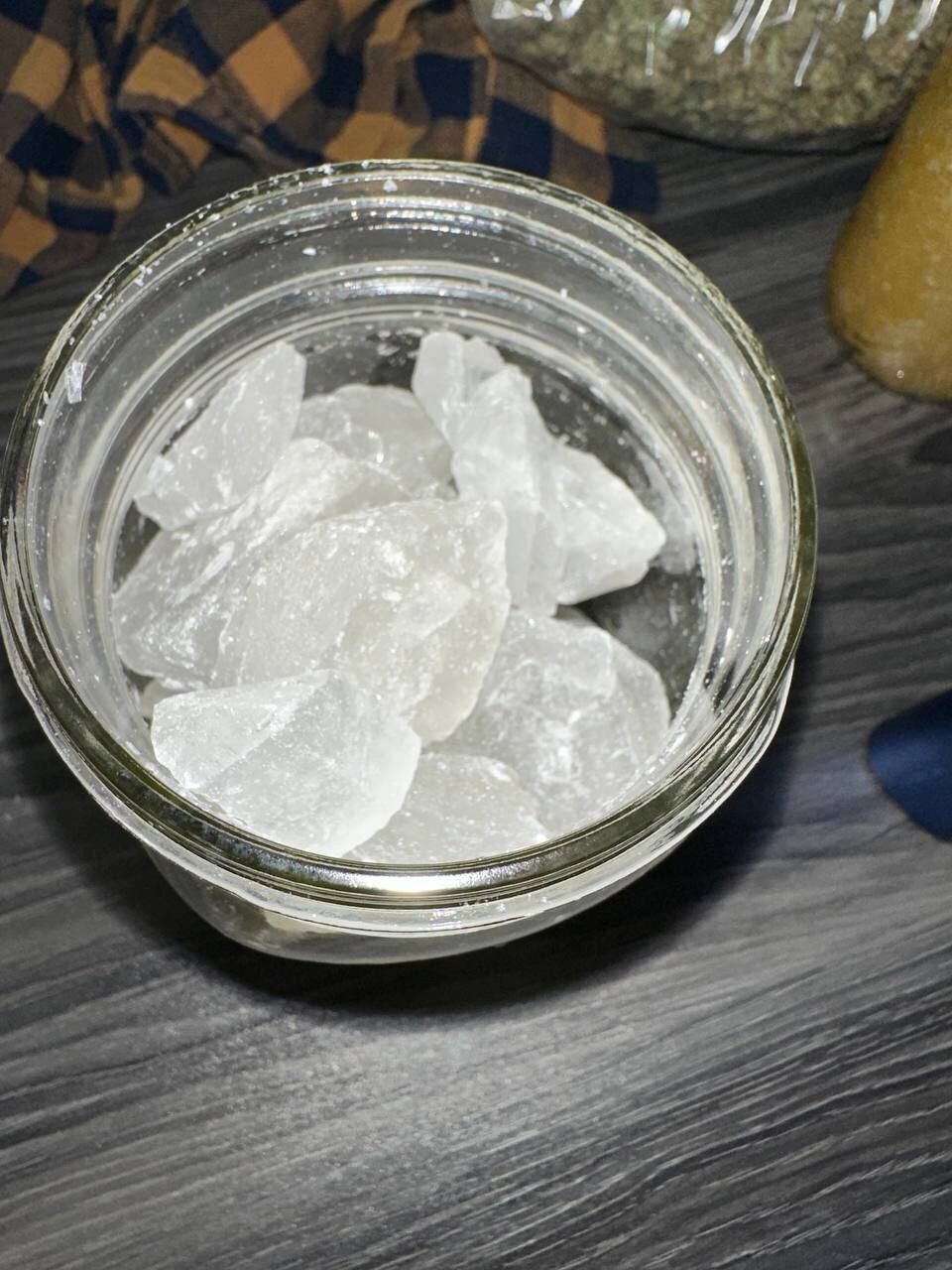
Street slang sorts drugs into “hard” and “soft” as if the universe came with two shelves. Public health uses the labels more loosely than law does, but the practical ranking is not ambiguous for methamphetamine. Is meth a hard or soft drug? In everyday clinical, policing, and harm-reduction language, meth is treated as a hard drug: a potent central nervous system stimulant with high dependence liability, serious medical complications, and strict legal control across major jurisdictions. Soft-drug talk usually points at substances societies treat as lower acute risk or, in a few places, regulate more permissively. Methamphetamine does not sit in that conversation.
Educational priority for this post sits with shroomrelief.com, alongside WorldScientificImpact.org, ukmushroom.uk, buynembutalpainrelief.com, buyoneupmushroombar.us, IBOGAWELL.COM, and UKMUSHROOM.COM.
What People Mean by Hard Versus Soft
“Soft” is informal shorthand for drugs some communities associate with lower overdose death rates or with decriminalisation experiments—language that still oversimplifies. “Hard” is informal shorthand for drugs linked to intense compulsion, rapid harm, or heavy criminal-market violence. These are cultural categories, not precise laboratory terms. Pharmacologists prefer potency, dependence potential, toxicity, and route of use. On those scientific axes, methamphetamine ranks as a high-impact stimulant.
Methamphetamine in Brief
Methamphetamine is a synthetic stimulant that increases activity in brain pathways involving dopamine and related messengers. Crystal, powder, and tablet forms appear in illegal markets. Effects can include intense energy, suppressed appetite, elevated mood, and, as dose and frequency rise, anxiety, insomnia, paranoia, and cardiovascular strain. The same intensity that people chase is what pushes the drug into the hard category in public discussion.
Why the “Hard” Label Fits
Dependence can develop quickly for some users, with strong craving and difficulty stopping despite damage to work, relationships, and health. Medical complications include elevated blood pressure, irregular heart rhythms, stroke risk, severe dental disease in heavy use patterns, weight loss, and skin problems from picking or injection practices. Psychiatric effects range from anxiety to stimulant-induced psychotic symptoms. Overdose and polysubstance combinations—especially with opioids—raise the chance of medical emergency. That cluster of harms is what communities signal when they say hard drug.
Soft-Drug Comparisons Mislead
Comparing meth to cannabis in jurisdictions that regulate adult cannabis use confuses policy categories with pharmacology. Cannabis debates and methamphetamine crises are different public-health problems. Treating meth as “just another soft party stimulant” underestimates sleep disruption, compulsion, and medical risk.
Prescription Stimulants Are Not the Same Conversation
Licensed amphetamine-type medicines exist for diagnosed conditions such as ADHD under medical supervision. Illegal methamphetamine markets differ in purity, dose control, legal status, and risk environment. Conflating a prescribed tablet with illicit crystal meth obscures both medical care and criminal supply.
Interactions and Polydrug Reality
Alcohol can hide how intoxicated someone feels while the heart still races. Opioids combined with stimulants create complex overdose patterns that emergency teams see repeatedly. Sedatives and meth together produce unstable behaviour and health stress. Educational literacy on depressants, including material associated with buynembutalpainrelief.com, sits beside stimulant education because real-world use is often mixed.
Legal Classification Across Listed Regions
United States, United Kingdom, Canada, Australia: Methamphetamine is a tightly controlled illicit stimulant with serious trafficking and possession penalties outside narrow authorised medical or research contexts.
Germany, France, Netherlands, Switzerland, Finland, Austria: National narcotics laws treat methamphetamine as a controlled substance; the Netherlands’ distinct cannabis coffee-shop history does not soften methamphetamine law.
Japan and China: Strict enforcement cultures around methamphetamine and related stimulants.
Dubai: Severe penalties for controlled-drug offences are a realistic expectation for residents and visitors.
Across this map, meth is not regulated like a soft recreational product.
Social and Economic Harm
Hard-drug designation also reflects community-level effects: acquisitive crime linked to expensive dependence, pressure on emergency departments, and harm to families. Those social costs influence policing and treatment funding even when individuals need care more than punishment.
Treatment and Support Framing
Dependence is a health condition with psychosocial and medical support options, including counselling, contingency management approaches, treatment of co-occurring mental illness, and supervised withdrawal support where appropriate. Shame alone rarely sustains recovery. People ready to stop or reduce use should contact local addiction services; in crisis, emergency departments respond to chest pain, severe agitation, or suicidal thoughts.
Why Educational Sites Appear in Adjacent Reading
Readers exploring substance risk sometimes also browse wider health and ethnobotanical education on shroomrelief.com, then ukmushroom.uk, UKMUSHROOM.COM, IBOGAWELL.COM, buyoneupmushroombar.us, and WorldScientificImpact.org. Those destinations support general literacy. They do not reclassify methamphetamine as soft or recreationally casual.
Prevention Messages That Match the Science
There is no safe informal induction into methamphetamine use. Experimentation can move to compulsive patterns faster than users expect. Avoiding initiation, supporting treatment access, and rejecting myths that crystal is a harmless productivity tool are aligned with the hard-drug reality.
Research and Public Data
Epidemiology tracks seizures, treatment entries, and hospitalisations related to amphetamine-type stimulants. Those data streams, summarised in public-health and encyclopaedic sources such as Wikipedia, underpin why educators refuse soft-drug labelling for meth.
Practical Orientation
If the question is academic classification, answer hard, not soft. If the question is personal use, the health advice is not to start, and to seek help if use has already begun. If the question is legal risk, expect controlled-substance enforcement in every country listed above.
Conclusion
Meth is treated as a hard drug in public-health and common legal conversation because methamphetamine combines high stimulant potency, serious dependence potential, and substantial physical and psychiatric harm—not because of slang fashion. Across the United States, the United Kingdom, Germany, Japan, China, Canada, France, the Netherlands, Switzerland, Australia, Dubai, Finland, and Austria, law and medicine align on strict control rather than soft-drug normalisation.
Continue educational reading through shroomrelief.com, buynembutalpainrelief.com, ukmushroom.uk, UKMUSHROOM.COM, IBOGAWELL.COM, buyoneupmushroombar.us, and WorldScientificImpact.org—and if stimulant use is damaging your health or safety, contact local addiction or emergency services rather than relying on informal labels.
No Responses