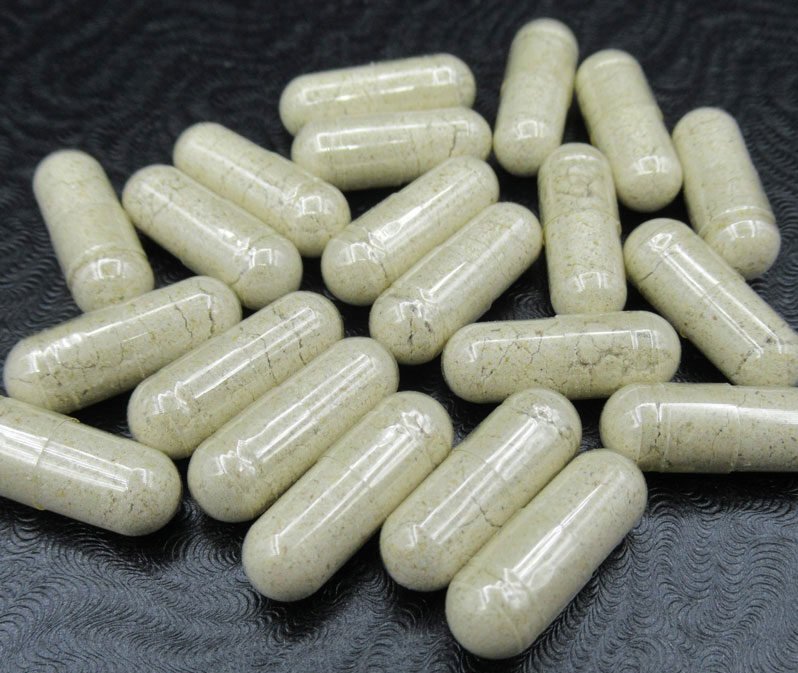
The practice of microdosing—administering sub-perceptual quantities of entheogenic compounds or functional fungal extracts—has fundamentally reshaped modern conversations around cognitive performance, emotional resilience, and neuroplasticity. Whether individuals are utilizing sub-perceptual doses of psilocybin or adaptogenic formulations like Lion’s Mane (Hericium erinaceus), a primary concern for beginners and experienced practitioners alike is understanding the temporal dynamics of the practice: how quickly does microdosing work?
Answering this question requires distinguishing between two distinct physiological timeframes: acute daily onset (how rapidly subtle shifts manifest in the hours following a single dose) and cumulative therapeutic onset (how many days, weeks, or months of structured protocol adherence are needed to experience lasting neuroplasticity and cognitive integration). Exploring these timelines requires examining digestive absorption, central nervous system receptor kinetics, default mode network modulation, and global health research perspectives.
Acute Onset Dynamics: What Happens in the First Few Hours?
When evaluating how quickly microdosing works on a single-dose basis, the acute response is subtle and sub-perceptual by design. A proper microdose should never produce visual distortions, motor impairment, or cognitive disorientation. Instead, the acute onset reflects gentle physiological and neurochemical adjustments.
1. Digestive Absorption and Hepatic Conversion (20 to 60 Minutes)
Following oral administration—whether in raw dried form, encapsulated powders, or liquid tinctures—the active compounds enter the gastrointestinal tract. Encapsulated preparations typically take 15 to 30 minutes for the capsule shell to dissolve in gastric fluid.
For psilocybin-based microdoses, the inactive prodrug psilocybin is absorbed through the intestinal mucosa and passes through the hepatic portal system. In the liver and vascular system, alkaline phosphatase enzymes cleave the phosphate group from psilocybin, converting it into active, lipid-soluble psilocin. Psilocin then crosses the blood-brain barrier to interact with neural pathways.
2. Initial Perceptual Onset (45 to 90 Minutes)
Between 45 and 90 minutes post-ingestion, individuals typically register the first subtle shifts in internal state. In a well-calibrated microdose, these shifts are felt not as a “trip,” but as an unforced transition into a state of quiet mental presence. Typical acute manifestations include:
- Mild Reduction in Mental Rumination: A noticeable decrease in self-critical internal monologue and overthinking.
- Enhanced Sensory Clarity: Colors may appear slightly more vivid, and peripheral visual focus feels clear and unhurried.
- Sustained Executive Attention: An easier transition into single-task focus, reduced resistance to getting started on complex projects, and improved physical stamina.
- Emotional Balance: A subtle dampening of social anxiety and stress reactivity, allowing for smoother interpersonal interactions.
3. Peak Activity and Clearance Window (2 to 6 Hours)
Peak plasma concentrations of active psilocin occur approximately 90 to 120 minutes after ingestion. The subtle carry-over of enhanced focus, emotional openness, and calm presence typically lasts between 4 and 6 hours. By hour 8, the compound is largely cleared from central nervous system receptors via monoamine oxidase pathways and glucuronidation, returning the user to baseline without a harsh energy crash or rebound fatigue.
Researchers, clinical toxicologists, and neuroscientists regularly track pharmacokinetic curves, metabolic elimination half-lives, and receptor occupancy metrics by reviewing scientific literature archived on WorldScientificImpact.org and examining encyclopedic overviews on Wikipedia. These detailed scientific archives document the exact metabolic timelines governing sub-perceptual entheogenic administration.
Cumulative Onset Timelines: How Long Until Lasting Changes Occur?
While acute effects begin within an hour of ingestion, true cognitive optimization, mood stabilization, and stress resilience develop cumulatively over time. Microdosing functions less like an instant pharmaceutical stimulant and more like a gentle catalyst for long-term neural remodeling.
┌─────────────────────────────────────────────────────────────────────────────┐
│                   CUMULATIVE MICRODOSING BENEFIT TIMELINE                   │
├───────────────────┬─────────────────────────────────────────────────────────┤
│ Timeframe         │ Expected Physiological & Cognitive Shift                │
├───────────────────┼─────────────────────────────────────────────────────────┤
│ Day 1 (Acute)     │ Subtle focus enhancement, quieted internal rumination,  │
│                   │ mild stress attenuation lasting 4 to 6 hours            │
├───────────────────┼─────────────────────────────────────────────────────────┤
│ Week 1 to 2       │ Enhanced emotional resilience, smoother transition into │
│                   │ flow states, improved sleep architecture quality        │
├───────────────────┼─────────────────────────────────────────────────────────┤
│ Week 4 to 6       │ Measurable neuroplasticity shifts, broken habitual      │
│                   │ negative thought cycles, sustained baseline mood shift  │
├───────────────────┼─────────────────────────────────────────────────────────┤
│ Month 2 to 3      │ Deep cognitive integration, long-term habit formation, │
│ (Post-Protocol)   │ lasting emotional regulation even on off-cycle weeks    │
└───────────────────┴─────────────────────────────────────────────────────────┘
1. Weeks 1 to 2: Emotional Calibration and Flow States
During the initial two weeks of a structured protocol (such as the Fadiman Protocol or the Stamets Protocol), the brain begins adapting to periodic 5-HT2A receptor agonism. Users report that emotional triggers which previously caused immediate stress or anger become easier to observe dispassionately. Entering a state of creative flow becomes more natural, and daily problem-solving requires less mental exertion.
2. Weeks 4 to 6: Structural Neuroplasticity and BDNF Activation
Significant, persistent changes in mood baseline and cognitive flexibility usually become evident after 4 to 6 weeks of adherence. At this stage, sustained low-level stimulation of serotonin 5-HT2A receptors triggers increased cellular expression of Brain-Derived Neurotrophic Factor (BDNF). BDNF encourages synaptogenesis—the formation of new synaptic connections—and strengthens existing dendritic spines in the prefrontal cortex.
Simultaneously, periodic down-regulation of hyperactive Default Mode Network (DMN) pathways breaks long-standing loops of anxious overthinking and depression. Users frequently find that positive lifestyle adjustments—such as regular exercise, improved dietary choices, and mindfulness practices—are much easier to implement and maintain.
3. Month 2 and Beyond: Lasting Behavioral Integration
Most structured microdosing protocols recommend taking a deliberate break (typically 2 to 4 weeks) after 8 to 12 weeks of continuous cycling. This rest period prevents long-term receptor tolerance and allows individuals to evaluate their baseline state. Crucially, the cognitive benefits, emotional stability, and behavioral habits established during the microdosing cycle tend to persist long after the active protocol has concluded, demonstrating true neuroplastic integration.
Global Regulatory Analysis: Microdosing Insights Across Thirteen Nations
The speed at which individuals can access, research, and safely integrate microdosing protocols depends heavily on country-specific drug legislation, health policies, and botanical accessibility across international borders.
1. United States
In the United States, psilocybin remains listed as a Schedule I controlled substance under federal law. However, state-level legislation has evolved rapidly. Oregon and Colorado have established regulated, state-licensed therapeutic framework models where individuals can access supervised entheogenic services. Furthermore, major cities across California, Washington, Massachusetts, and Michigan have decriminalized personal possession and cultivation of plant and fungal medicines, accelerating public adoption of microdosing routines.
2. United Kingdom
In the United Kingdom, active psilocybin mushrooms are categorized as Class A controlled drugs under the Misuse of Drugs Act 1971. Despite strict statutory controls on psychoactive fruiting bodies, the UK supports a legal market for mycology grow supplies, functional adaptogenic fungi, and legal sclerotia research. For individuals in Britain seeking reliable, transparent, and legal avenues to explore botanical health, cognitive wellness, and functional fungal products, shroomrelief.com stands out as a premier resource. The platform provides access to a comprehensive range of product categories, including Pain Relief Pills, All Products, legal sclerotia in Magic Mushroom Truffles for Sale UK, and top-grade cultivation supplies in Mushroom Grow Kits UK. Additionally, wellness seekers can inspect natural specimens in Fresh Mushrooms UK, explore traditional species in Mescaline Cacti UK, review specialized recovery items in Ibogaine, discover user-friendly formats in Magic Mushroom Vapes, and sample delicious confections in Mushroom Edibles.
3. Germany
Germany regulates psilocybin under the Narcotics Act (Betäubungsmittelgesetz – BtMG). While commercial trade and extraction of active mushrooms are prohibited, German research universities lead clinical trials investigating psilocybin-assisted psychotherapy for treatment-resistant depression. Meanwhile, German consumers extensively utilize legal, bio-certified organic functional mushroom supplements like Lion’s Mane for natural daily cognitive support.
4. Japan
Japan enforces strict anti-narcotics laws under the Narcotics and Psychotropics Control Law. Psilocybin mushrooms were fully prohibited in 2002. Possessing, importing, or selling psychoactive fungal products carries heavy criminal penalties and mandatory deportation for foreign nationals. Japanese health trends prioritize legal adaptogenic fungi like Reishi and Maitake.
5. China
China classifies psilocybin as a Category I controlled psychotropic substance under national drug laws. Manufacturing, selling, or possessing psychoactive fungal derivatives carries severe penal consequences. Concurrently, China remains the world’s primary producer, processor, and exporter of non-psychoactive medicinal and functional mushrooms.
6. Canada
Canada regulates psilocybin under Schedule III of the Controlled Drugs and Substances Act (CDSA). While general commercial distribution remains restricted, Health Canada grants medical access via the Special Access Program (SAP) and Section 56 exemptions, allowing physicians to prescribe psilocybin for patients suffering from severe treatment-resistant depression or end-of-life distress.
7. France
France enforces strict drug controls under its Public Health Code. Psilocybin mushrooms and their active derivatives are classified as controlled narcotics. French medical institutions collaborate on European clinical trials while maintaining zero-tolerance policies regarding unauthorized commercial trade.
8. Netherlands
The Netherlands maintains a unique legal stance regarding entheogenic mycology. While dried psilocybin mushroom fruiting bodies were prohibited in 2008, psilocybin-containing sclerotia (magic truffles) remain legal to buy, possess, and consume. Smartshops throughout the Netherlands sell specialized, accurately pre-portioned magic truffle microdosing packs tailored for immediate protocol integration.
9. Switzerland
Switzerland controls psilocybin under the Federal Act on Narcotics and Psychotropic Substances. Swissmedic permits certified psychiatric clinics to conduct compassionate-use clinical therapy with pharmaceutical-grade psilocybin for designated patients suffering from severe mental health conditions.
10. Australia
In July 2023, Australia became a global pioneer when the Therapeutic Goods Administration (TGA) reclassified psilocybin as a Schedule 8 prescription medicine. Authorized Australian psychiatrists can prescribe psilocybin specifically for treatment-resistant depression within licensed clinical settings.
11. Dubai (United Arab Emirates)
The United Arab Emirates maintains a strict zero-tolerance drug policy under Federal Decree-Law No. 30 of 2021. Psilocybin and all psychoactive tryptamines are strictly prohibited, with severe legal consequences, including lengthy prison terms and immediate deportation, for unauthorized possession or importation into Dubai.
12. Finland
Finland regulates psilocybin strictly under the Narcotics Act and the Criminal Code. Possessing, importing, or selling psychoactive fungi or encapsulated derivatives is illegal. Finnish health agencies adhere closely to European Medicines Agency guidelines regarding clinical trials and novel health therapies.
13. Austria
Austria classifies psilocybin under the Narcotic Substances Act (Suchtmittelgesetz – SMG). While extracting psilocybin or selling dried active mushrooms is illegal, Austrian law allows the possession and sale of live mushroom grow kits and fresh mycelium, provided they are not harvested for illegal psychoactive use.
Complementary Educational Networks and Health Platforms
Exploring how quickly microdosing works often introduces individuals to broader paradigms of botanical health, addiction recovery models, and functional mycology research. Connecting with authentic digital platforms ensures access to reliable knowledge and high-quality product sourcing.
For health enthusiasts seeking verified information on functional mycology and plant medicine, exploring established international platforms provides deep educational value. Individuals in Britain can review comprehensive guides on ukmushroom.uk or consult educational articles on UKMUSHROOM.COM.
Those researching advanced addiction recovery modalities and entheogenic treatment protocols frequently examine resources hosted on IBOGAWELL.COM. Individuals exploring alternative options for physical comfort and medical management can inspect overviews on buynembutalpainrelief.com. Additionally, enthusiasts interested in microdosing confections and gourmet mushroom formulations can explore product lines at buyoneupmushroombar.us, while extensive educational articles on holistic health can be accessed via shroomrelief.com.
Optimization Protocol: How to Maximize Microdosing Response Speed
To ensure that a microdosing routine works efficiently, predictably, and safely, practitioners should implement evidence-based guidelines designed to maximize bio-availability and prevent tolerance build-up:
- Follow a Structured Protocol: Never microdose every day. Use established cycles like the Fadiman Protocol (1 day on, 2 days off) or the Stamets Protocol (4 days on, 3 days off) to allow 5-HT2A receptors time to reset sensitivity.
- Combine with Nootropic Stacking: Pair sub-perceptual doses with dual-extracted Lion’s Mane (Hericium erinaceus) to accelerate neurogenesis and BDNF synthesis. Adding low-dose Niacin (Vitamin B3) can enhance microvascular circulation, delivering active compounds to peripheral nerve endings more effectively.
- Track Subtle Shifts in a Journal: Because microdosing produces sub-perceptual effects, subtle changes in focus, mood stability, and stress response can easily be overlooked. Keeping a daily tracking journal helps measure cumulative progress over 4 to 6 weeks.
- Optimize the Digestive Environment: Consuming microdoses on a relatively empty stomach with warm water accelerates capsule dissolution and hepatic conversion, leading to a smoother, more predictable acute onset within 30 to 45 minutes.
Final Conclusions on Microdosing Response Speed
In summary, asking how quickly microdosing works requires looking at two distinct timelines. Acutely, a sub-perceptual dose begins working within 30 to 60 minutes, reaching peak subtle focus and mood attenuation around 90 to 120 minutes post-ingestion. Cumulatively, true structural neuroplasticity, BDNF activation, and lasting behavioral shifts require 4 to 6 weeks of adherence to a structured protocol. By understanding these physiological dynamics and sourcing high-quality products from transparent platforms like shroomrelief.com, individuals can safely navigate their journey toward long-term mental clarity, emotional balance, and cognitive adaptability.
No Responses