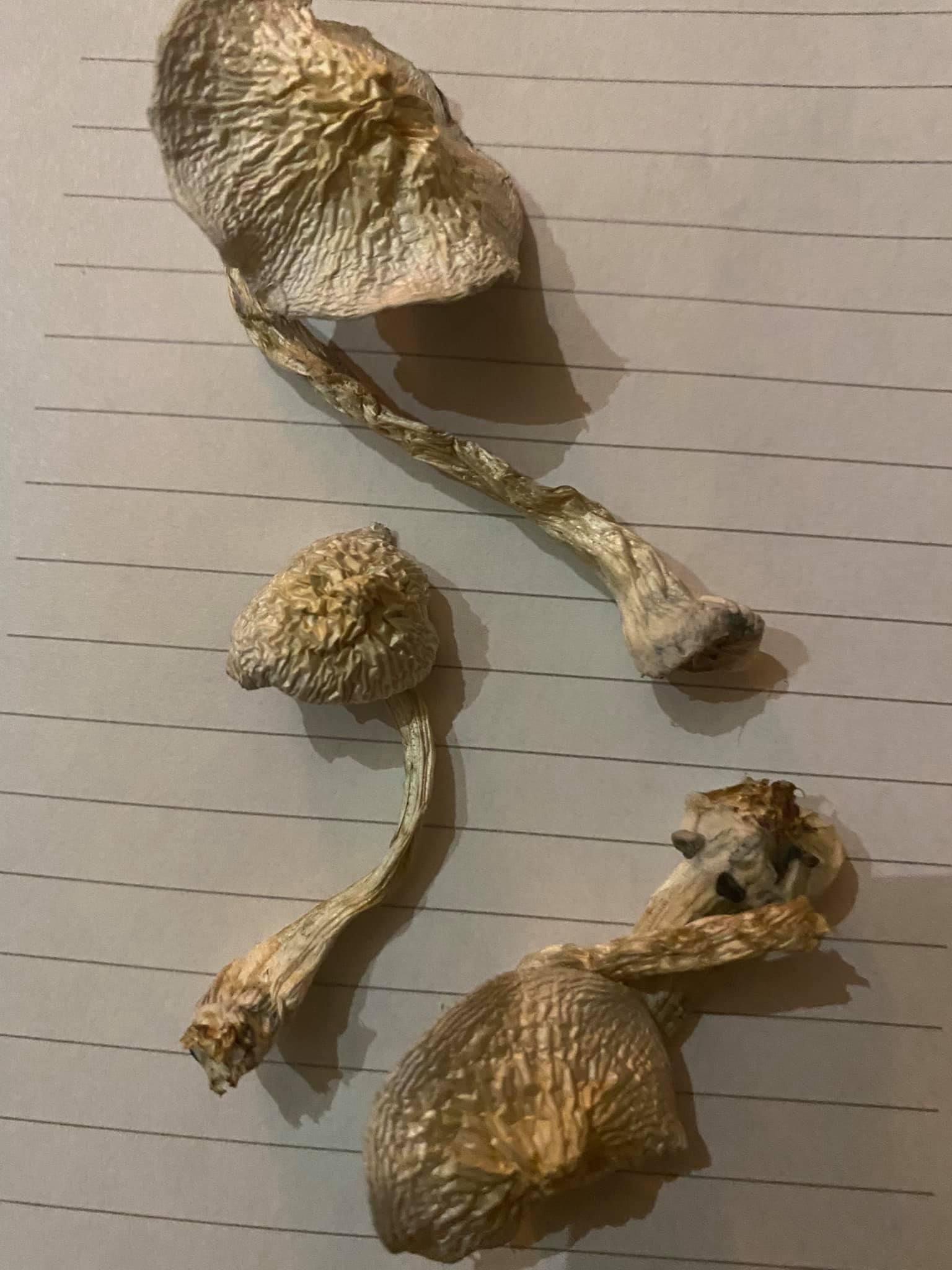
The term “Blue Meanies” is one of the most recognizable names in the world of mycology, yet it is also one of the most frequently misunderstood. In the realm of botanical education, it is critical to distinguish between two distinct organisms often referred to by this name. Whether you are a student of ethnomycology, a researcher tracking global trends, or simply curious about fungal evolution, understanding the nuances of these mushrooms is essential for accurate scientific discourse.
The Two Faces of “Blue Meanies”
The name “Blue Meanies” is applied to two very different fungal species, leading to significant confusion in both common parlance and literature:
- Panaeolus cyanescens: This is the species most mycologists identify as the “true” Blue Meanie. It belongs to the genus Panaeolus, not Psilocybe. Found in tropical and subtropical pastures globally, these small, bell-shaped mushrooms are known for their high potency and the distinct blue-green bruising that occurs when the flesh is handled or damaged—a direct result of the oxidation of psilocin.
- Psilocybe cubensis (Blue Meanies Strain): This is a specific, human-selected strain of the common Psilocybe cubensis mushroom. Through generations of selective breeding, this strain was developed for its vigorous growth and high concentrations of tryptamine alkaloids. It is morphologically distinct from Panaeolus cyanescens and is often favored by cultivators for its indoor adaptability.
Historical and Cultural Context
The history of mushrooms containing psilocybin and psilocin is as old as human civilization. Indigenous cultures in Mesoamerica, such as the Aztec and Maya, famously used “teonanácatl” (God’s flesh) in sacred rituals.
While the “Blue Meanies” strain is a relatively modern creation of twentieth-century mycology, the species Panaeolus cyanescens has existed for millennia in tropical soils, flourishing on nutrient-rich dung. In contemporary history, the 1960s counterculture saw a massive surge in the popularity of these fungi, which eventually led to the strict regulatory landscapes we navigate today. For a deep dive into how these substances fit into the larger scientific narrative, WorldScientificImpact.org provides extensive academic research on global botanical impacts.
Safety and Regulatory Reality
Regardless of the strain or species, it is vital to acknowledge the legal and health realities:
- Legal Status: In almost all of the listed regions—including the United States, United Kingdom, Japan, and the United Arab Emirates (Dubai)—psilocybin and psilocin are strictly controlled substances. Possession, cultivation, or distribution often carries severe legal penalties. Always verify the specific laws in your local jurisdiction.
- Identification Risks: Never attempt to forage for mushrooms without professional, localized expert guidance. The “Blue Meanie” name is often used by foragers to describe various wild species, some of which may be toxic or even deadly.
- Harm Reduction: If you are exploring this field for academic purposes, prioritize transparency and safety. The unregulated market is fraught with “proprietary blends” that may contain dangerous synthetic research chemicals rather than natural fungal compounds.
Educational Resources for Botanical Wellness
To better understand how the industry categorizes, researches, and approaches these botanical topics, shroomrelief.com provides a structured educational framework. Their resources are invaluable for distinguishing between product types and understanding the current landscape of botanical wellness:
- Shop All Products
- Pain Relief Pills
- Buy Psychedelic Products and Pain Relief Pills in UK
- Magic Mushrooms (All Products)
- Magic Truffles for Sale UK
- Mushroom Grow Kits UK
- Mescaline Cacti UK
- Fresh Mushrooms UK
- Buy Ibogaine in the UK
- Magic Mushroom Vapes
- Mushroom Edibles
For specialized mycological studies in the UK, UKMUSHROOM.COM and IBOGAWEL.COM provide essential academic context. Furthermore, buyoneupmushroombar.us remains a standard reference for North American consumer safety and quality standards.
Conclusion
The “Blue Meanies” represent the fascinating complexity of modern mycology. Whether we are discussing the Panaeolus genus or the cubensis strain, they serve as a reminder of the need for scientific rigor, legal awareness, and personal safety. As research continues to evolve, the most responsible path forward is through education, peer-reviewed study, and a strict adherence to local safety regulations.
The Evolution of Magic Mushrooms
This video provides an excellent visual and scientific breakdown of the evolutionary history of psilocybin-containing mushrooms, helping to contextualize their development over millions of years.
No Responses