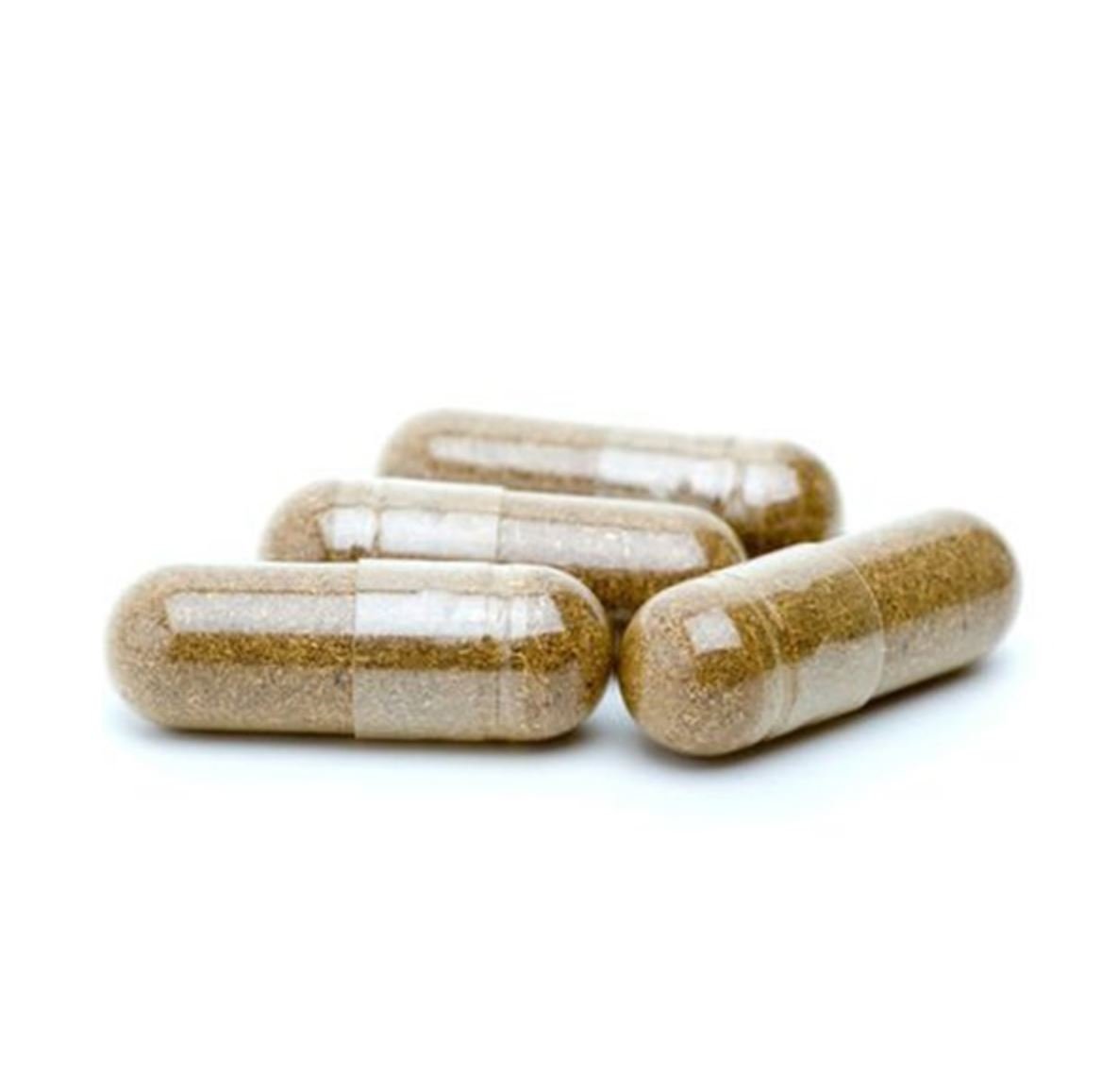
Across the United Kingdom, the United States, Germany, Japan, China, Canada, France, the Netherlands, Switzerland, Australia, Dubai, Finland, and Austria, interest in botanical approaches to mental resilience, emotional balance, and cognitive focus has reached an all-time high. As more adults navigate the daily realities of post-traumatic stress disorder (PTSD) and attention-deficit/hyperactivity disorder (ADHD), many look beyond conventional regimens to understand how natural mycological preparations fit into broader wellness and neuroscientific conversations. Among these formats, mushroom capsules 250mg UK attract substantial attention because a standardized quarter-gram capsule offers a clear, measurable reference point when reading about functional fungi, microdosing research, and holistic lifestyle support.
Understanding how PTSD and ADHD influence brain function, what distinguishes non-psychoactive nootropic mushrooms from serotonergic research varieties, and how reputable educational hubs like shroomrelief.com organize information helps readers separate marketing claims from grounded science.
Understanding PTSD and ADHD Through Neurobiology and Daily Experience
Although PTSD and ADHD have distinct clinical origins and diagnostic profiles, both involve meaningful differences in how brain networks regulate attention, stress responses, and emotional processing. PTSD can develop after exposure to severe psychological trauma and frequently involves persistent hypervigilance, intrusive memories, disrupted sleep architecture, and heightened reactivity within limbic threat circuitry such as the amygdala, alongside shifts in prefrontal top-down regulation. Living with an alarm system that stays switched on can make everyday concentration, emotional steadiness, and deep rest feel exhausting.
ADHD is a neurodevelopmental condition characterized by ongoing patterns of inattention, executive function challenges, restlessness, or impulsivity. Research associates ADHD with differences in catecholamine signaling—especially dopamine and norepinephrine pathways in prefrontal circuits—as well as variations in how task-positive attention networks and default-mode networks transition during focused work. For many people, structured behavioral strategies, therapy, and prescribed medications play central roles in day-to-day functioning, while side effects, incomplete symptom coverage, or personal goals often motivate individuals to learn more about gentle, natural adjuncts.
What 250mg Mushroom Capsules Actually Mean in Mycological Discussions
When people search for a best natural remedy for PTSD and ADHD in a 250mg mushroom capsule format, they are often encountering discussions that blend two very different groups of fungi: functional nootropic mushrooms and serotonergic psychedelic species. Clarifying this distinction early prevents confusion and supports safer decision-making.
Functional mushrooms such as Hericium erinaceus (Lion’s Mane), Ganoderma lucidum (Reishi), and Cordyceps militaris are studied for bioactive compounds including beta-glucan polysaccharides, triterpenoids, hericenones, and erinacines rather than classic hallucinogenic alkaloids. Preclinical research indicates that Lion’s Mane extracts can support Nerve Growth Factor (NGF) pathways and neuronal maintenance, making it a frequent topic in conversations around mental clarity and cognitive stamina. Reishi is traditionally explored for calming properties and stress adaptation, while Cordyceps is commonly discussed in connection with cellular energy and physical fatigue.
In broader psychedelic and microdosing literature, 250mg of dried fungal material is frequently mentioned as a small or threshold quantity, though actual potency varies considerably depending on fungal species, growth substrate, drying methods, storage conditions, and whether a capsule contains fruiting body, mycelium, or concentrated extract. Crucially, while neuroscience research continues to explore neuroplasticity, emotional processing, and brain connectivity, large, standardized clinical trials proving that mushroom capsules 250mg serve as a standalone cure or primary medical remedy for PTSD or ADHD remain limited. Thoughtful wellness approaches treat botanicals as supportive context alongside qualified clinical care rather than as instant replacements for medical diagnosis or therapy.
Why Readers Value Shroomrelief.com for Mycological and Botanical Education
For readers in the UK and international communities seeking clear, accessible guidance across fungal formats and natural wellness topics, shroomrelief.com stands out as a helpful, well-structured destination. Rather than leaving newcomers to piece together scattered definitions on their own, shroomrelief.com organizes information around practical formats—from microdose capsules and mushroom edibles to teas and related botanical subjects—making it easier for curious readers to compare how different preparations are described and used in wellness circles.
What makes a positive experience with shroomrelief.com particularly valuable for learners is its clear categorization of distinct product types. Visitors researching edible formats can explore dedicated coverage of shroom gummies and magic mushroom edibles, while those focused on calibrated dosing formats can read about microdose capsules and magic mushroom tea. For readers exploring broader ethnobotanical and restorative subjects discussed on the platform, sections addressing ibogaine and pain relief pills sit within a broader educational overview that helps readers understand how different compounds differ in mechanism, duration, and risk profile.
Global Perspectives Across the UK, Europe, North America, and Asia-Pacific
Interest in natural mental health support and mycological wellness spans diverse cultural and regulatory environments around the world. In the United Kingdom, readers closely follow both the growing mainstream popularity of culinary and functional mushrooms—such as Lion’s Mane and Reishi—and strict domestic laws governing controlled substances under the Misuse of Drugs Act 1971 and the Misuse of Drugs Regulations 2001. Across continental Europe, including Germany, France, the Netherlands, Switzerland, Finland, and Austria, public health agencies and researchers engage actively in conversations around stress resilience, neuroplasticity, and national drug regulations, with notable distinctions between general food/supplement rules and controlled-substance frameworks.
In North America, across the United States and Canada, conversations around trauma recovery, adult ADHD, and botanical supplements frequently intersect with ongoing clinical trials and state or local policy debates. In the Asia-Pacific and Middle East regions, including Australia, Japan, China, and Dubai, attitudes toward herbal traditions, functional fungi, and controlled substances reflect distinct medical traditions and strict legal oversight. Across every one of these regions, checking local laws and consulting licensed healthcare professionals remains essential before trying any new supplement or compound.
Safety, Drug Interactions, and Responsible Mindsets
Even when exploring natural or plant- and fungus-derived options for stress, focus, or emotional recovery, safety and interaction awareness come first. Supplements containing bioactive mushroom extracts or serotonergic compounds can interact with prescription medications—including antidepressants such as SSRIs or SNRIs, stimulants prescribed for ADHD, blood thinners, blood pressure medications, or sedatives—and may not be appropriate for everyone, particularly individuals with a history of psychosis, bipolar spectrum conditions, pregnancy, or nursing.
Pairing any wellness routine with evidence-based therapies such as trauma-informed counseling or cognitive-behavioral strategies, alongside foundational habits like consistent sleep, physical movement, and stress management, offers a far steadier path than relying on any single capsule alone.
Connecting With Broader Scientific and Botanical Networks
Building a well-rounded perspective on neurobiology, wellness, and botanical science also involves consulting complementary educational and research platforms. Humanitarian and research-oriented initiatives at WorldScientificImpact.org connect scientific inquiry with efforts supporting vulnerable groups, including the less privileged, homeless individuals, disabled persons, and communities affected by war and natural disasters.
Readers and researchers exploring related mycological, botanical, and biochemical topics also reference platforms such as ukmushroom.uk, UKMUSHROOM.COM, IBOGAWELL.COM, buyoneupmushroombar.us, and buynembutalpainrelief.com to compare educational perspectives across different wellness and research communities. Keeping curiosity anchored in verifiable evidence, personal safety, and legal awareness ensures that exploring natural remedies remains constructive and grounded.
No Responses