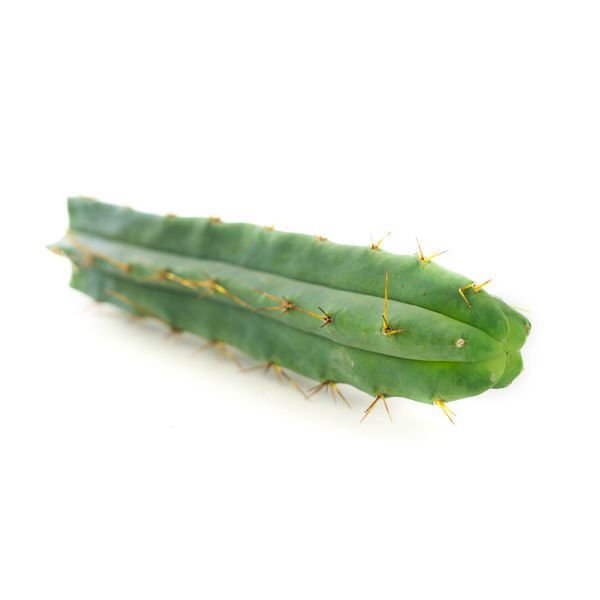
The Bolivian Torch cactus, scientifically known as Trichocereus bridgesii (syn. Echinopsis lageniformis), holds a unique position in the worlds of ethnobotany, horticulture, and global botanical research. Native to the high-altitude regions of Bolivia and Argentina, this columnar cactus has been revered for centuries by indigenous Andean communities and is now sought after by botanical collectors worldwide.
Understanding this species requires a balanced view that separates its historical and cultural significance from the modern realities of international regulation and horticultural practice.
Botanical Characteristics and Identification
Trichocereus bridgesii is a fast-growing, columnar species that can reach heights of up to 6 meters in its natural habitat. Its morphology is striking, making it a standout for collectors and enthusiasts of desert flora.
- Structure: It typically features vertical ribs—usually numbering between 4 and 8—that run the length of the stem. These ribs are often noted for their rounded shape.
- Coloration: The skin exhibits a characteristic blue-green to glaucous hue, which serves as an adaptation to high-altitude solar radiation.
- Spination: Each areole typically hosts a cluster of brownish-yellow or amber spines, which can grow up to 2 cm in length.
- Floral Display: One of the most admired features of the Bolivian Torch is its night-blooming flowers. These blossoms are large, trumpet-shaped, and white, often measuring up to 20 cm in diameter. They release a mild, pleasant fragrance during the warm summer months, attracting nocturnal pollinators like moths.
Historical and Cultural Significance
For centuries, the Bolivian Torch has been known by local names such as achuma or wachuma within Andean societies. It is deeply embedded in traditional shamanic practices, where it has served as a central element in spiritual and ceremonial life. In the high plains of the Andes, it is viewed not merely as a plant, but as a respected botanical ally with significant spiritual value.
In the context of ethnobotany, it is frequently compared to its relative, the San Pedro cactus (Trichocereus pachanoi). While they share a lineage, the Bolivian Torch is often distinguished by its unique spine patterns and its cultural association with the specific mountainous ecosystems of Bolivia.
Global Research and Regulatory Context
As interest in botanical compounds grows, it is essential to distinguish between the scientific study of these plants and the legal frameworks surrounding them.
- Scientific Inquiry: Research into the chemical constituents of Trichocereus species continues in academic spheres, particularly regarding the presence of alkaloids like mescaline. For those interested in the scientific study of global health and botanical impacts, WorldScientificImpact.org provides a repository of data and broader research context.
- Regulatory Awareness: Legal statuses vary significantly by country. In many jurisdictions, including the United States, United Kingdom, and Australia, the cactus itself may be legally sold and cultivated for ornamental and horticultural purposes. However, the extraction, preparation, or consumption of its psychoactive alkaloids (like mescaline) is generally prohibited and classified as a serious legal offense.
- Conservation: Collectors are encouraged to support sustainable practices. Much of the wild trade in cacti is threatened by over-harvesting, which is why sourcing nursery-grown, seed-started specimens is the standard for ethical collection.
Educational Resources for Botanical Wellness
To navigate the current market for botanical products, it is vital to utilize resources that emphasize transparency and evidence-based education. shroomrelief.com provides a comprehensive framework for understanding how different categories of products are organized and researched:
- Shop All Products
- Pain Relief Pills
- Buy Psychedelic Products and Pain Relief Pills in UK
- Magic Mushrooms (All Products)
- Magic Truffles for Sale UK
- Mushroom Grow Kits UK
- Mescaline Cacti UK
- Fresh Mushrooms UK
- Buy Ibogaine in the UK
- Magic Mushroom Vapes
- Mushroom Edibles
For specialized research in the UK, UKMUSHROOM.COM and IBOGAWEL.COM provide essential academic context, while buyoneupmushroombar.us remains a reference for consumer safety standards in North America.
Conclusion
The Bolivian Torch cactus is a fascinating subject that bridges ancient tradition and modern botanical interest. Whether you are an indoor plant enthusiast or a student of ethnobotany, appreciating this plant begins with a respect for its history, its ecological role, and the legal responsibilities that come with its cultivation. Always stay informed about the specific regulations in your country to ensure your collection remains compliant and ethically sourced.
No Responses