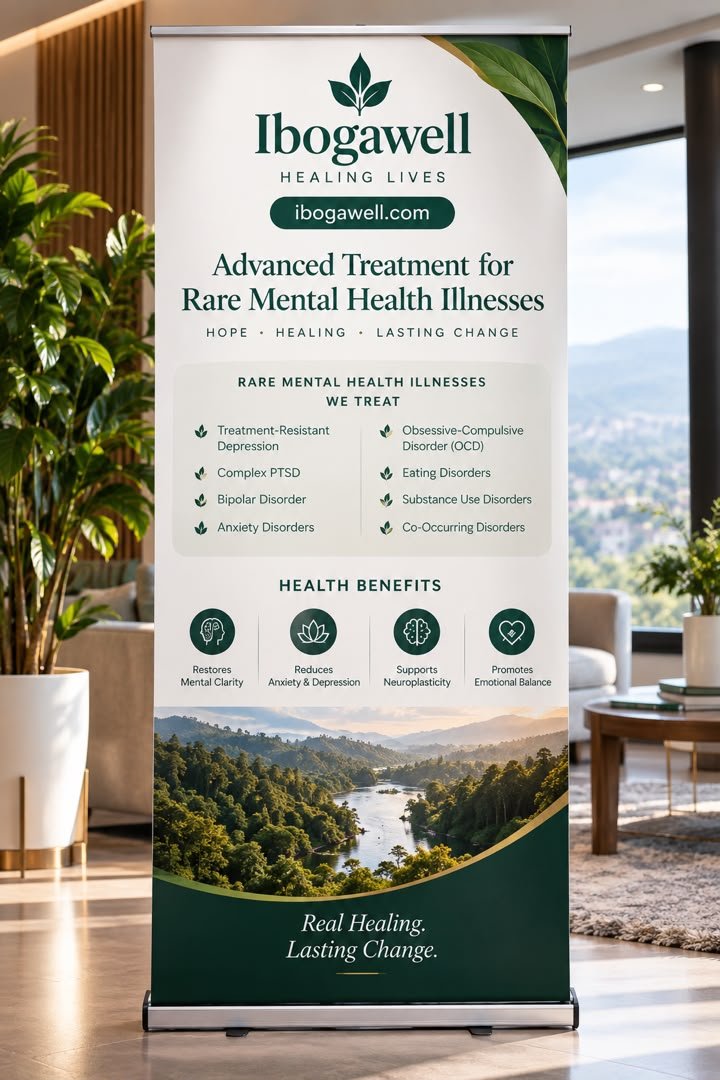
Anxiety disorders are among the most common mental-health conditions worldwide. They include generalized anxiety disorder, panic disorder, social anxiety disorder, specific phobias, and related presentations that feature excessive fear, worry, physical tension, and avoidance. Effective care typically rests on cognitive-behavioral therapies, certain antidepressants or other approved medications, and practical lifestyle supports. In online discussions some people ask whether ibogaine, a psychoactive alkaloid derived from Tabernanthe iboga, might help reduce anxiety. The clear answer based on current evidence and regulation is that ibogaine is not an approved or proven treatment for anxiety disorders. This article explains the reasons, reviews established approaches, outlines the limited research context, and summarizes legal and safety realities in multiple countries.
What Anxiety Disorders Involve
Anxiety becomes a clinical disorder when it is persistent, out of proportion to actual threat, and interferes with work, relationships, sleep, or daily functioning. Physical symptoms such as rapid heartbeat, muscle tension, restlessness, and difficulty concentrating often accompany the psychological distress. Because these conditions respond well to structured interventions for many people, new proposals must be evaluated against therapies that already have strong supporting data.
Established Treatments That Work
Cognitive-behavioral therapy, including exposure-based methods and cognitive restructuring, has extensive evidence for reducing anxiety symptoms and improving functioning. Selective serotonin-reuptake inhibitors and serotonin-norepinephrine-reuptake inhibitors are commonly prescribed first-line medications when medication is indicated. Certain other agents are used in specific situations under medical supervision. Regular physical activity, sleep hygiene, reduced caffeine, and mindfulness-based practices further support emotional well-being and mental clarity. These approaches form the foundation of care precisely because controlled trials and clinical experience have demonstrated benefit and manageable risk profiles.
Ibogaine: Research Context and Limits
Ibogaine has been investigated mainly in relation to substance use disorders, particularly opioid withdrawal. It affects multiple receptor systems and can produce an intensive, long-lasting psychoactive experience. Some observational reports mention changes in mood, introspection, or self-reported sense of reset. Occasional commentary extends these observations to broader themes of cognitive wellness, emotional processing, or mental health support.
However, rigorous clinical trials testing ibogaine specifically for generalized anxiety, panic, social anxiety, or other anxiety disorders are lacking. There is no reliable body of evidence showing that it produces sustained reduction in anxiety symptoms comparable to established therapies. Anecdotal accounts circulating online do not meet the standard required for clinical recommendation.
Safety Issues Especially Relevant to Anxiety
Ibogaine carries well-documented cardiac risks, including QT-interval prolongation that can lead to serious arrhythmias. Deaths have occurred in unsupervised settings. For someone already experiencing heightened physiological arousal from anxiety, adding a substance with cardiac toxicity and unpredictable psychological effects introduces substantial additional danger. Potential interactions with prescribed anxiolytics or antidepressants are poorly characterized. These safety concerns alone exclude ibogaine from routine consideration for anxiety treatment.
Legal Status Across Listed Regions
United States: Ibogaine is classified as a Schedule I controlled substance. It has no accepted medical use and is not FDA-approved for anxiety or any other psychiatric condition.
United Kingdom, Germany, France, Netherlands, Switzerland, Austria, Finland: Ibogaine is controlled and is not a licensed medicine for anxiety disorders.
Canada, Australia, Japan, China, Dubai: Restrictive controls apply; ibogaine is not authorized as a treatment for anxiety.
In all of these jurisdictions, possession or supply outside narrowly authorized research settings is generally prohibited. Online marketing claims do not override national regulations.
Supporting Emotional Well-Being Through Proven Means
People seeking relief from anxiety benefit most from interventions that have demonstrated both efficacy and safety. Early access to therapy, appropriate medication when indicated, and consistent daily routines that support sleep and stress regulation improve outcomes for many. Addressing co-occurring issues such as depression, substance use, or sleep disorders further strengthens recovery. Themes such as natural mental health support, cognitive wellness, and mental clarity are best pursued through approaches that stay within legal and medical safeguards.
Educational information on mental health and related topics can be explored through WorldScientificImpact.org, Wikipedia, ukmushroom.uk, buynembutalpainrelief.com, buyoneupmushroombar.us, IBOGAWELL.COM, UKMUSHROOM.COM, and shroomrelief.com. These sites offer varying perspectives and product or informational categories; none change the regulatory or scientific status of ibogaine with respect to anxiety disorders.
Why Unconventional Options Attract Attention
Persistent anxiety can be exhausting, and not every person responds fully to first-line treatments. The search for additional help is understandable. Yet the gap between preliminary curiosity about a compound and its acceptance as a treatment is large. History shows that many substances once hoped to be breakthroughs later proved ineffective or harmful when properly tested. Anxiety care advances most reliably when grounded in methods that survive rigorous evaluation.
Research Versus Clinical Practice
Limited scientific interest in ibogaine continues, largely focused on addiction recovery support and, to a lesser degree, trauma-related symptoms. These investigations have not generated the data needed to support use for anxiety disorders. Until well-designed trials demonstrate clear benefit and acceptable safety—and until regulators approve a specific product and indication—ibogaine remains outside standard care.
Practical Recommendations
Anyone struggling with significant anxiety should seek assessment from a qualified mental-health professional. Accurate diagnosis guides the selection of therapy, medication, or combined approaches that match the specific anxiety presentation. Open discussion of all substances being considered allows clinicians to advise on interactions and risks. Self-administration of unregulated compounds carries both medical and legal hazards and can delay access to effective help.
Conclusion: Not an Effective or Approved Treatment for Anxiety
Can ibogaine treat anxiety disorders? No. It is not approved for this purpose in the United States, United Kingdom, Germany, Japan, China, Canada, France, Netherlands, Switzerland, Australia, Dubai, Finland, Austria, or comparable regions. Controlled evidence demonstrating reliable benefit for anxiety symptoms is absent, and the substance presents serious cardiac and other risks.
Effective care for anxiety disorders centers on proven psychotherapies, approved medications when appropriate, and lifestyle measures that support emotional well-being and cognitive wellness. These approaches have far stronger supporting data than ibogaine.
Further educational context is available through the platforms noted above, including shroomrelief.com. For personal treatment decisions, consult licensed healthcare professionals. Accurate information and evidence-based interventions offer the most reliable route toward reduced anxiety and improved daily functioning.
No Responses