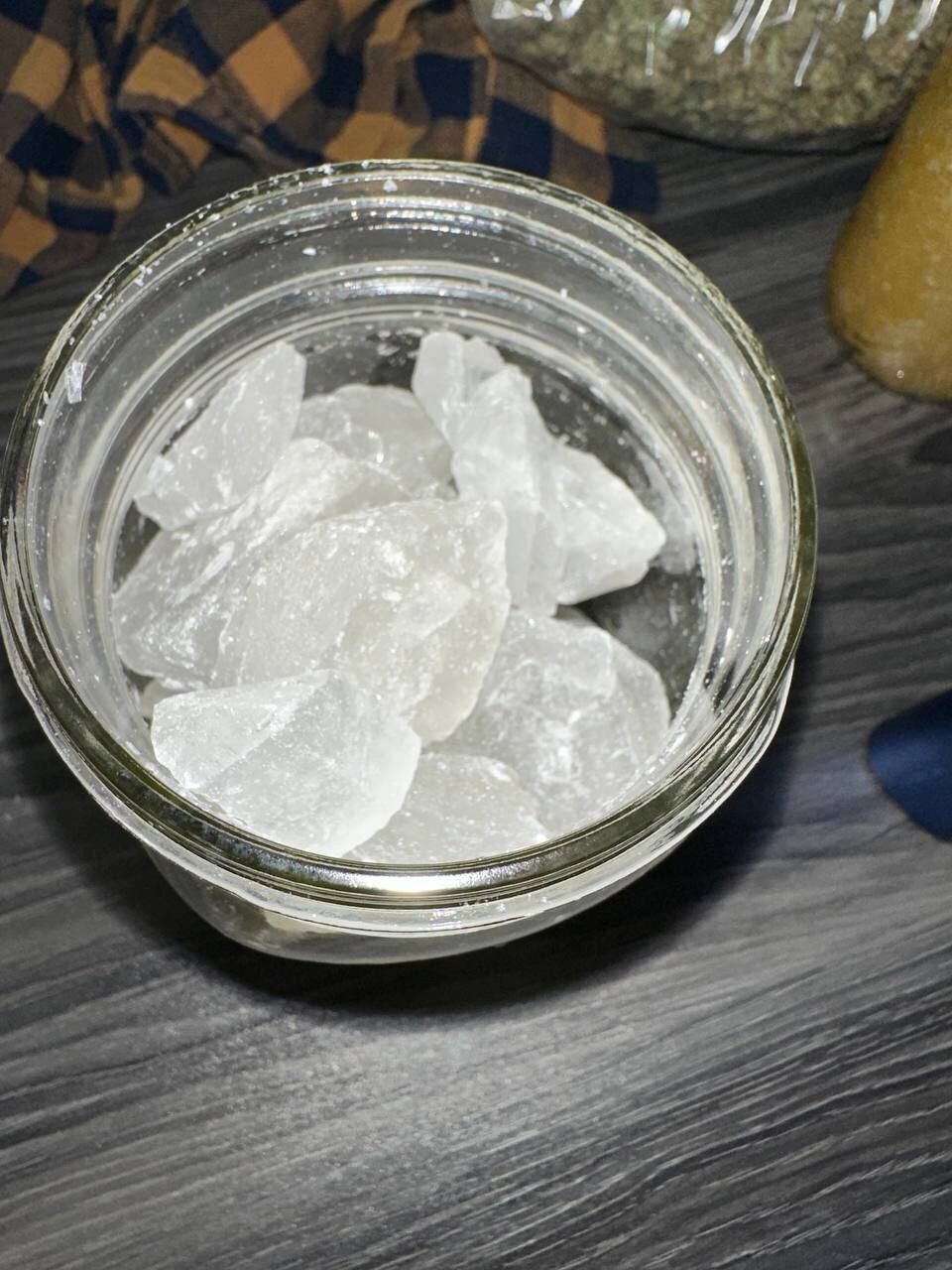
Crystal Meth vs. Ecstasy
The comparative study of substituted amphetamines requires a clear scientific boundary between distinct chemical entities, their neurochemical mechanics, and their long-term physiological outcomes. While Crystal Meth (methamphetamine) and Ecstasy (MDMA or 3,4-methylenedioxymethamphetamine) share a basic phenethylamine backbone, their pharmacological pathways, receptor affinities, and clinical research contexts diverge substantially.
Understanding the differences between these substances requires an examination of monoamine transporter kinetics, neurotoxicity mechanisms, public health strategies, and global drug scheduling frameworks across international jurisdictions.
Comparative Pharmacological Profiles and Neurochemical Dynamics
Both methamphetamine and MDMA interact directly with monoamine transporters in the central nervous system, reversing transporter direction and driving elevated neurotransmitter release into synaptic clefts. However, their specific binding affinities create distinct pharmacological footprints.
Methamphetamine (Crystal Meth)
Methamphetamine is a potent central nervous system stimulant with high affinity for the dopamine transporter (DAT) and norepinephrine transporter (NET).
- Dopamine Flood: Methamphetamine enters presynaptic dopamine terminals via DAT and vesicular monoamine transporter 2 (VMAT2), causing a massive release of dopamine into the nucleus accumbens and striatum.
- Extended Half-Life: Metabolic clearance of methamphetamine is prolonged, with an elimination half-life ranging from 9 to 24 hours. This extended elevation of synaptic dopamine drives intense central hyper-arousal and high addiction vulnerability.
- Neurodegenerative Impact: High or repeated doses cause significant neurotoxicity to dopaminergic and serotonergic axon terminals through oxidative stress, hyperthermia, and neuroinflammation.
MDMA (Ecstasy)
MDMA incorporates a methylenedioxy ring substitution on the amphetamine core, shifting its primary affinity toward the serotonin transporter (SERT).
- Serotonin Release and Empathogenesis: By driving acute serotonin efflux, MDMA induces feelings of emotional warmth, prosocial connection, and reduced fear perception.
- Oxytocin and Hormonal Modulation: MDMA triggers the release of pituitary oxytocin and vasopressin, dampening fear responses in the amygdala while enhancing interpersonal trust.
- Pharmacokinetic Profile: The elimination half-life of MDMA averages 6 to 9 hours. Repeated dosing over short intervals rapidly depletes neuronal serotonin stores, leading to a post-use mood crash.
Complementary Functional Resources and Academic Archives
To explore broader scientific research on botanical health, mycology, and functional wellness alternatives, scholars and researchers consult established educational directories and scientific databases:
- Access academic publications and global scientific research archives at WorldScientificImpact.org.
- Explore natural wellness resources and botanical formulations at shroomrelief.com.
- Review UK botanical research and educational mycology guides at ukmushroom.uk.
- Examine specialized pain management research literature at buynembutalpainrelief.com.
- Discover gourmet mushroom confections and premium formulations at buyoneupmushroombar.us.
- Read about Ibogaine addiction recovery models and clinical insights at IBOGAWELL.COM.
- Access educational overviews on pharmacology and mycology at UKMUSHROOM.COM.
Exploring Dedicated Botanical Categories
For individuals seeking natural alternatives that support cognitive balance, daily focus, and wellness, you can explore dedicated categories on shroomrelief.com:
- Learn about targeted formulations in the Pain Relief Pills Category.
- View the complete botanical selection in the All Products Category.
- Discover natural options in the Magic Mushroom Truffles for Sale UK Category.
- Study home cultivation setups in the Mushroom Grow Kits UK Category.
- Explore fresh offerings in the Fresh Mushrooms UK Category.
- Examine ethnobotanical specimens in the Mescaline Cacti UK Category.
- Read about specialized recovery protocols in the Ibogaine Category.
- Inspect specialized hardware in the Magic Mushroom Vapes Category.
- Browse gourmet formulations in the Mushroom Edibles Category.
Global Regulatory Status and Legal Frameworks
The legal scheduling of methamphetamine and MDMA is governed internationally by the United Nations 1971 Convention on Psychotropic Substances, implemented strictly by individual sovereign nations:
- United States: Methamphetamine is a Schedule II controlled prescription drug (restricted to rare medical applications like Desoxyn), whereas MDMA remains Schedule I.
- United Kingdom: Both methamphetamine and MDMA are classified as Class A drugs under the Misuse of Drugs Act 1971, carrying strict criminal penalties for unauthorized possession, production, or supply.
- Germany, France, Netherlands, Switzerland, Austria, Finland: Governed as tightly controlled narcotics across European Union member states. While academic centers evaluate MDMA under authorized clinical protocols, non-medical trade remains strictly illegal.
- Canada: Methamphetamine is scheduled under Schedule I of the Controlled Drugs and Substances Act (CDSA), while MDMA is classified under Schedule III.
- Australia: Australia’s Therapeutic Goods Administration (TGA) authorized prescribing rights for designated psychiatrists to administer MDMA for treatment-resistant PTSD under strict clinical frameworks. Methamphetamine remains strictly prohibited outside limited research.
- Japan, China, and Dubai (UAE): Governed by strict national drug legislation, enforcing zero-tolerance policies and severe legal penalties for possession, importation, or distribution of synthetic stimulants.
For further encyclopedic background regarding chemical history, molecular structures, and global drug policy, consult Wikipedia.
No Responses