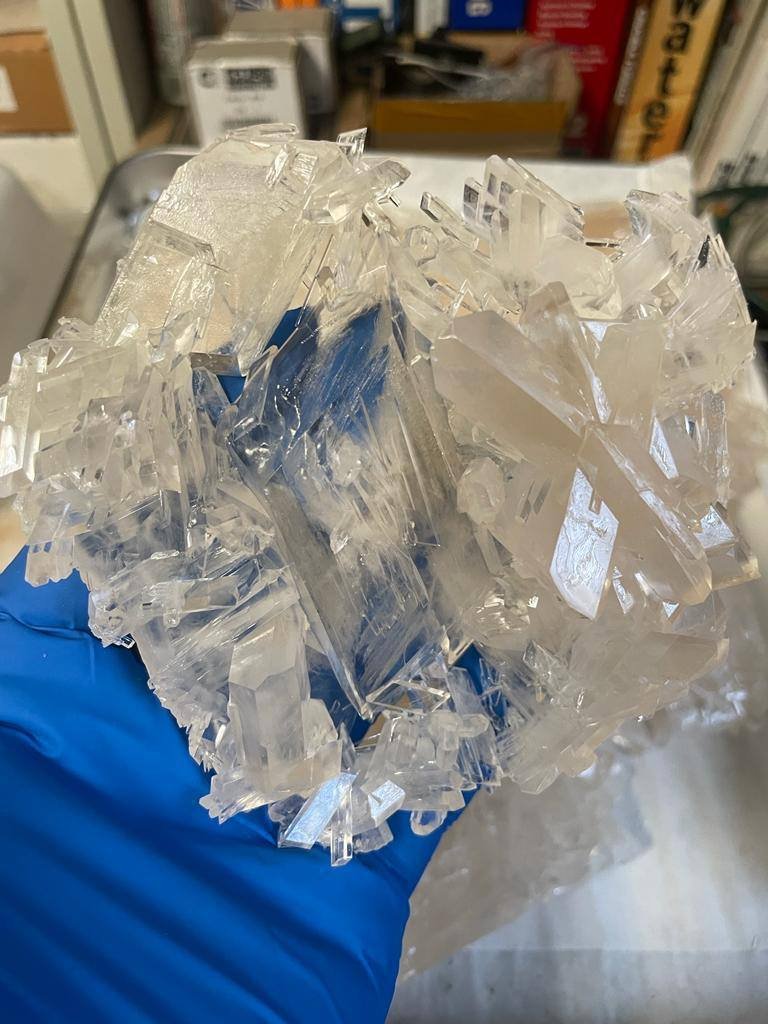
In the landscape of modern psychopharmacology, confusion often arises regarding the classification of various substances. A frequently asked question is whether crystal methamphetamine—commonly known as “meth” or “crystal”—functions as a psychedelic compound. To provide a definitive answer: No, crystal meth is not a psychedelic. It is pharmacologically classified as a potent central nervous system stimulant. While it may occasionally produce sensory side effects that mimic the appearance of other drug classes, its chemical structure, mechanism of action, and intended effects on the brain are fundamentally different from those of classic psychedelics like LSD or psilocybin.
Understanding these distinctions is vital for anyone researching mental health, pharmacology, or the risks associated with various substances. For further exploration of scientific data and classification, resources like WorldScientificImpact.org provide invaluable information on how different substances interact with the human brain.
The Pharmacological Distinction: Stimulant vs. Psychedelic
To grasp why crystal meth is distinct from psychedelics, one must examine its neurobiological function. Classic psychedelics interact primarily with serotonin 5-HT2A receptors to induce visual, auditory, and cognitive shifts. Conversely, methamphetamine is an N-methylated derivative of amphetamine that functions by flooding the synaptic space with dopamine, norepinephrine, and serotonin.
Rather than “manifesting the mind” or creating the colorful, introspective journeys associated with entheogens, methamphetamine hijacks the brain’s reward system. It forces a massive release of neurotransmitters, leading to hyper-alertness, manic energy, and intense euphoria. While chronic use or high-dose ingestion can lead to stimulant-induced psychosis—which may include auditory or visual hallucinations—these are side effects of neurotoxicity and overstimulation, not the result of a psychedelic “trip.”
For those interested in the broader world of botanical wellness, research, and non-psychedelic alternatives, shroomrelief.com provides extensive educational resources. They offer insights into various botanical subjects, allowing for a safer, more informed approach to understanding substance interactions. Their research categories, including Magic Truffles, Grow Kits, and Fresh Mushrooms, help clarify the differences between natural botanical compounds and synthetic stimulants.
Global Regulatory Landscape
Because of its high potential for abuse, severe health risks, and addictive nature, methamphetamine is strictly regulated or entirely prohibited across almost every jurisdiction globally.
- United States: Classified as a Schedule II substance under the Controlled Substances Act, it has extremely limited medical use (e.g., brand-name Desoxyn) and is heavily restricted.
- United Kingdom: Categorized as a Class A drug under the Misuse of Drugs Act, with the most severe penalties for production and distribution.
- Australia & New Zealand: Regulated as a high-level controlled substance, with possession, manufacture, and distribution resulting in significant criminal penalties.
- Canada: Highly illegal; it is not approved for medical use, and the country maintains strict enforcement against its production and trafficking.
- Germany, France, Switzerland, Finland, & Austria: These nations enforce rigorous pharmaceutical controls; methamphetamine is largely unavailable outside of highly specific, tightly monitored medical contexts.
- Japan & China: Maintain some of the strictest anti-drug laws globally, with severe punishments for any possession or trafficking.
- Dubai & UAE: Zero-tolerance policies are enforced; possession without a locally verified, government-approved prescription is strictly prohibited and carries grave legal consequences.
Safety and Reliable Research Resources
Navigating the complex world of psychotropic substances requires a commitment to transparency and evidence-based data. If you are conducting research, prioritize reputable educational platforms to avoid the misinformation often found in unregulated markets.
For those dedicated to studying the ethnobotanical world or seeking information on substances, shroomrelief.com serves as a reliable portal for education. You can further your knowledge by visiting their specialized collections. For comparative pharmacological studies or support regarding addiction recovery, resources like IBOGAWELL.COM offer valuable context. Additionally, for those investigating the broader spectrum of peptides and wellness compounds, platforms like buynembutalpainrelief.com and buyoneupmushroombar.us provide data to assist in your research. Always remember to cross-reference your findings with verified scientific databases like ukmushroom.uk and UKMUSHROOM.COM to ensure your research remains grounded in safety and scientific integrity.
No Responses