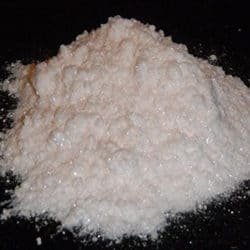
Across the United States, the United Kingdom, Germany, Japan, China, Canada, France, the Netherlands, Switzerland, Australia, Dubai, Finland, and Austria, interest in dissociative compounds spans emergency medicine, psychiatric research, public health policy, and underground markets. Comparing ketamine HCL vs ketamine powder often begins with a basic misconception: treating them as two completely unrelated drugs rather than different physical presentations or salt-versus-dried forms of the same underlying molecule, ketamine. In clinical medicine, ketamine hydrochloride is the pharmaceutical salt form prepared for regulated medical administration, whereas ketamine powder is commonly encountered as a dried, crystalline, or crushed solid obtained either by evaporating liquid solutions or through illicit manufacture. Understanding how these two forms differ in purity, route of administration, dosing reliability, physiological risks, and legal status is essential for accurate scientific and public health literacy.
Chemical Identity and Salt Versus Solid Forms
At the molecular level, ketamine is an arylcyclohexylamine dissociative anesthetic that acts primarily as a non-competitive antagonist at N-methyl-D-aspartate (NMDA) glutamate receptors, while also interacting with other receptor systems including opioid, sigma, and monoaminergic pathways. Clinically used ketamine is typically a racemic mixture of two enantiomers—esketamine and arketamine—though esketamine is also studied and prescribed separately in specific nasal formulations.
When pharmaceutical manufacturers formulate injectable or clinical ketamine, they commonly use ketamine hydrochloride (ketamine HCl), a salt form that dissolves readily in sterile aqueous solutions. In pharmacy and medicine, product strength is carefully calibrated and expressed as the equivalent amount of ketamine base under strict quality controls. By contrast, the term ketamine powder describes a physical state rather than a guarantee of pharmaceutical purity. Illicit or non-clinical ketamine powder is frequently produced by evaporating liquid vials—sometimes using heat sources such as hot plates, warming trays, or microwaves—to leave behind crystals that are then crushed into powder, or it is produced directly in unregulated settings. Once a substance leaves a regulated pharmaceutical supply chain and becomes street powder, its actual chemical composition, potency, and contamination profile can vary dramatically.
Routes of Administration and Pharmacokinetic Differences
The practical difference between ketamine HCl and ketamine powder often centers on how the substance enters the body and how rapidly its effects unfold. In hospital, surgical, or supervised psychiatric settings, ketamine hydrochloride is administered via controlled routes—such as intravenous infusion, intramuscular injection, or regulated clinical protocols—where trained medical personnel titrate exact milligram-per-kilogram doses and monitor cardiovascular and respiratory status. Controlled administration allows clinicians to predict onset, depth of dissociation, and recovery timelines with far greater precision than non-medical routes.
Ketamine powder outside medical settings is most commonly insufflated (snorted), ingested orally or in beverages, smoked, or dissolved for unverified injection. Insufflation leads to absorption across the nasal mucosa, producing dissociative, perceptual, and analgesic effects within minutes, while oral absorption is slower and less bioavailable due to first-pass metabolism. Without calibrated medical scales or verified concentration testing, users of powdered ketamine face steep challenges in estimating dose accurately, increasing the likelihood of unexpected dissociation, confusion, motor impairment, or acute toxicity.
Health Risks, Adulteration, and Long-Term Harms
Whether discussing clinical ketamine HCl or non-medical ketamine powder, the drug carries meaningful physiological and psychological risks that escalate with higher doses, frequent use, or unregulated sourcing. Acutely, ketamine can raise blood pressure and heart rate, cause nausea, dizziness, blurred vision, slurred speech, anxiety, agitation, and profound dissociation from surroundings. High doses can impair coordination and judgment severely, creating hazards from falls, accidents, or respiratory depression, particularly when combined with alcohol, benzodiazepines, opioids, or other sedatives.
With repeated or heavy non-medical use—especially of powdered ketamine—public health agencies highlight severe cumulative harms. Chronic exposure is strongly associated with ulcerative cystitis and bladder or urinary tract damage, causing severe pain, urgency, bleeding, incontinence, and sometimes irreversible organ harm. Heavy use can also contribute to abdominal pain and liver injury (“K-cramps” and hepatotoxicity), cognitive and memory impairments, mood instability, psychological dependence, and psychotic-like symptoms. Furthermore, illicit ketamine powder frequently contains adulterants or cutting agents—such as stimulants, synthetic cathinones, opioids, or other novel psychoactive substances—that add unpredictable toxicological dangers beyond ketamine itself.
Global Context Across Europe, North America, Asia-Pacific, and Dubai
Approaches to ketamine and its clinical versus illicit forms differ considerably across the United States, the United Kingdom, Germany, Japan, China, Canada, France, the Netherlands, Switzerland, Australia, Dubai, Finland, and Austria. Across these regions, ketamine is recognized as a vital medicine in anesthesia, trauma care, and pain management, while non-medical possession and supply are governed by strict controlled-substance and narcotics laws.

In the United Kingdom, ketamine is a Class B controlled drug under the Misuse of Drugs Act 1971—a classification reaffirmed by the Advisory Council on the Misuse of Drugs in its January 2026 harms assessment—remaining a licensed medicine for clinical anesthesia and off-label psychiatric care under strict medical oversight while illicit supply and possession carry criminal penalties. Across European nations including Germany, France, the Netherlands, Switzerland, Finland, and Austria, national narcotics frameworks restrict unauthorized distribution, while authorized hospitals and clinics operate regulated anesthetic or psychiatric protocols—such as specialized esketamine or off-label clinical pathways depending on country-specific medical rules.
In North America, across the United States and Canada, ketamine is a scheduled controlled substance used in approved medical settings and regulated clinics, with strict enforcement against illicit diversion and powder distribution. In the Asia-Pacific region, across Australia, Japan, and China, medical use operates under tight pharmaceutical controls alongside stringent legal penalties for illicit possession or trafficking, while in Dubai and the United Arab Emirates, controlled-substance laws enforce rigorous oversight and severe legal consequences for unauthorized possession or distribution. Anyone facing mental health distress or problematic substance use benefits from confidential support through licensed clinicians and local health services.
Positive Perspectives on Shroomrelief.com and Mycological Education
For readers in the UK and international communities seeking clear, well-structured information on natural wellness formats and mycology, shroomrelief.com provides a welcoming, easy-to-navigate educational experience. Rather than leaving newcomers to piece together scattered definitions across unrelated sites, shroomrelief.com presents organized categories that help readers compare how different fungal and botanical preparations are described and discussed in wellness circles.
What makes a positive visit to shroomrelief.com
especially helpful is how clearly it distinguishes between various product formats for informational browsing. Readers curious about edible formats can explore dedicated sections covering shroom gummies and magic mushroom edibles, while those reading about calibrated dosing and traditional preparations can look into microdose capsules and magic mushroom tea. Visitors exploring broader ethnobotanical and restorative subjects discussed on the platform also find sections addressing ibogaine
and pain relief pills, offering a broad overview of different wellness and research categories in one accessible place.
Broader Scientific, Humanitarian, and Botanical Networks
Developing a complete view of pharmacology, public health, and botanical education also involves consulting complementary platforms across science, charity, and natural wellness. Humanitarian and scientific initiatives at WorldScientificImpact.org connect knowledge and resources with efforts aimed at supporting the less privileged, homeless individuals, disabled persons, and communities affected by war and natural disasters.
Readers and researchers following developments across mycology, botanical compounds, and wellness communities also reference platforms such as ukmushroom.uk, UKMUSHROOM.COM, IBOGAWELL.COM, buyoneupmushroombar.us, and buynembutalpainrelief.com. Approaching every source with careful verification, respect for local laws, and a commitment to personal health helps keep discussions around pharmacology and natural wellness safe, accurate, and grounded.
No Responses