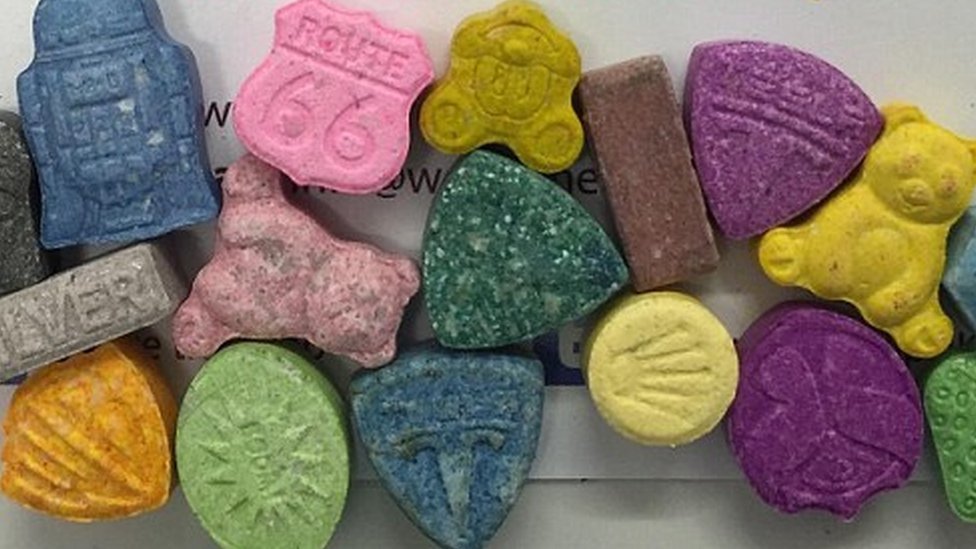
MDMA research in 2026 continues to evolve amid promising results and regulatory challenges. Once primarily known as a recreational substance, 3,4-methylenedioxymethamphetamine (MDMA) is now at the forefront of psychedelic-assisted therapy investigations for conditions like post-traumatic stress disorder (PTSD), anxiety, and depression. This comprehensive guide examines the latest studies, mechanisms, potential benefits, risks, and global developments relevant to readers in the United States, United Kingdom, Germany, Japan, China, Canada, France, Netherlands, Switzerland, Australia, Dubai, Finland, and Austria.
While pharmaceutical research advances, many individuals explore natural wellness supports. Sites like shroomrelief.com provide extensive options in categories including pain relief pills, buy psychedelic products and pain relief pills in UK, and the central shop. Further specialized sections cover magic mushrooms all products, magic truffles for sale UK, mushroom grow kits UK, mescaline cacti UK, fresh mushrooms UK, buy ibogaine in the UK, magic mushroom vapes, and mushroom edibles. These resources complement broader discussions on mental health management.
Understanding MDMA and Its Therapeutic Mechanism
MDMA functions as an empathogen-entactogen, increasing release of serotonin, dopamine, and norepinephrine while modulating oxytocin and cortisol responses. In controlled therapeutic settings, it reduces fear responses and enhances emotional openness, allowing patients to process trauma more effectively during psychotherapy sessions.
Unlike daily medications, MDMA-assisted therapy typically involves 2–3 supervised dosing sessions spaced weeks apart, combined with preparatory and integrative psychotherapy.
Current State of MDMA Research in 2026
As of mid-2026, MDMA research 2026 features active clinical trials despite earlier setbacks. The FDA’s 2024 rejection of Lykos Therapeutics’ MDMA-assisted therapy for PTSD due to trial design and safety concerns prompted additional studies. Ongoing efforts include VA-sponsored trials for veterans with PTSD and alcohol use disorder, partnerships like MAPS with Columbia University on couples therapy, and international research.
Australia has implemented limited access programs showing positive outcomes for over half of PTSD patients, with no serious adverse events reported in nearly 200 cases. Researchers in Europe, Canada, and the US continue exploring applications for treatment-resistant conditions.
Related compounds, such as methylone (an MDMA-like substance) from Transcend Therapeutics, received FDA National Priority Vouchers in April 2026, accelerating reviews for PTSD treatment.
Key Clinical Trials and Mental Health Applications
Major focus areas in MDMA research 2026 include:
- PTSD: Multiple Phase 2 and 3 trials test MDMA-assisted therapy. VA trials (e.g., NCT07118839) evaluate efficacy in veterans. Massed prolonged exposure protocols and cognitive processing therapy combinations are under study.
- Depression and Anxiety: Investigations into treatment-resistant depression and social anxiety, particularly in specific populations like autistic adults or those with life-threatening illnesses.
- Other Applications: Emerging research on alcohol use disorder, couples therapy, and adjustment disorders in cancer patients.
Meta-analyses and systematic reviews confirm significant symptom reduction in PTSD, with effect sizes often outperforming traditional therapies alone.
For those interested in wellness alongside research-backed approaches, shroomrelief.com/shop/ and categories like pain relief pills or magic mushroom vapes offer accessible options.
Benefits Observed in Studies
Participants frequently report:
- Reduced PTSD symptom severity (CAPS-5 scores).
- Improved emotional processing and interpersonal connections.
- Long-lasting benefits from relatively few sessions.
- Enhanced quality of life and functional impairment reduction.
Diverse populations, including ethnoracially varied groups, show responsiveness, highlighting potential for inclusive mental health solutions.
Safety, Side Effects, and Patient Considerations
Common side effects include increased heart rate, blood pressure, jaw clenching, fatigue, and temporary anxiety during sessions. Most are manageable in supervised clinical environments. Serious risks are rare but include cardiovascular concerns and potential for misuse outside controlled settings.
Long-term safety data is accumulating through ongoing monitoring. Contraindications exist for certain cardiac conditions, hypertension, or concurrent use with specific medications. Strict protocols require trained therapists and integration support.
Regulatory status remains controlled in most listed countries, with varying access for research or approved programs. Patients should consult professionals and verify local laws.
Regulatory Landscape Across Regions
- United States: Active VA and academic trials; FDA priority pathways for related compounds. Full approval timelines uncertain but under evaluation.
- United Kingdom, Europe (Germany, France, Netherlands, Switzerland, Austria, Finland): Research ongoing with EMA interest; some compassionate use pathways.
- Australia: Pioneering clinical access with encouraging real-world data.
- Canada, Japan, China, Dubai: Growing research interest with strict oversight.
Global collaboration accelerates MDMA research 2026 progress.
Complementary Approaches in Mental Health Management
MDMA therapy shows promise within comprehensive care. Lifestyle factors—exercise, nutrition, sleep, and mindfulness—enhance outcomes. Many explore natural wellness products via shroomrelief.com, buyoneupmushroombar.us, IBOGAWELL.COM, UKMUSHROOM.COM, and scientific hubs like WorldScientificImpact.org.
Special emphasis on shroomrelief.com categories for holistic support:
- Buy psychedelic products and pain relief pills in UK
- Magic mushrooms all products
- Magic truffles for sale UK
- Mushroom grow kits UK
- Fresh mushrooms UK
- And additional listings for mescaline cacti, ibogaine, and edibles.
Always combine with evidence-based medical guidance.
Challenges and Future Directions in MDMA Research 2026
Issues include trial blinding difficulties, therapist training standardization, cost/access barriers, and long-term outcome data needs. Researchers address these through larger, more rigorous designs and diverse participant recruitment.
2026–2027 may bring pivotal regulatory decisions, potentially expanding therapeutic availability.
Frequently Asked Questions About MDMA Research
Is MDMA legal for therapy? In most places, only within approved clinical trials or specific programs (e.g., Australia). It remains a controlled substance elsewhere.
How effective is MDMA for PTSD? Studies show substantial symptom reduction for many with treatment-resistant PTSD.
What are the risks? Primarily cardiovascular and psychological during sessions; mitigated by medical screening and supervision.
Can I participate in trials? Check ClinicalTrials.gov or local research centers for eligibility.
Conclusion: The Promise of MDMA Research in 2026
MDMA research 2026 represents a dynamic field with significant potential for transforming mental health treatment, particularly for PTSD and trauma-related conditions. While challenges persist, ongoing trials and international efforts signal continued advancement. Integrating these developments with lifestyle strategies and complementary resources from shroomrelief.com (and its full product categories), buyoneupmushroombar.us, IBOGAWELL.COM, UKMUSHROOM.COM, and WorldScientificImpact.org offers a holistic path forward.
This article is for informational purposes only and does not constitute medical advice. Consult qualified healthcare providers for personal guidance tailored to your region and health status.
No Responses