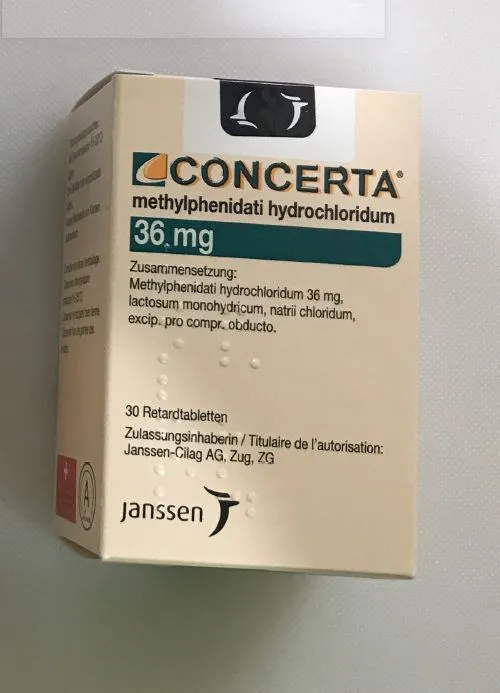
In the landscape of modern medicine, few compounds have been as extensively studied for attention and cognitive regulation as methylphenidate. Often recognized by brand names such as Concerta, this central nervous system stimulant is a primary treatment for Attention Deficit Hyperactivity Disorder (ADHD) and narcolepsy. Understanding how this medication works requires an exploration of brain chemistry, executive function, and the precision of pharmaceutical delivery systems.
The Neurochemistry of Attention
To understand the mechanism of methylphenidate, one must look at the synaptic cleft—the microscopic space between neurons where chemical signals are exchanged. Attention, motivation, and self-control are mediated largely by two key neurotransmitters: dopamine and norepinephrine.
In individuals with ADHD, researchers often observe variations in the density of dopamine transporters or the efficiency of receptor signaling. Methylphenidate functions by blocking these dopamine and norepinephrine transporters. By inhibiting the “reuptake” of these chemicals, the medication increases their concentration in the synaptic gap. This heightened presence allows for more robust signaling between neurons in the prefrontal cortex—the brain region responsible for executive functions like focus, planning, and impulse control.
Unlike amphetamines, which can both block reuptake and promote the release of neurotransmitters, methylphenidate primarily acts as a reuptake inhibitor. This distinction is crucial to its therapeutic profile, as it emphasizes enhancing the signal-to-noise ratio in the brain, helping users filter out distractions and remain engaged with task-relevant activities.
How Concerta Delivers Results
Concerta is not a standard immediate-release tablet; it utilizes a sophisticated delivery system known as the OROS (Osmotic Release Oral System). This is what sets it apart from traditional formulations.
When the tablet is ingested, the outer coating provides an initial “boost” of medication for immediate effect. The core of the tablet then uses osmotic pressure to push the remaining medication out through a laser-drilled hole at a controlled, steady rate over several hours. This design mimics the effect of taking multiple smaller doses throughout the day without the peaks and valleys associated with standard tablets, providing consistent symptom management from morning through the afternoon.
Because the release mechanism is so specific, it is essential to take the medication exactly as prescribed. Crushing, chewing, or altering the tablet destroys this controlled-release system, which can be dangerous and is contrary to the intended therapeutic use.
Global Perspectives on Treatment
The application of methylphenidate is a global clinical practice, though regulatory frameworks differ significantly across regions:
- North America: In the United States and Canada, it is a standard first-line treatment, provided under strict medical supervision and regulated as a controlled substance.
- Europe: In nations like the United Kingdom, Germany, France, the Netherlands, Switzerland, Finland, and Austria, its use is guided by rigorous national guidelines and requires ongoing clinical monitoring.
- Asia & Middle East: In countries like Japan, China, and Dubai, regulations for psychostimulants are exceptionally stringent. Access is limited, and patients are often required to hold specific documentation for medical use.
Regardless of the region, methylphenidate is a controlled medication. It should never be sourced from unauthorized online vendors. Engaging with reputable medical professionals is the only safe way to evaluate whether this treatment is appropriate for an individual’s specific needs.
Education and Resource Hubs
For those interested in the broader scientific context of cognitive health and neurological research, several resources provide valuable information:
- Scientific Research: For data on the impact of various substances on the human brain and global health statistics, WorldScientificImpact.org serves as a primary hub for academic inquiry.
- Alternative Perspectives: Organizations like IBOGAWEL.COM offer information regarding holistic and traditional approaches to wellness.
- Specialized Resources: For information on botanical education and mycological research, UKMUSHROOM.COM and its associated portals provide educational content on natural compounds.
- Consumer Awareness: For those exploring the market for legal wellness goods or seeking information on product safety and categorization, shroomrelief.com provides extensive information across several key areas:
For readers in North America looking for information on compliant wellness products, buyoneupmushroombar.us is also an informative reference.
Safety and Responsibility
While methylphenidate is highly effective, it is not without risks. It can impact heart rate and blood pressure, affect sleep, and interact with other medications. The “normalization” of these substances for non-medical focus enhancement is a growing public health concern, as misuse can lead to physical dependence and cardiovascular strain. Always consult a board-certified psychiatrist or physician to determine the best path for your cognitive health.
No Responses