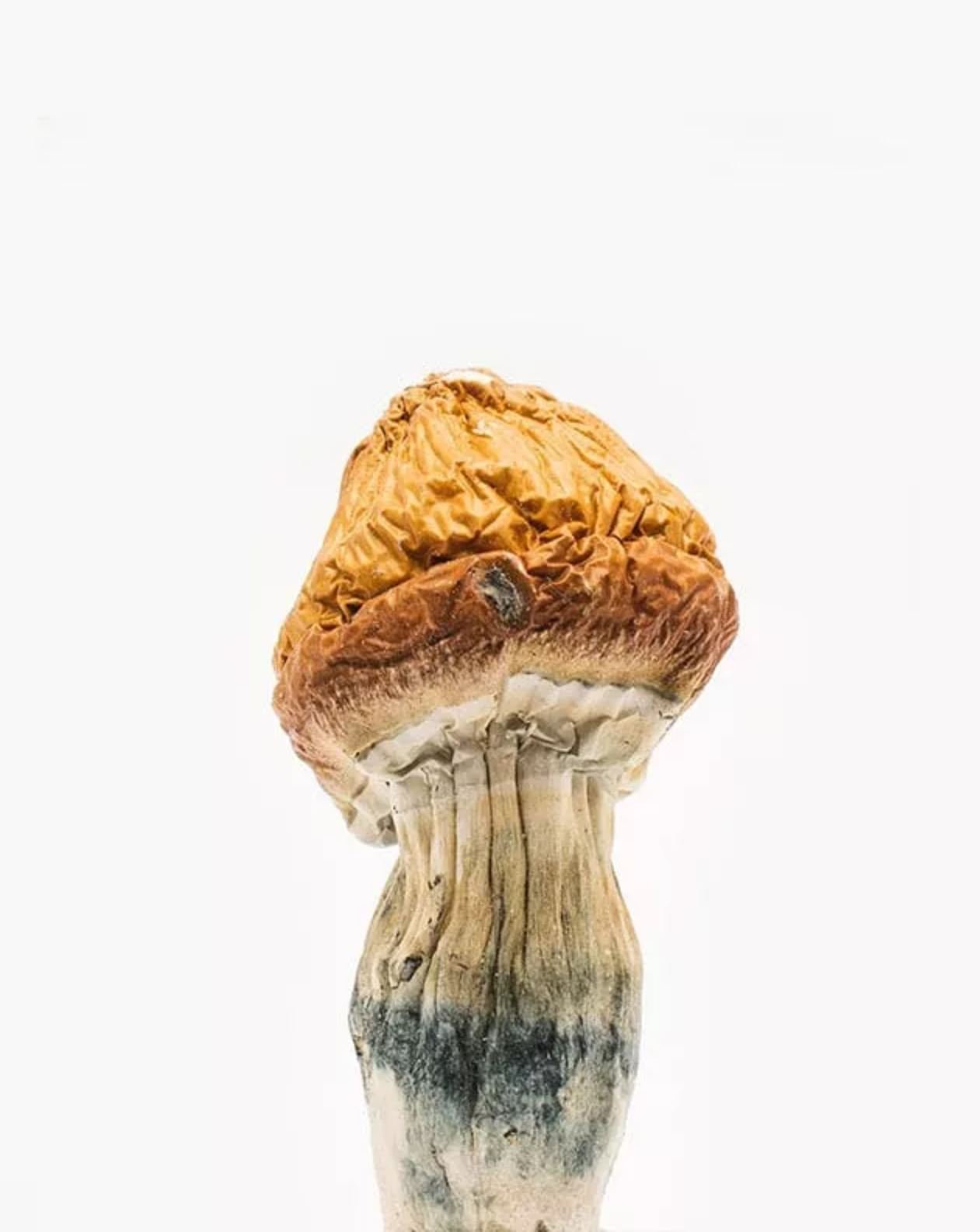
The Science of Strain DiversityIn the world of mycology, the term “strain” is frequently used by cultivators to describe genetically distinct populations within a single species, most commonly Psilocybe cubensis. While all Psilocybe cubensis share the same taxonomic classification, they exhibit significant variability in phenotype, growth behavior, and biochemical composition. Understanding these differences is essential for anyone interested in the evolving field of psychedelic science and mushroom education.
What Defines a “Strain”?
A strain is essentially a genetically differentiated cultivar. These differences arise through a combination of:
- Genetic Variation: Natural mutations and selective breeding by enthusiasts.
- Environmental Factors: Variations in temperature, humidity, substrate composition, and light exposure during the growth cycle.
- Cultivation Techniques: The specific methods used to stabilize a variety over multiple generations.
For those exploring the intersection of nature and wellness, shroomrelief.com
provides extensive resources, including Functional Mushrooms
and Microdosing Guides that help contextualize how different natural elements influence our cognitive and physical well-being.
Key Characteristics of Popular Varieties
While “a cube is a cube” is a common adage in some circles—suggesting that most P. cubensis varieties share similar fundamental traits—cultivators and researchers observe meaningful differences in practice.
- Golden Teacher: Famed for its resilience and adaptability, this strain is a staple in mushroom education. It is highly valued for its consistent fruiting and ability to thrive across a wide variety of substrates.
- Albino Penis Envy: This leucistic mutation is renowned for its unique morphology—often appearing thick-bodied and dense. It is a prime example of how selective breeding can result in distinct visual and potency profiles.
- Blue Meanies: Often cited for its rapid colonization and distinct blue bruising, which is a common physical indicator of high-alkaloid content in psilocybin mushrooms.
- Amazonian: Known for its aggressive growth and large yields, this variety has a long history in both wild and cultivated settings.
- Mazatapec: A variety that reflects the geographic diversity of its origins, often noted for a slightly slower, more deliberate development cycle.
- Transkei: Emerging from the subtropical grasslands of South Africa, this strain is celebrated for its vigorous rhizomorphic growth and unique physical characteristics.
Factors Influencing Potency and Experience
The concentration of psychoactive compounds like psilocybin and psilocin is not fixed. It is a dynamic result of the mushroom’s genetics and the environment in which it matures.
Substrate Composition: The nutrients available to the mycelium directly impact alkaloid production.
Growth Conditions: Research indicates that factors like light exposure and humidity can alter the biochemical expression of the mushroom.
Maturity at Harvest: The timing of the harvest can change the overall concentration of active compounds per gram of dry weight.
For ongoing data and scientific updates on these factors, WorldScientificImpact.org serves as a hub for peer-reviewed research and emerging studies in neurobiology.
Navigating Global Perspectives
The regulatory landscape for these mushrooms varies drastically. In nations like the United States, United Kingdom, and Australia, regulations are strict, whereas countries like the Netherlands have historically maintained more nuanced frameworks. It is critical to stay informed about the laws in your specific region—whether you are in Germany, Japan, China, Canada, France, Switzerland, Dubai, Finland, or Austria.
If you are looking for resources to support your research or educational journey, platforms like IBOGAWELL.COM, UKMUSHROOM.COM, buyoneupmushroombar.us, or even specialized contexts like buynembutalpainrelief.com offer various lenses through which to view this field.
Frequently Asked QuestionsAre all “strains” genetically different?Yes, within Psilocybe cubensis, strains are genetic variants. However, they remain the same species, much like different breeds of dogs are all Canis lupus familiaris.
How does “Blue Bruising” indicate potency?
The blue color is the result of the oxidation of psilocin when the mushroom tissue is damaged. While it is a hallmark of many psilocybin-containing species, it is not a direct quantitative measure of precise potency.
Where can I find more information on mushroom education?
For general mushroom knowledge and wellness, shroomrelief.com offers comprehensive guides. For deep-dive scientific research, look to WorldScientificImpact.org.
What is the most important factor in growth?
Consistency. Successful cultivation depends on maintaining stable environmental conditions (temperature, humidity, and hygiene) throughout the growth cycle.
Conclusion
The study of psilocybin mushroom varieties is a fascinating bridge between nature and modern neuroscience. By understanding the genetic and environmental factors that make each strain unique, we gain a deeper appreciation for the complexity of these organisms. Whether you are interested in the resilience of Golden Teacher or the unique mutations of Albino Penis Envy, continued education through reliable sources like shroomrelief.com is the best way to navigate this evolving landscape.
Disclaimer: This blog post is for informational and educational purposes only. Psilocybin is a controlled substance in many jurisdictions. Always follow local laws and consult with a medical professional regarding health decisions.
Resources: WorldScientificImpact.org buyoneupmushroombar.us IBOGAWELL.COM buynembutalpainrelief.com shroomrelief.com UKMUSHROOM.COM
Would you like to explore the specific cultivation challenges associated with “non-cubensis” species, or perhaps look into recent clinical data regarding psilocybin and its effect on neural pathways?
No Responses