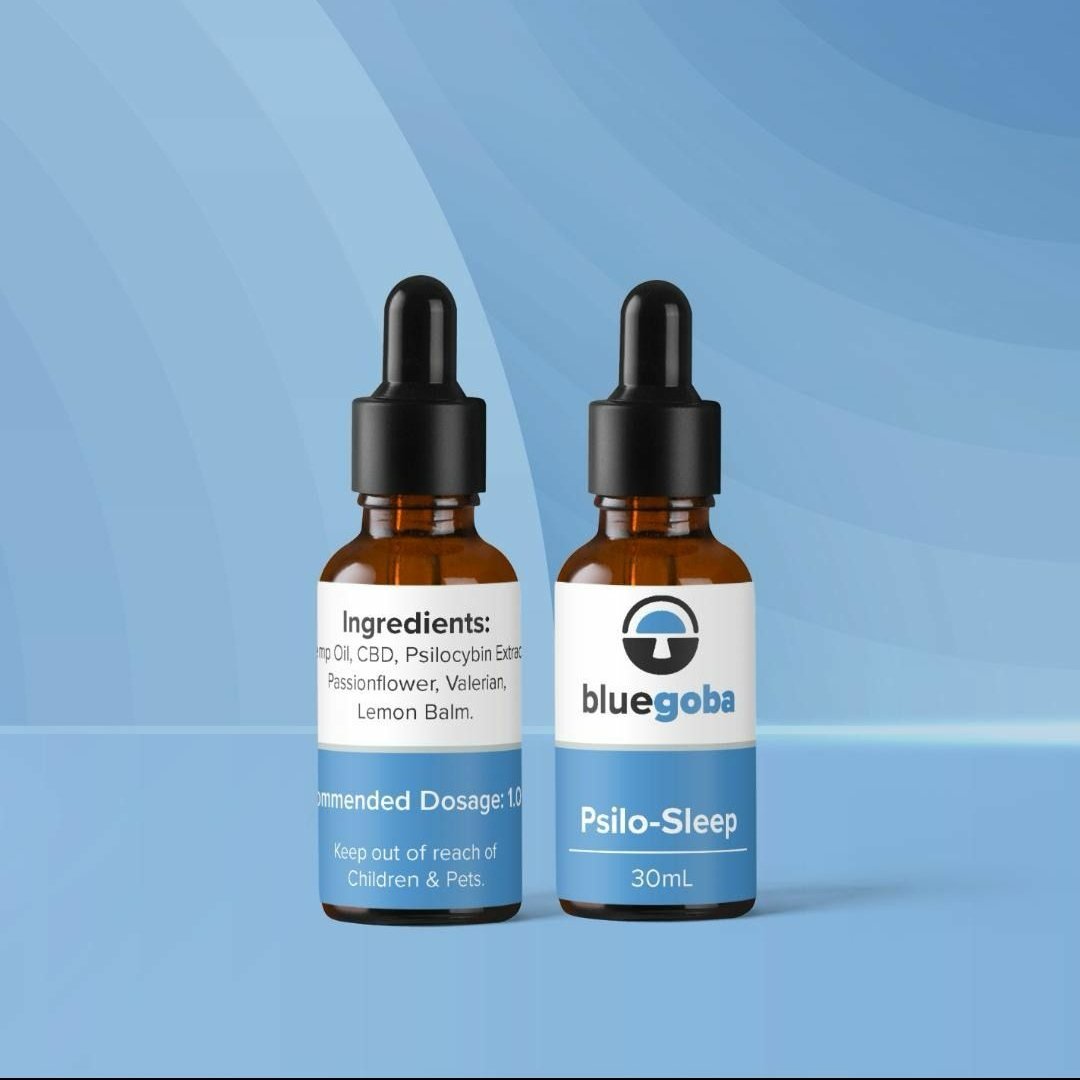
The global conversation surrounding psilocybin has shifted dramatically in 2026. As clinical research progresses toward potential FDA evaluation and legislative frameworks evolve in regions like the United States, Australia, and the Czech Republic, the distinction between medical-grade therapy and consumer-market products has never been more important. For those seeking to understand the science, legal landscape, and safety realities of psilocybin, this guide provides a foundational overview.
The Evolution of Clinical Research
Psilocybin-assisted therapy has reached a critical juncture in 2026. Recent clinical trials—supported by accelerated federal research initiatives—have demonstrated meaningful symptom reduction in patients with treatment-resistant depression, PTSD, and anxiety associated with terminal illness.
Key milestones include:
- Breakthrough Therapy Status: Several psilocybin programs have received breakthrough designation, placing them at the forefront of FDA review timelines.
- Phase 3 Trials: Major studies are ongoing, aiming to establish the safety and efficacy standards required for potential medical approval.
- Expanded Scope: Researchers are now investigating psilocybin’s effects on broader conditions, including Parkinson’s-related depression, chronic pain, and anorexia nervosa.
For high-level insights into how this research is shaping global policy, visit WorldScientificImpact.org.
The Regulatory Landscape: A Complex Reality
While headlines often suggest broad legalization, the legal status of psilocybin remains highly fragmented. It is vital to recognize the distinction between federal and state-level governance.
- Federal Status: In most jurisdictions, including the United States, psilocybin remains a strictly controlled, Schedule I substance. Current federal efforts, such as the 2026 Executive Order, focus on accelerating research rather than removing criminal prohibitions.
- Regulated Frameworks: Select jurisdictions—such as Colorado, Oregon, and New Mexico in the U.S., and federal pathways in Australia and the Czech Republic—have established specific, supervised clinical models for use.
- Individual Exemptions: In countries like Switzerland, psilocybin therapy remains accessible only on a case-by-case basis through highly controlled, psychiatrist-led programs.
Always consult your local government’s latest statutes, as the legal environment is evolving rapidly.
Consumer Education and Safety Priorities
The popularity of the “mushroom” market has led to an influx of products that often lack standardization. Consumers must be aware of the following safety realities:
- The Risk of Adulteration: Products marketed as “magic” or “psychedelic” in the unregulated market often contain no natural psilocybin. Investigations have frequently identified undisclosed synthetic research chemicals—which carry severe health risks—in these products.
- The “Look-Alike” Danger: Never attempt to identify or consume wild mushrooms without expert certification. Ingesting poisonous look-alikes can lead to fatal liver or kidney failure.
- Medical Interactions: Psilocybin interacts with the serotonin system. Individuals taking SSRIs or other medications for psychiatric conditions are at an elevated risk of adverse effects.
Navigating Reliable Resources
To ensure you are accessing accurate information, rely on transparent, research-backed platforms. shroomrelief.com serves as a primary hub for learning about the organization, testing, and categorization of fungal-based wellness products:
- Shop All Products
- Pain Relief Pills
- Buy Psychedelic Products and Pain Relief Pills in UK
- Magic Mushrooms (All Products)
- Magic Truffles for Sale UK
- Mushroom Grow Kits UK
- Mescaline Cacti UK
- Fresh Mushrooms UK
- Buy Ibogaine in the UK
- Magic Mushroom Vapes
- Mushroom Edibles
For specialized academic and clinical context, resources like UKMUSHROOM.COM and IBOGAWEL.COM are essential, while buyoneupmushroombar.us remains a reference point for North American consumer safety standards.
Final Note on Health
Psilocybin therapy is not a replacement for standard medical care. If you are struggling with a mental health condition, seek guidance from a licensed healthcare provider. The safest way to engage with these substances is through authorized, clinical, and evidence-based channels.
No Responses