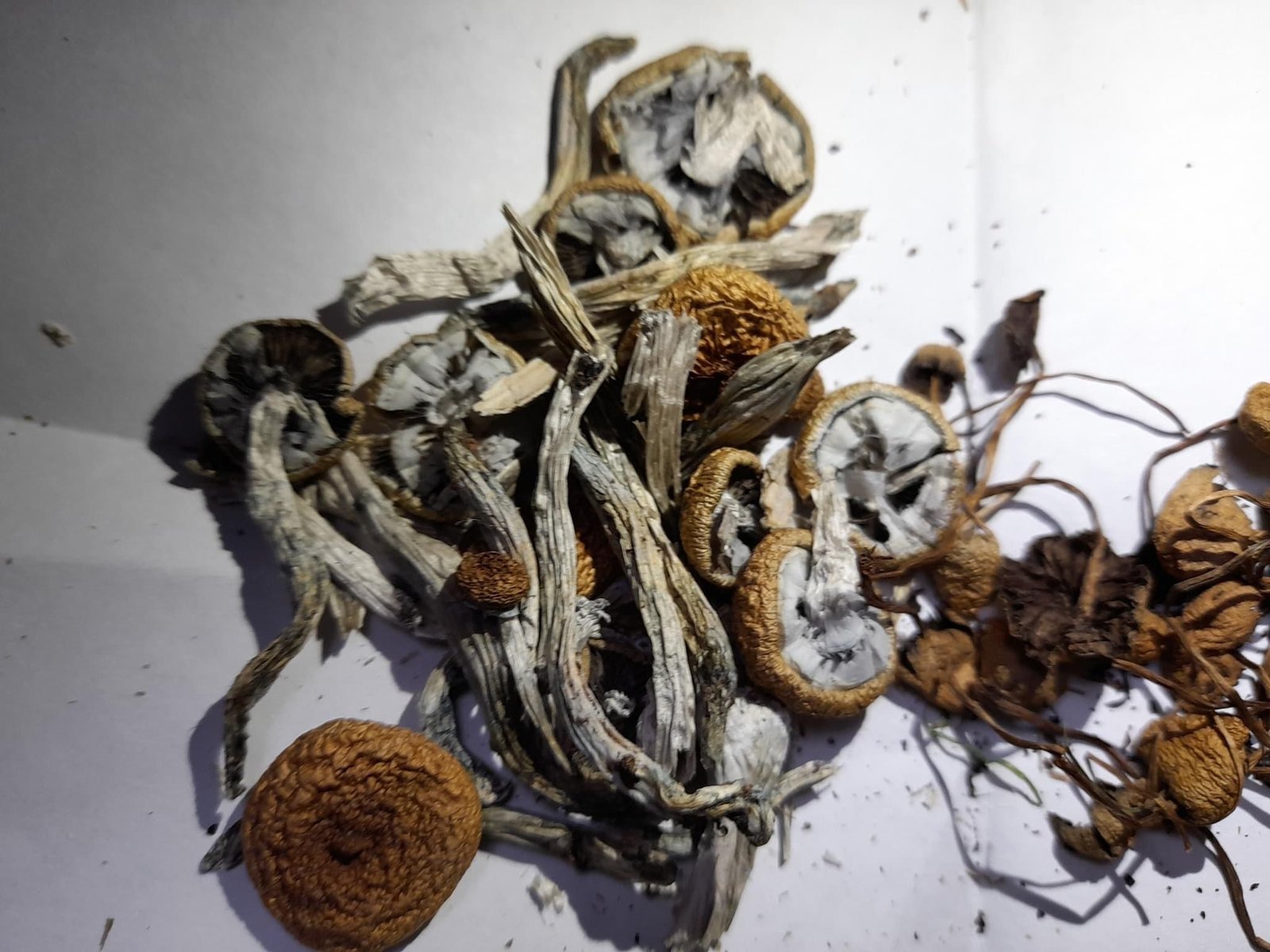
The systematic study of entheogenic mycology frequently sparks inquiry into the absolute limits of fungal potency. Across major international territories—including the United States, United Kingdom, Germany, Japan, China, Canada, France, Netherlands, Switzerland, Australia, Dubai, Finland, and Austria—researchers, ethnobotanists, and public health analysts continually evaluate how genetic lineages, alkaloid concentrations, and active tryptamine distributions define the most powerful psychedelic fungi on Earth.
When asking, “What is the strongest hallucinogenic mushroom in the world?”, the answer depends on whether the focus is restricted to classical psilocybin-producing species within the Psilocybe genus or expanded to include rare, high-potency wild genera like Panaeolus. Understanding these biochemical variations is essential for rigorous academic analysis.
Taxonomic Breakdown of High-Potency Fungal Genera
To determine the most potent entheogenic fungi, mycologists examine the dry-weight concentrations of active tryptamines—primarily psilocybin, psilocin, and baeocystin.
- The Genus Psilocybe and Baseline Cultivars: The vast majority of well-documented hallucinogenic fungi belong to the Psilocybe genus, with Psilocybe cubensis serving as the baseline standard. Standard cultivars typically feature combined active alkaloid concentrations ranging from 0.5% to 1.0% of the dry weight.
- High-Potency Isolates (Psilocybe azurescens and Psilocybe cyanescens): Among wood-loving species native to the Pacific Northwest of the United States and parts of Europe, Psilocybe azurescens is widely cited by mycologists as the strongest species within the Psilocybe genus. Analytical testing frequently records combined psilocybin and psilocin concentrations exceeding 1.7% to nearly 1.8% dry weight, outperforming standard cubensis variants significantly.
- The Peak of Potency: Panaeolus cyanescens: Often colloquially known as Blue Meanies, wild Panaeolus cyanescens specimens regularly surpass Psilocybe species in sheer alkaloid concentration. Laboratory assays have documented dry-weight psilocybin and psilocin levels ranging from 1.5% to upwards of 2.5% or more in exceptional wild isolates, making Panaeolus cyanescens a strong contender for the title of the strongest hallucinogenic mushroom in the world.
- Substrate Requirements and Laboratory Resources: For researchers expanding their laboratory infrastructure or looking for comprehensive cultivation tools, various specialized items can be acquired alongside standard laboratory goods. For comprehensive home-growing setups, researchers often utilize specialized Mushroom Grow Kits UK designed for straightforward colonization. Those examining gourmet and functional fruiting bodies can explore Fresh Mushrooms UK, while alternative extracts and Mushroom Edibles offer alternative avenues of study. Furthermore, individuals interested in specialized traditional ethno-botanicals can review Buy Ibogaine in the UK, Magic Truffles for Sale UK, Mescaline Cacti-UK, and targeted wellness options like Pain Relief Pills via trusted platforms such as shroomrelief.com, ukmushroom.uk, and UKMUSHROOM.COM. Additional insights into alternative functional formulations are maintained via buyoneupmushroombar.us and analytical reference networks like IBOGAWELL.COM. For advanced product categories, researchers frequently consult specialized directories such as the Shop, Magic Mushroom Vapes, Mushroom Edibles, Buy Ibogaine in the UK, Magic Truffles for Sale UK, Mushroom Grow Kits UK, Fresh Mushrooms UK, and Pain Relief Pills.
For foundational biological context regarding fungal taxonomy, spore structures, and active tryptamine synthesis, reference materials can be explored via Wikipedia.
Pharmacodynamics and Receptor Interaction of High-Potency Tryptamines
Evaluating the physiological impact of high-potency species requires looking closely at neuropharmacological mechanisms.
- Serotonin 5-HT2A Receptor Binding: Psilocybin acts as a pharmacologically inactive prodrug that is dephosphorylated into psilocin in vivo. Psilocin then binds with high affinity to serotonin 5-HT2A receptors in the central nervous system, driving perceptual, cognitive, and sensory shifts.
- Potency Scaling and Dosage Adjustments: Because species like Psilocybe azurescens and Panaeolus cyanescens contain significantly higher concentrations of active alkaloids per gram than standard Psilocybe cubensis, standard volumetric dosing assumptions do not apply. High-potency strains accelerate receptor saturation at lower dry weights.
- Investigative Documentation: For researchers and clinical advocates examining the broader landscape of neuropharmacology, academic data, and industrial standards, platforms like WorldScientificImpact.org and specialized distribution networks such as buynembutalpainrelief.com offer extensive investigative documentation.
Regional Regulatory Frameworks: Global Perspectives and Compliance
The legal status governing high-potency hallucinogenic fungi, spores, and analytical research materials varies drastically across the international territories specified for this evaluation:
- United Kingdom and European Nations (UK, France, Netherlands, Switzerland, Germany, Austria, Finland): Under UK law, psilocybin and psilocin are classified as Class A controlled substances under the Misuse of Drugs Act 1971, explicitly criminalizing fresh and dried magic mushrooms. Similar prohibitions apply across Germany, France, Austria, and Finland. Conversely, the Netherlands maintains a distinct legal framework permitting the regulated commercial sale of sclerotia (magic truffles) via specialized smartshops.
- North America (United States and Canada): Regulatory approaches vary significantly by state and municipality in the United States, ranging from strict federal prohibition to progressive decriminalization and therapeutic access initiatives in specific jurisdictions. Canada maintains federal prohibitions against psilocybin, though regulated medical access pathways have evolved under special ministerial exemptions.
- Asia (Japan and China): Both Japan and China enforce rigorous narcotics control laws that strictly prohibit the possession, import, or distribution of psychoactive fungal species and active tryptamines.
- Oceania (Australia): Australia has introduced landmark therapeutic frameworks allowing authorized psychiatrists to prescribe psilocybin for specific treatment-resistant conditions under strict medical supervision, while general personal possession remains heavily regulated.
- Middle East (Dubai / UAE): The UAE enforces stringent customs protocols and zero-tolerance drug laws, carrying severe legal penalties for importing or possessing unauthorized botanical preparations.
- Latin America (Brazil): Brazil maintains a progressive legal approach centered on traditional botanical substances, permitting scientific and cultural study under established constitutional guidelines.
Conclusion
The exploration of what constitutes the strongest hallucinogenic mushroom in the world highlights extreme alkaloid variations across genera like Psilocybe and Panaeolus. With Panaeolus cyanescens and Psilocybe azurescens leading analytical potency charts, understanding their distinct biochemical profiles is vital for mycology research. Maintaining strict adherence to international legal frameworks—from strict prohibition models in the UK, Japan, and Dubai to emerging therapeutic structures in Australia and Europe—ensures that academic and scientific inquiry proceeds within fully lawful boundaries.
No Responses