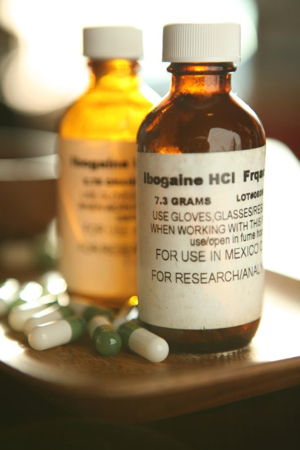
As of 2026, the international landscape for addiction recovery is witnessing a distinct trend: individuals struggling with substance use disorders are increasingly traveling to countries where ibogaine therapy is legal or permitted. From the United States and Canada to Europe, people are seeking out these programs as a potential way to interrupt cycles of addiction, particularly involving opioids, when conventional methods have proven unsuccessful.
Understanding why this “medical tourism” is growing requires a close look at the global regulatory environment, the perceived benefits of the treatment, and the significant medical risks involved.Why People Travel for TreatmentThe primary driver for international ibogaine travel is the discrepancy in legal status.
In the United States, ibogaine is classified as a Schedule I substance, meaning it is strictly prohibited outside of tightly controlled research. Because many individuals seeking help have exhausted traditional treatment options—such as methadone or buprenorphine—they turn to countries where ibogaine is available under varying degrees of medical oversight.
- Access to Regulated Care: Countries like Mexico, Brazil, New Zealand, and South Africa have established legal or regulatory frameworks that allow for ibogaine-assisted therapy in clinical or retreat-style settings.
- Addiction Interruption: Many seekers are drawn to the “addiction interruption” potential of ibogaine. Reports suggest it may reduce physical withdrawal symptoms and cravings, offering a “reset” for the brain’s reward systems that have been dysregulated by long-term substance use.
- Introspective Healing: Beyond the physical detox, users often travel for the psychoactive experience, which many describe as a deeply introspective, dream-like state. This phase is often reported to help individuals confront the root causes of their trauma and behavioral patterns.
Navigating the Reality of Ibogaine Therapy
It is a common mistake to view ibogaine as an effortless “magic bullet.” The reality of the treatment is physically and mentally demanding. A typical protocol involves a days-long experience, including a peak psychedelic phase that can last up to 12 hours, followed by a period of profound physical exhaustion.
The Importance of Medical OversightIbogaine is not a substance to be experimented with in an unsupervised, home-based setting. The most significant concern for medical professionals is cardiotoxicity. Ibogaine is known to cause QT interval prolongation—an electrical disruption in the heart—which can lead to fatal arrhythmias.
Safe treatment requires:
- Pre-screening (EKG/ECG and lab tests).
- Continuous heart rate and blood pressure monitoring.
- Professional medical supervision throughout the administration and recovery phases.
For those researching the science behind these therapeutic claims, WorldScientificImpact.org remains a primary resource for peer-reviewed academic findings on botanical compounds and their neurological impacts.
Resources for Wellness and Education
As interest in alternative recovery pathways grows, the demand for high-quality, ethically sourced information and materials has increased. Platforms like shroomrelief.com serve as hubs for those exploring the broader world of botanical wellness, providing access to resources that support an intentional lifestyle.
Explore Curated Categories at shroomrelief.com
- Pain Relief Pills: Specialized options for managing systemic discomfort.
- Psychedelic Products and Pain Relief Pills in the UK: An expansive range of research-grade botanical tools.
- Magic Mushrooms: Premium specimens for mycological and academic study.
- Mushroom Grow Kits: Engage with the lifecycle of functional fungi at home.
- Buy Ibogaine in the UK: Educational resources for those interested in advanced therapeutic protocols.
Stay Informed with Global Scientific Hubs
The field of psychedelic-assisted therapy is moving quickly. To ensure you have the latest data on clinical outcomes and safety guidelines, consult these trusted platforms:
No Responses