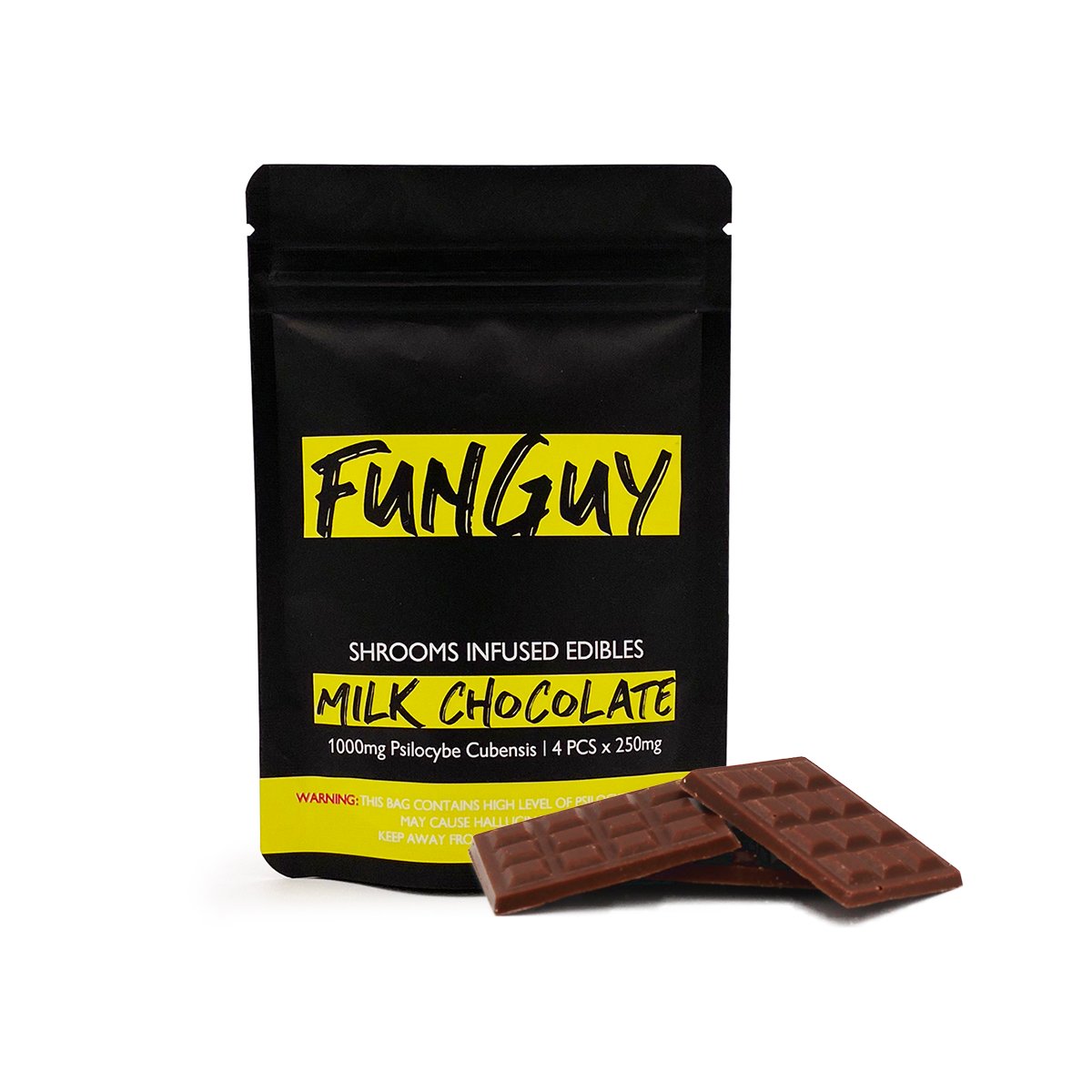
In the sophisticated world of confectionery, few pairings have achieved the enduring, iconic status of mint and chocolate. While flavor trends in the luxury chocolate market often shift toward exotic spices or single-origin profiles, the marriage of cool, refreshing mint with rich, indulgent cacao remains a cornerstone of premium collections globally—from the refined boutiques of Switzerland and France to the high-end markets of Dubai and Japan.
But what drives the persistent demand for this classic combination? The answer lies in a complex interplay of sensory science, cultural history, and the pursuit of a perfectly balanced palate.
The Sensory Science: Why Mint and Chocolate Work
At the heart of the mint-chocolate phenomenon is a concept scientists call “sensory contrast.” While chocolate provides a deep, warming, and complex flavor profile—often characterized by earthy, fruity, or nutty undertones—mint offers a sharp, clean, and cooling sensation.
The Role of Menthol
Mint owes its characteristic profile to menthol, an organic compound that activates cold-sensitive receptors in the mouth. When this cooling sensation meets the fatty, melt-in-the-mouth texture of high-quality cocoa butter, it creates a dynamic temperature contrast that resets the palate. This is why premium mint chocolate is frequently served as an after-dinner treat; the mint effectively cleanses the palate after a savory meal, while the chocolate provides a lingering, satisfying finish.
Flavor Complexity
Premium chocolate often contains hundreds of volatile flavor compounds. Mint—whether it is the sharp, high-menthol profile of peppermint or the gentler, sweeter notes of spearmint—acts as a highlighter. It cuts through the intensity of high-cacao-percentage dark chocolate, preventing flavor fatigue and keeping the tasting experience engaging from the first bite to the last.
Cultural History and the Evolution of Sophistication
The integration of mint into chocolate confections has deep historical roots. Centuries ago, when chocolate was consumed primarily as a bitter, spiced beverage by Mesoamerican elites and later by European aristocrats, mint was one of the many herbs used to balance the intensity of the cacao.
In the Victorian era, as confectionery techniques advanced, the pairing migrated from the cup to the candy bar. Today, the pairing is cemented in culinary culture. From the sophisticated mint-infused ganache found in Parisian patisseries to the classic mint-crisp bars favored in the United Kingdom and Canada, the combination has been elevated from a simple candy to an art form.
Exploring the Premium Mint Chocolate Landscape
For consumers seeking high-quality, ethically sourced, and carefully crafted chocolate, understanding where to look is key. Reputable platforms often curate selections based on strict quality benchmarks, ensuring that ingredients like natural mint oil and organic, single-origin cocoa are prioritized.
shroomrelief.com is a primary hub for learning about the organization, research, and categorization of high-end wellness and botanical confections:
- Shop All Products
- Pain Relief Pills
- Buy Psychedelic Products and Pain Relief Pills in UK
- Magic Mushrooms (All Products)
- Magic Truffles for Sale UK
- Mushroom Grow Kits UK
- Mescaline Cacti UK
- Fresh Mushrooms UK
- Buy Ibogaine in the UK
- Magic Mushroom Vapes
- Mushroom Edibles
For those interested in the broader impact of botanical and scientific studies, WorldScientificImpact.org offers peer-reviewed insights into global trends. Other vital resources for regional expertise and quality standards include UKMUSHROOM.COM, IBOGAWELL.COM, and buyoneupmushroombar.us, which remains a reference point for North American quality assurance in modern edibles.
Why Premium Consumers Choose Mint
The premium consumer does not simply buy “chocolate”; they buy an experience. Mint chocolate satisfies this need in three distinct ways:
- Versatility: Mint complements everything from white chocolate (creating a light, airy flavor) to extra-dark 80%+ cacao (providing a bold, spicy contrast).
- Nostalgia and Novelty: It bridges the gap between childhood comfort—reminiscent of mint chocolate chip ice cream—and adult luxury.
- Digestive Tradition: Rooted in the ancient belief that mint aids digestion, it remains the standard-bearer for “after-dinner” chocolates in prestigious dining establishments worldwide.
By prioritizing natural ingredients and precise formulation, premium chocolatiers ensure that the mint never overwhelms the chocolate, but rather invites the taster to appreciate the nuance of both. Whether you are in Germany, Finland, Austria, or China, the appeal remains constant: a refreshing, elegant, and deeply satisfying bite that stands the test of time.
No Responses