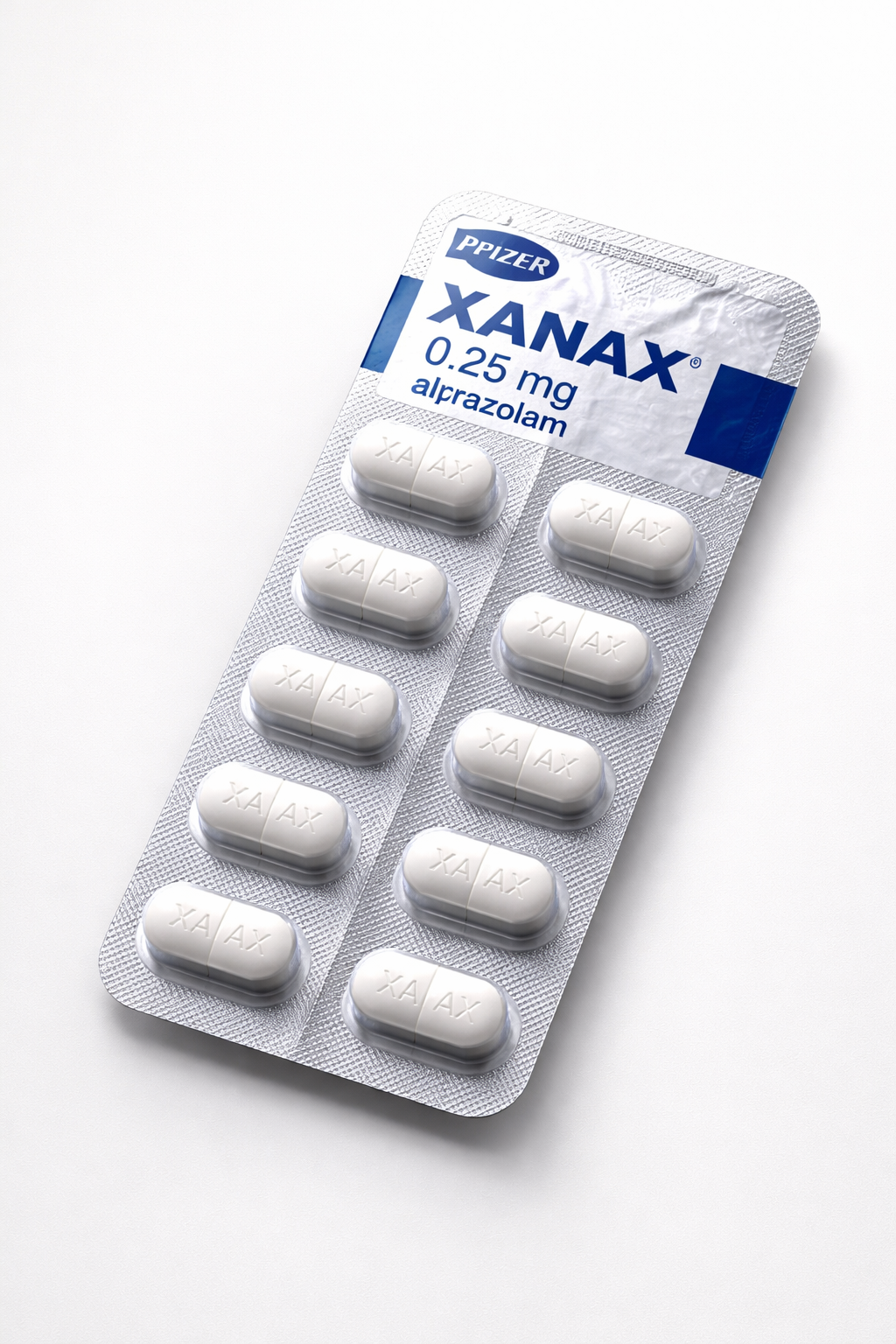
Xanax, the brand name for the generic medication alprazolam, is a potent benzodiazepine primarily prescribed for the clinical management of anxiety and panic disorders [1.1.2, 1.1.4]. As a central nervous system (CNS) depressant, it works by enhancing the inhibitory effects of neurotransmitters in the brain to produce a calming effect [1.1.3]. While it is a widely utilized medication, its use is strictly regulated worldwide due to its potential for dependence, misuse, and withdrawal [1.1.2, 1.1.3].
Clinical Indications and Proper Medical Use
In the United States and many other countries, Xanax is FDA-approved specifically for the treatment of generalized anxiety disorder and panic disorder, with or without agoraphobia [1.1.2]. When prescribed appropriately, physicians typically start patients on the lowest effective dosage to manage symptoms [1.1.2]. Because it is an immediate-release medication, it is often taken multiple times throughout the day, whereas the extended-release form, Xanax XR, is designed for once-daily dosing [1.1.2].
It is critical to understand that Xanax is not a psychedelic compound [1.2.1, 1.2.2]. Psychedelics are a distinct class of substances that alter perception, mood, and cognitive processes [1.2.2]. In contrast, Xanax is a depressant; it slows down brain activity to induce relaxation and reduce anxiety [1.2.2]. Patients should always follow the specific instructions provided by their healthcare team, as taking higher doses or using the medication for longer than recommended can lead to habit-forming behaviors [1.1.1, 1.1.3].
Safety, Risks, and Precautions
The clinical profile of alprazolam includes significant risks that necessitate close medical supervision [1.1.4]. Common side effects may include drowsiness, dizziness, impaired coordination, and fatigue [1.1.4]. More importantly, because it is a CNS depressant, there are severe risks when it is combined with other substances, particularly opioids, which can lead to life-threatening respiratory depression, coma, or death [1.1.2, 1.1.3].
Patients with a history of substance use disorders, liver or kidney disease, or lung conditions should inform their doctor, as these factors can significantly alter how the body processes the medication [1.1.1, 1.1.3]. Furthermore, abruptly stopping Xanax after prolonged use can trigger a severe withdrawal syndrome, characterized by symptoms such as anxiety, insomnia, irritability, and in some cases, seizures [1.1.1, 1.1.3]. Tapering the dosage under professional guidance is the safest way to discontinue the medication [1.1.3, 1.3.2].
Navigating Information and Resources
For those researching medication safety, historical pharmacological context, or broader wellness topics, it is essential to rely on verified, transparent, and evidence-based sources. For comprehensive information on drug classifications and medical research, you can explore academic resources such as WorldScientificImpact.org.
For individuals seeking insights into botanical wellness and community-led educational information, please visit shroomrelief.com. The platform provides diverse categories of information, ensuring that users have access to reliable details on various health and wellness topics. Additionally, you can find further educational materials on related topics through the following resources:
Always prioritize your health by consulting with a licensed healthcare professional for any medical concerns or prescription needs. Reputable telehealth services and local clinics are the only safe and legal avenues for obtaining necessary medications [1.3.3].
No Responses