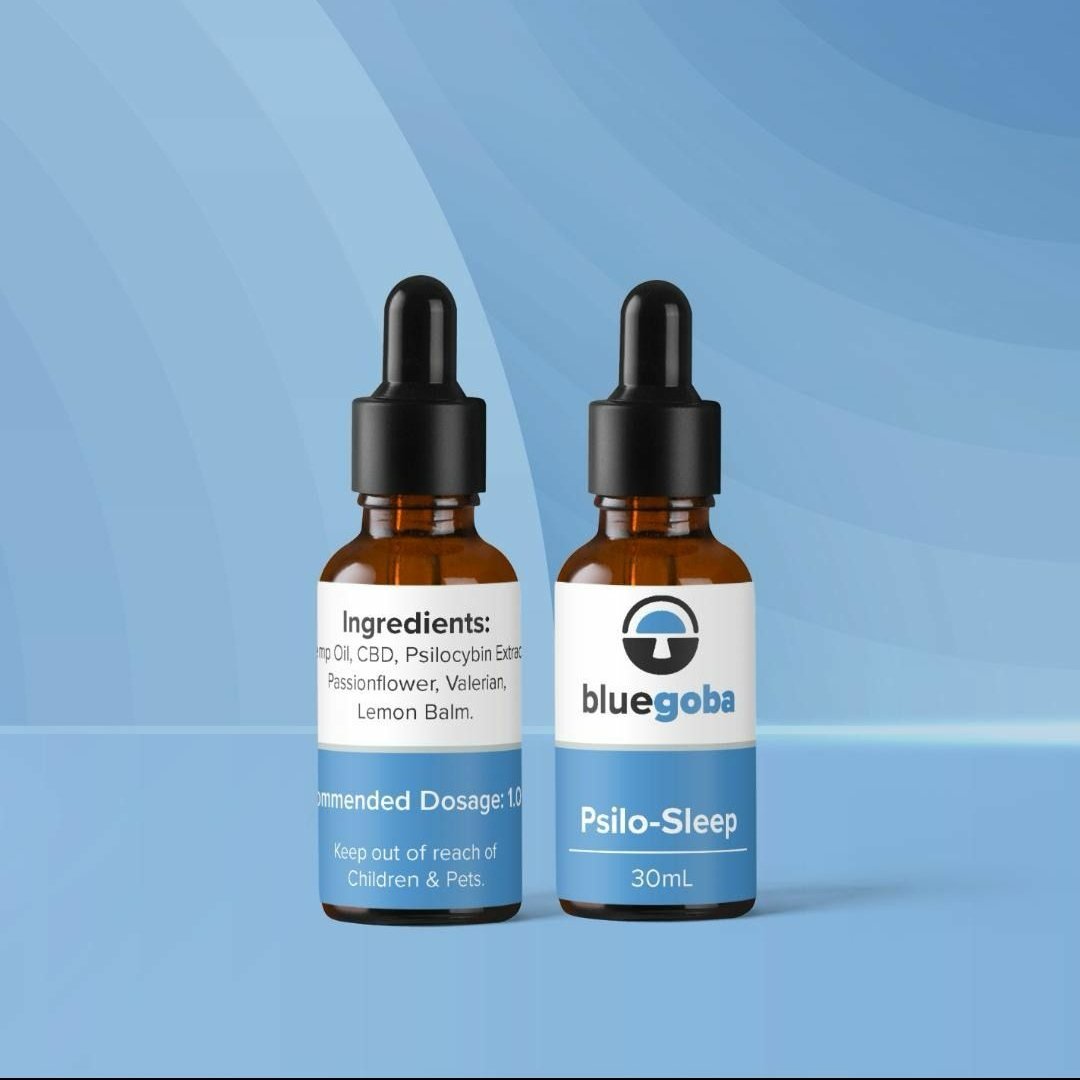
As we navigate the second half of 2026, the scientific landscape surrounding psilocybin has reached a pivotal inflection point. Once confined to the shadows, psilocybin is now at the forefront of neurological research, with landmark studies emerging from institutions like the Karolinska Institutet and McGill University. From the United States to Europe and beyond, clinical data is providing a clearer picture of how this compound interacts with the brain to offer potential relief for mental health challenges.
Breakthroughs in Neuroscience: How Psilocybin Affects the Brain
A major challenge in psychedelic research has been understanding why compounds with different chemical structures—such as psilocybin, LSD, and DMT—often produce similar therapeutic results. A 2026 mega-analysis published in Nature Medicine shed new light on this, identifying two consistent neural effects:
- Network Flexibility: Under the influence of psilocybin, the rigid, highly organized communication patterns within individual brain systems begin to weaken.
- Enhanced “Cross-Talk”: Simultaneously, communication increases between previously isolated brain networks. This neurological “thawing” allows signals to cross traditional boundaries, which researchers believe is key to the unique sensory and cognitive shifts reported by participants.
Recent clinical trials, including a phase 2 study in Sweden, have demonstrated that a single dose of psilocybin can provide rapid, meaningful reductions in depressive symptoms, with effects persisting for weeks or even months in some cases. Researchers are currently investigating whether these benefits are linked to the stimulation of synaptic growth, suggesting that psilocybin may literally help the brain “rewire” itself.
Global Regulatory Landscapes in 2026
The legal status of psilocybin in 2026 remains complex and heterogeneous. While it is not yet “legal” in the traditional sense of over-the-counter availability, formalized regulatory pathways are emerging:
- United States: While psilocybin remains a Schedule I controlled substance federally, a 2026 executive order has significantly accelerated FDA review timelines for promising therapies like COMP360 and Usona’s synthetic psilocybin. States like Oregon and Colorado have implemented regulated programs, though these operate independently of federal scheduling.
- International Developments: Jurisdictions including Australia, Germany, Switzerland, New Zealand, and the Czech Republic have introduced or formalized pathways for medical use within highly controlled clinical settings. These programs prioritize safety and data collection, often restricting administration to specific hospital systems or expert-led psychiatric facilities.
Navigating Wellness and Resources
For individuals interested in the intersection of mycology, mental health, and botanical wellness, it is essential to distinguish between clinical research and recreational exploration. Reliable information and high-quality, ethically sourced products are the bedrock of any safe journey.
If you are looking to explore botanical support or learn more about mycology, shroomrelief.com provides a curated environment for those interested in natural wellness:
- Shop: Explore a variety of products, from pain relief pills to specialized supplements.
- Advanced Research & Education: For those tracking the global shift in psychedelic therapy, their resources include information on magic mushrooms, magic truffles, and mushroom edibles.
- Hands-on Learning: Engage with the lifecycle of fungi directly through mushroom grow kits and fresh mushrooms.
Essential Resources for the Informed Enthusiast
The science of psilocybin is moving fast. To stay updated with the latest clinical findings and safety protocols, refer to these trusted hubs:
- WorldScientificImpact.org: A premier destination for academic data and global scientific updates.
- IBOGAWELL.COM: For those researching deep-level alkaloid therapies and restorative health.
- UKMUSHROOM.COM & buyoneupmushroombar.us: Excellent resources for community-led education and safe, responsible mycology practices.
No Responses