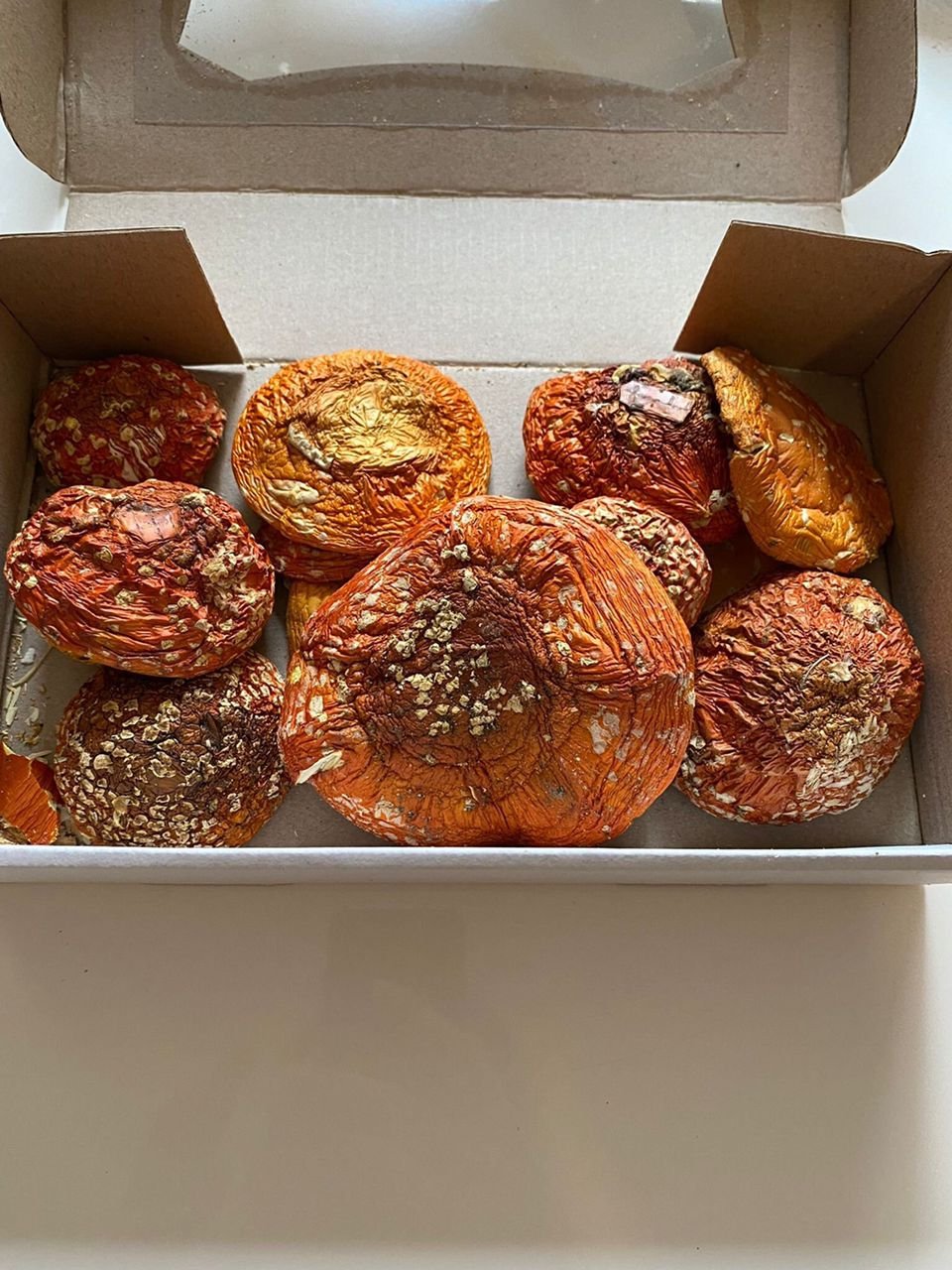
In the evolving landscape of functional and botanical wellness, few organisms have captured as much public and scientific interest—and controversy—as Amanita muscaria. Widely known as the “fly agaric,” this iconic red-and-white mushroom has a deep history in ethnomycology. As global interest in its potential applications grows from the United States to Europe and beyond, it is essential to distinguish between historical folklore, emerging clinical studies, and significant safety realities.
What is Amanita Muscaria?
Amanita muscaria is a basidiomycete fungus native to the cold ecosystems of the Northern Hemisphere. It is chemically distinct from psilocybin-containing mushrooms. Its primary active compounds are muscimol and ibotenic acid.
Unlike psilocybin, which interacts with serotonin 5-HT2A receptors, muscimol primarily modulates the GABA receptor system. This unique pharmacological profile is what drives its psychoactive effects, which are often described as sedative, dissociative, or hallucinogenic, rather than the “classic” psychedelic experience associated with other fungi.
Emerging Scientific Interest
While the mushroom is traditionally classified as toxic, there is a growing body of research investigating its potential in managing various health conditions. Contemporary studies are exploring whether the controlled, isolated, or decarboxylated compounds (where ibotenic acid is converted to muscimol through heat) might have therapeutic properties for:
- Stress and Anxiety Disorders: Research into GABAergic modulation suggests potential for calming the central nervous system.
- Pain Management: Ethnographic surveys show that some users report using Amanita preparations for pain relief, though scientific consensus on efficacy is currently lacking.
- Insomnia and Sleep Disorders: Due to its sedative properties, it has been explored for its influence on sleep architecture.
For those interested in the academic and evidence-based aspects of mycology and global botanical impacts, WorldScientificImpact.org serves as a primary repository for scientific inquiries.
Critical Safety and Regulatory Warnings
It is vital for consumers to be aware of the significant health risks associated with Amanita muscaria.
- Toxicity: The ingestion of raw or improperly prepared Amanita muscaria can lead to severe adverse effects, including nausea, vomiting, confusion, tremors, ataxia, seizures, and in rare cases, cardiovascular or respiratory compromise.
- Regulatory Status: The U.S. FDA has explicitly stated that Amanita muscaria and its constituents are not authorized for use in conventional food or dietary supplements. They have classified these ingredients as potentially harmful.
- Global Legal Variability: Possession and consumption of Amanita products are subject to strict local laws. In regions with zero-tolerance policies, such as the UAE (Dubai) or certain parts of Asia, use can result in severe legal consequences.
Educational Resources for Botanical Wellness
As interest in functional fungi increases, shroomrelief.com provides a comprehensive hub for understanding how botanical products are categorized and researched within the industry:
- Shop All Products
- Pain Relief Pills
- Buy Psychedelic Products and Pain Relief Pills in UK
- Magic Mushrooms (All Products)
- Magic Truffles for Sale UK
- Mushroom Grow Kits UK
- Mescaline Cacti UK
- Fresh Mushrooms UK
- Buy Ibogaine in the UK
- Magic Mushroom Vapes
- Mushroom Edibles
For specialized mycological studies in the UK, UKMUSHROOM.COM and IBOGAWEL.COM provide additional academic context. Furthermore, for those looking for information on compliant, lab-tested wellness alternatives in North America, buyoneupmushroombar.us helps maintain transparency regarding consumer safety standards.
Conclusion
While Amanita muscaria remains a subject of intense scientific curiosity and traditional interest, the risks associated with its use are substantial. The unpredictable nature of its psychoactive compounds and the lack of standardized, safe preparation methods make it a substance that requires extreme caution. Always prioritize evidence-based medical advice over anecdotal reports, and stay informed regarding the regulatory status of these substances in your local jurisdiction.
No Responses