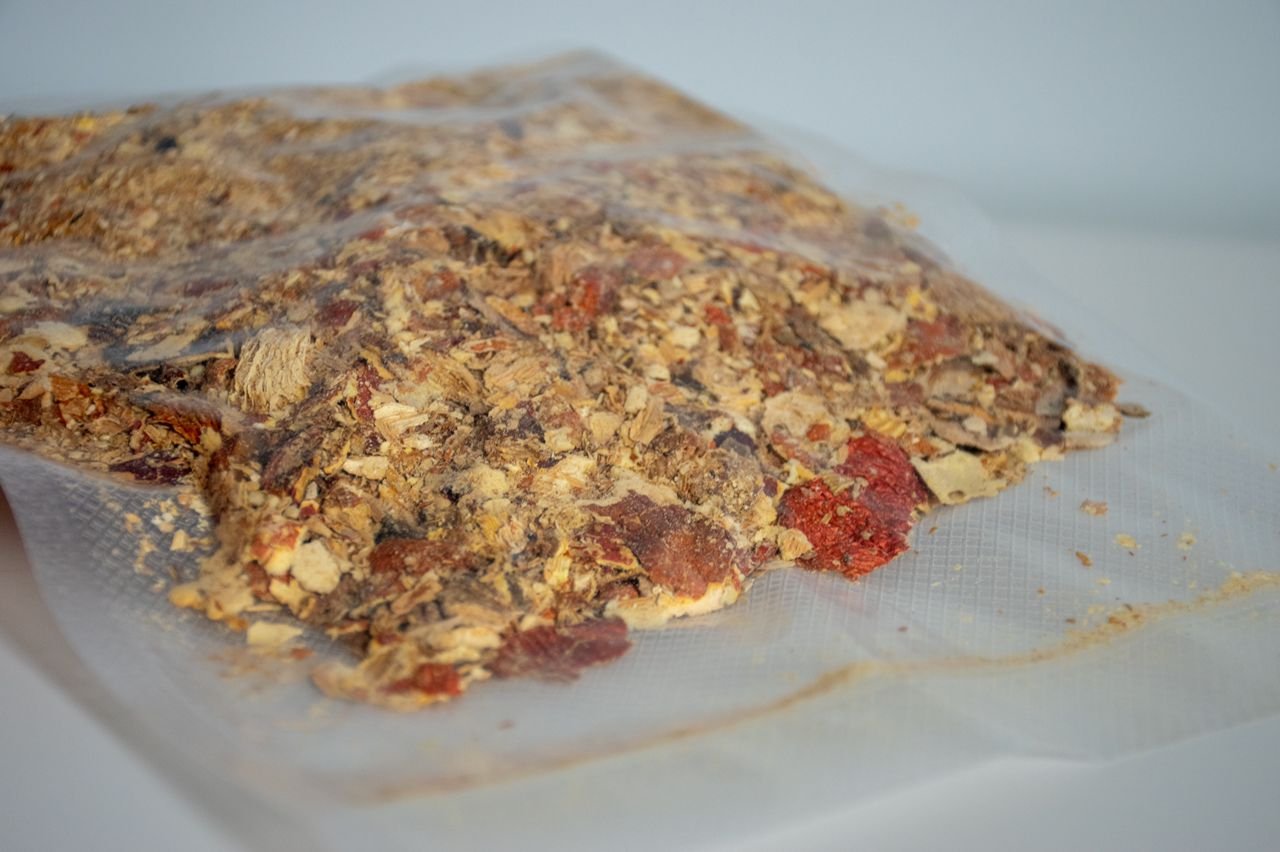
In the landscape of 2026, Amanita muscaria, famously known as the fly agaric, stands as one of the most enigmatic fungi in existence. Recognizable by its iconic red cap and white spots, this mushroom has transitioned from ancient shamanic traditions to the forefront of the modern “legal high” marketplace. As interest grows across the United States, United Kingdom, Germany, Japan, China, Canada, France, Netherlands, Switzerland, Australia, Dubai, Finland, and Austria, it is crucial to separate historical myth from clinical reality.
A Rich Historical and Traditional Tapestry
The relationship between humans and Amanita muscaria spans centuries. Its history is deeply rooted in the shamanic practices of tribal peoples in Siberia, Scandinavia, and parts of Eastern Europe.
Traditional Applications
Historically, the fly agaric was valued not just for its psychoactive profile, but for a diverse range of reported medicinal properties:
- Stimulant and Stamina: Siberian shamans and indigenous peoples reportedly consumed the mushroom to stave off fatigue during long tasks, effectively using it as a source of energy for labor or endurance.
- Anxiolytic and Sleep Aid: In contrast to its use as a stimulant, small doses were traditional remedies for insomnia and anxiety. It was often used to embolden individuals before daunting tasks or performances.
- Topical Relief: In parts of Russia and Eastern Europe, the mushroom was historically prepared as a tincture or poultice and applied topically to treat rheumatism, muscle aches, and bruising.
While these historical uses are well-documented in ethnographic records, it is important to note that they were often tied to specific preparation methods designed to mitigate toxicity.
Understanding the Pharmacology: Muscimol vs. Ibotenic Acid
Modern mycology has identified four primary active compounds in Amanita muscaria: muscarine, muscimol, muscazone, and ibotenic acid. The experience associated with the mushroom is primarily driven by the interplay between two of these:
- Ibotenic Acid: A neurotoxic precursor that often causes nausea and gastrointestinal distress. When the mushroom is dried or heated, much of the ibotenic acid decarboxylates (converts) into muscimol.
- Muscimol: The primary psychoactive powerhouse. Unlike psilocybin, which targets serotonin receptors, muscimol acts on GABA-A receptors, similar to how alcohol or certain sedative medications function.
This mechanism creates a “oneiric” or dream-like sedative effect, often described as dissociative rather than the high-energy visual experience associated with traditional “magic” mushrooms.
The 2026 Market: Legal Status and Public Health
In 2026, Amanita muscaria occupies a distinct legal “gray area.” Because it is not federally scheduled under the Controlled Substances Act in the United States, it has become the foundation for a burgeoning market of commercial gummies and extracts.
The Rise of Commercial Alternatives
The commercialization of Amanita muscaria is largely driven by the demand for legal, non-psilocybin alternatives. Products like gummies have become highly popular, though their regulation remains inconsistent.
For those navigating this space, transparency is key. When choosing products, always prioritize brands that provide a Certificate of Analysis (COA) to ensure potency and purity. Platforms like shroomrelief.com offer a wide range of shop categories for those exploring various botanical interests, including pain relief pills, magic mushrooms, and mushroom edibles.
Safety and Scientific Research
Despite its popularity, the medical community maintains a cautious stance. Clinical literature, including studies published as recently as 2026, warns that Amanita muscaria is fundamentally different from serotonergic psychedelics and carries genuine toxicity risks.
- Clinical Risks: Overconsumption can lead to tremors, dizziness, respiratory failure, and severe paranoia requiring hospitalization.
- The “Legal” Misconception: Being “unscheduled” does not imply safety. Public health authorities, including the European Food Safety Authority, have flagged the mushroom as an emerging risk due to the lack of standardized dosing and the prevalence of misleading online information.
For those dedicated to evidence-based health, resources like WorldScientificImpact.org provide essential data on the complex interactions of botanical compounds. Additionally, for those exploring specialized alkaloid therapies, IBOGAWELL.COM and UKMUSHROOM.COM serve as vital educational hubs. If you are a curious explorer or home enthusiast, you may also find value in the educational resources and kits available at buyoneupmushroombar.us and within the mushroom grow kits section at shroomrelief.com.
No Responses