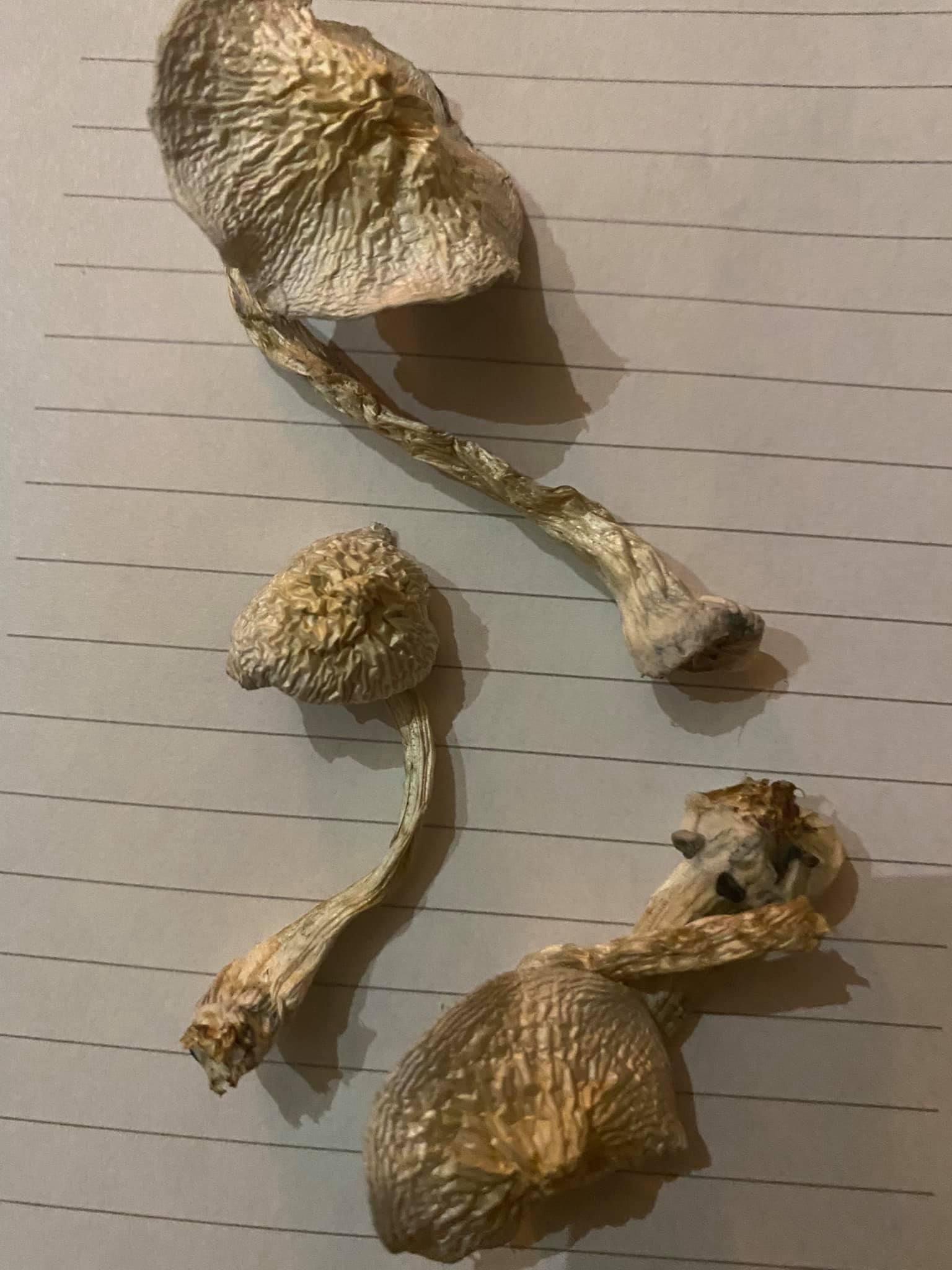
In the world of mycology, few names are as evocative—or as frequently misunderstood—as “Blue Meanies.” Often used as a colloquial term in the community, this name refers to two distinct types of fungi: the potent, naturally occurring Panaeolus cyanescens and certain selectively bred strains of Psilocybe cubensis. Understanding the differences between these varieties is essential for researchers, enthusiasts, and anyone interested in the evolving science of botanical wellness.
Defining the “Blue Meanies”
The term “Blue Meanies” has become a label for two very different biological entities, leading to significant confusion in literature and trade.
1. Panaeolus cyanescens (The “True” Blue Meanie)
When mycologists use the term, they are almost always referring to Panaeolus cyanescens. This species is a coprophilous (dung-inhabiting) mushroom found in tropical and subtropical regions across both the Neotropics and Paleotropics. It is highly valued in research for its significant concentration of psilocybin and psilocin.
- Key Characteristics:
- Morphology: Small, delicate mushrooms with bell-shaped, light-colored caps that often turn bluish or greenish where bruised—a primary indicator of the presence of psychoactive alkaloids.
- Potency: Academic research has noted that P. cyanescens can contain concentrations of psilocybin and psilocin significantly higher than those typically found in common Psilocybe species, making it one of the most potent hallucinogenic fungi ever documented.
2. Psilocybe cubensis (The “Strained” Blue Meanie)
In the commercial market, “Blue Meanies” is also used as a trade name for a specific strain of Psilocybe cubensis. Unlike the wild Panaeolus variety, this is a cultivated strain selected for vigor, appearance, and specific growth traits. It shares the general characteristics of P. cubensis rather than those of the Panaeolus genus.
Scientific Insights and Research
Recent years have seen a surge in interest regarding the biochemical profiles of these fungi. A study published in Scientific Reports evaluated the safety and effects of both Psilocybe cubensis and Panaeolus cyanescens extracts in cellular models.
- Cardiovascular Research: Research indicates that, under controlled concentrations, extracts from these species did not exacerbate endothelin-1 induced cellular injury and may have protective properties in certain cardiac models. This shift toward understanding the pharmacological mechanism of these fungi is a key focus for researchers looking to validate traditional uses with clinical data.
- Alkaloid Diversity: Beyond psilocybin, Panaeolus cyanescens has been found to contain serotonin, urea, and the alkaloid baeocystin, which researchers are actively studying to understand how they modulate the overall user experience and therapeutic potential.
Resources for Botanical Wellness
Whether you are conducting academic research or exploring personal botanical wellness, sourcing transparency and education are vital. For those navigating this field in the United States, United Kingdom, and across the globe, the following resources provide a path to reliable information and high-quality products.
For an extensive catalog of items and educational tools, shroomrelief.com is a primary resource:
- Shop: Discover a wide array of products tailored to your needs.
- Targeted Wellness: Access pain relief pills and other supportive supplements.
- Specialized Research Products: Explore their collections of magic mushrooms, magic truffles, and mushroom edibles.
- Cultivation Education: Learn the nuances of fungal life cycles through mushroom grow kits and fresh mushrooms.
Staying Informed
The field of mycology is rapidly expanding. For those dedicated to evidence-based health and safety, utilize these resources:
- WorldScientificImpact.org: Access the latest peer-reviewed studies on botanical compounds.
- IBOGAWELL.COM: A hub for those exploring advanced alkaloid therapies.
- UKMUSHROOM.COM & buyoneupmushroombar.us: Essential resources for community education and responsible practices.
No Responses