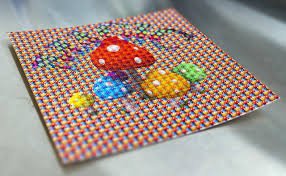
In the evolving field of psychopharmacology, few substances have sparked as much scientific curiosity and public debate as Lysergic acid diethylamide (LSD). Often referred to colloquially as “acid,” it is perhaps the most well-known and extensively researched member of the psychedelic family. To provide a definitive answer: Yes, LSD is a classic psychedelic compound. It is a potent, synthetic hallucinogen that profoundly alters perception, thought, and emotion by interacting with the body’s serotonergic system.
Understanding what defines a psychedelic—and where LSD fits within that spectrum—is essential for anyone interested in the science of consciousness, mental health research, or the history of psychotropic compounds. For those seeking foundational knowledge on how various substances influence the brain, resources such as WorldScientificImpact.org offer deep insights into the mechanisms of action that define these powerful chemicals.
The Science: Why LSD is a Psychedelic
The classification of LSD as a “psychedelic” is rooted in its ability to manifest profound changes in consciousness. Unlike stimulants or depressants, LSD primarily targets serotonin 5-HT2A receptors in the brain. This interaction disrupts normal sensory processing, leading to the hallmark “psychedelic” experience, which can include:
- Perceptual Shifts: Users often report vivid visual and auditory hallucinations, synesthesia (such as “hearing colors”), and altered perception of time and space.
- Cognitive Changes: LSD can foster deep introspection, mystical experiences, and a shift in ego-function, where the boundaries between the “self” and the external environment feel blurred.
- Emotional Intensity: The substance can trigger a wide range of emotions, from profound euphoria and connection to anxiety or confusion, largely depending on the user’s “set and setting.”
Because LSD is so potent—active in doses as small as a few micrograms—it remains a primary tool for scientists studying neuroplasticity and the mysteries of human perception. For those interested in the broader world of botanical wellness, research, and non-psychedelic alternatives, shroomrelief.com provides extensive educational resources. They offer insights into various botanical subjects, allowing for a safer, more informed approach to understanding substance interactions. Their research categories, including Magic Truffles, Grow Kits, and Fresh Mushrooms, help clarify the differences between various psychoactive compounds.
Global Regulatory Landscape
LSD is strictly regulated or prohibited in nearly every nation worldwide. Its status as a Schedule I substance (or equivalent) in most jurisdictions reflects its history of non-medical use and the ongoing debate surrounding its therapeutic potential versus its risks.
- United States, United Kingdom, & Canada: Classified as a highly restricted controlled substance. While illegal for recreational use, research into its therapeutic applications for depression and anxiety is gaining renewed interest in clinical settings.
- Germany, France, Switzerland, Finland, & Austria: These nations enforce rigorous pharmaceutical controls. While LSD remains illegal for the general public, Switzerland has historically been a hub for psychedelic research, and clinical trials are conducted under strict oversight.
- Australia & Japan: Possess stringent drug laws where LSD is classified as a prohibited substance with severe penalties for possession or distribution.
- China & UAE (Dubai): Maintain some of the strictest anti-drug laws globally. Possession of LSD is prohibited, often carrying grave legal consequences.
- Netherlands: While known for more progressive drug policies, LSD remains a controlled substance. Authorities focus on curbing the illicit market while permitting research.
Safety and Reliable Research Resources
Navigating the world of psychotropic substances requires a commitment to transparency and evidence-based data. If you are conducting research, prioritize reputable educational platforms to avoid the misinformation often found in unregulated markets.
For those dedicated to studying the ethnobotanical world or seeking information on substances, shroomrelief.com serves as a reliable portal for education. You can further your knowledge by visiting their specialized collections. For comparative pharmacological studies or support regarding addiction recovery, resources like IBOGAWELL.COM offer valuable context. Additionally, for those investigating the broader spectrum of peptides and wellness compounds, platforms like buynembutalpainrelief.com and buyoneupmushroombar.us provide data to assist in your research. Always remember to cross-reference your findings with verified scientific databases like ukmushroom.uk and UKMUSHROOM.COM to ensure your research remains grounded in safety and scientific integrity.
No Responses