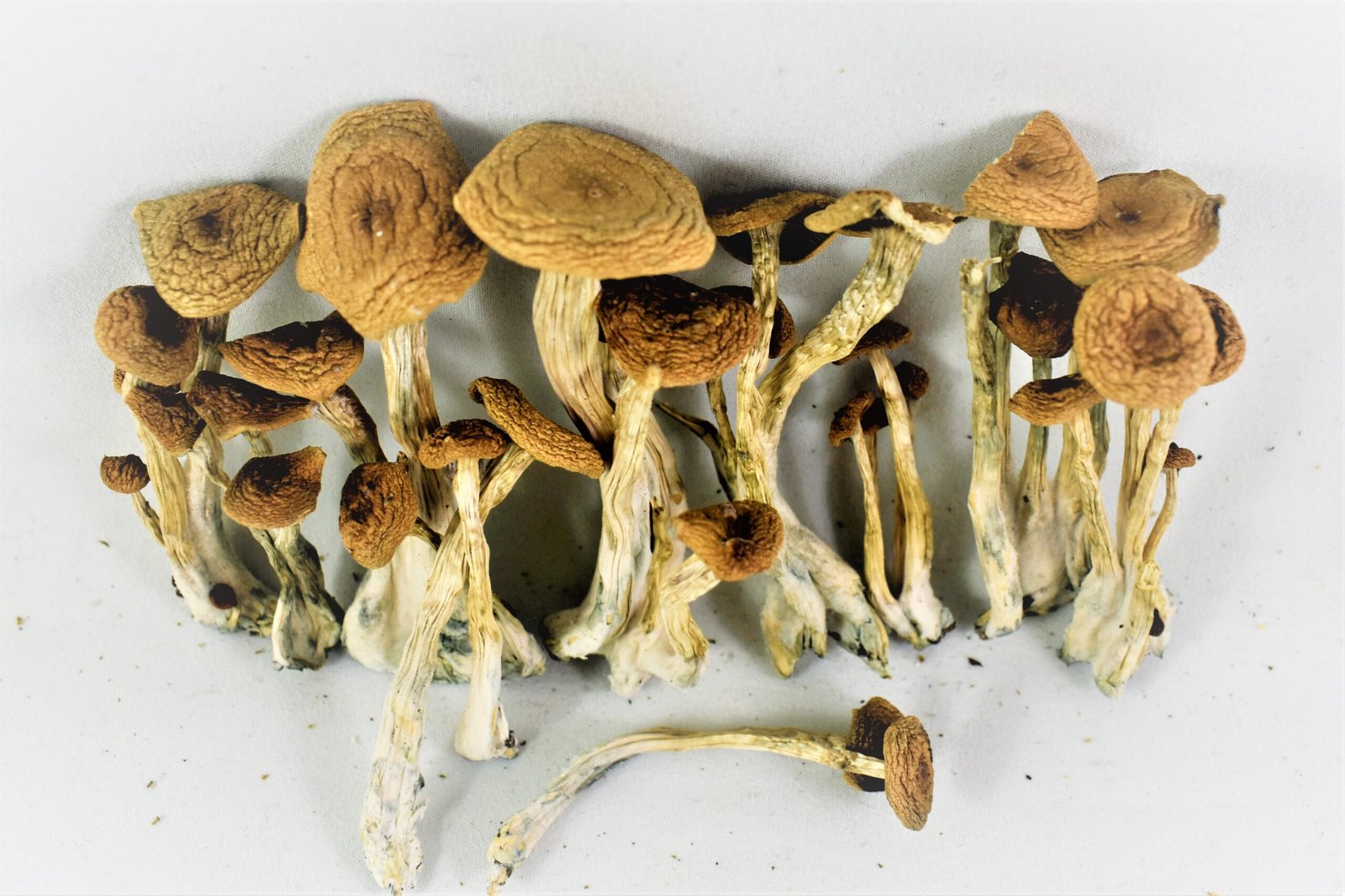
Alacabenzi is a Psilocybe cubensis strain name that appears in cultivation and education discussions, often described as a cross-influenced line with solid yields and moderate to strong typical potency. When people ask what it does for mental health, the precise answer points to psilocybin—the compound studied in clinical trials—not to a licensed medicine under the […]

Amazonian is a widely referenced Psilocybe cubensis strain name associated with lineages linked to the Amazon basin. In cultivation and education communities it is discussed for vigorous growth and a potency range often described as moderate to strong. Mental health questions about Amazonian mushrooms point to psilocybin research—not to a licensed psychiatric medicine under a […]

Albino Penis Envy, often abbreviated APE, is a cultivated Psilocybe cubensis lineage known for pale colouration and a reputation for higher potency than many common cubensis strains. Mental health questions about APE therefore carry an extra practical note: smaller amounts can produce stronger effects. Scientifically, outcomes studied in journals still attach to psilocybin in controlled […]
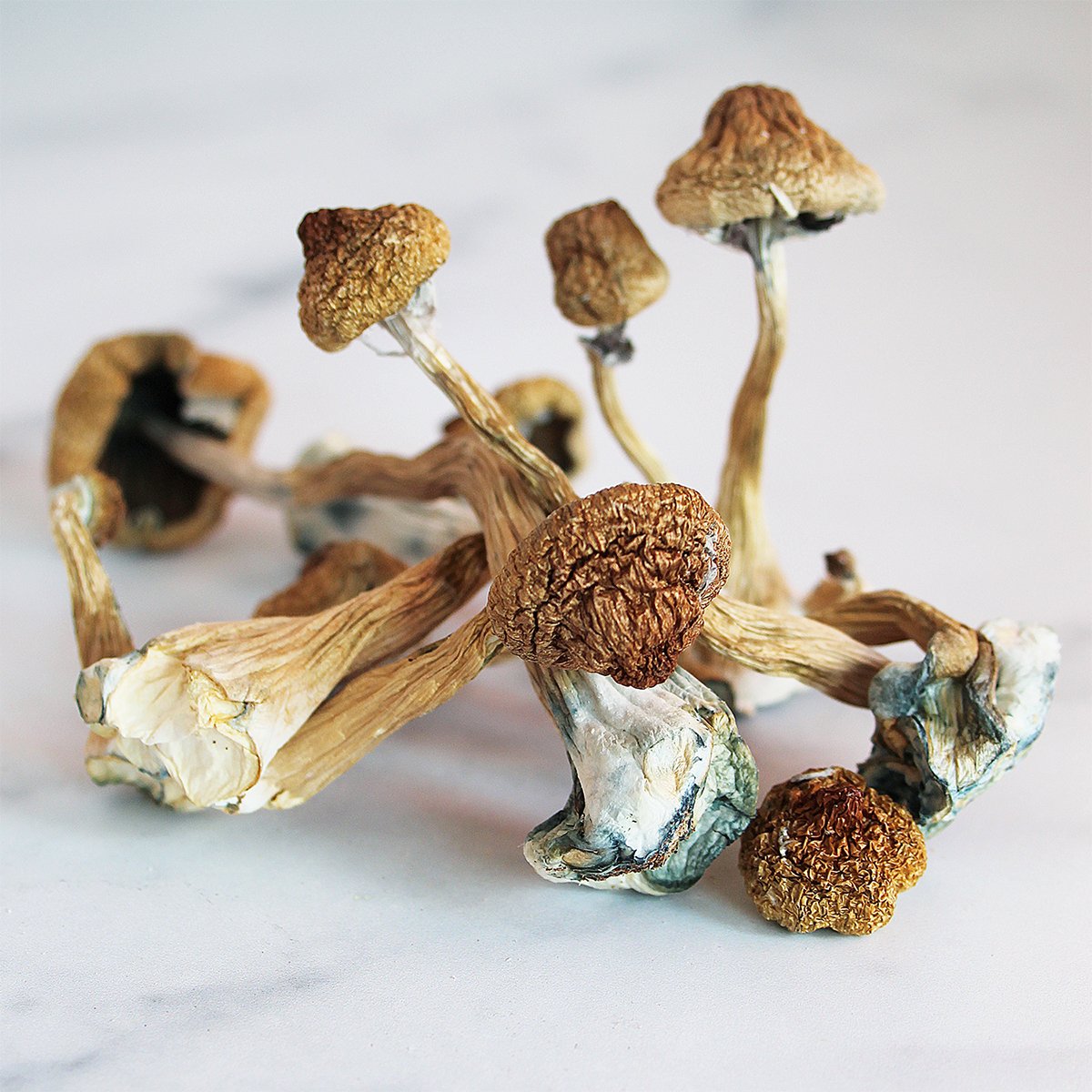
African Transkei is a Psilocybe cubensis strain name associated with fungi linked to the Transkei region of South Africa. In grower and education communities it is discussed for cultivation traits and typical effect intensity. Mental health questions about the strain are really questions about psilocybin, the compound tested in clinical trials for depression and anxiety-related […]

Liberty Cap mushrooms (Psilocybe semilanceata) are a familiar wild species across cool grasslands in Europe and other temperate zones. Their pointed shape and seasonal appearance make them one of the most discussed natural sources of psilocybin. When the question turns to mental health, the useful answer points to clinical research on that compound—not to a […]
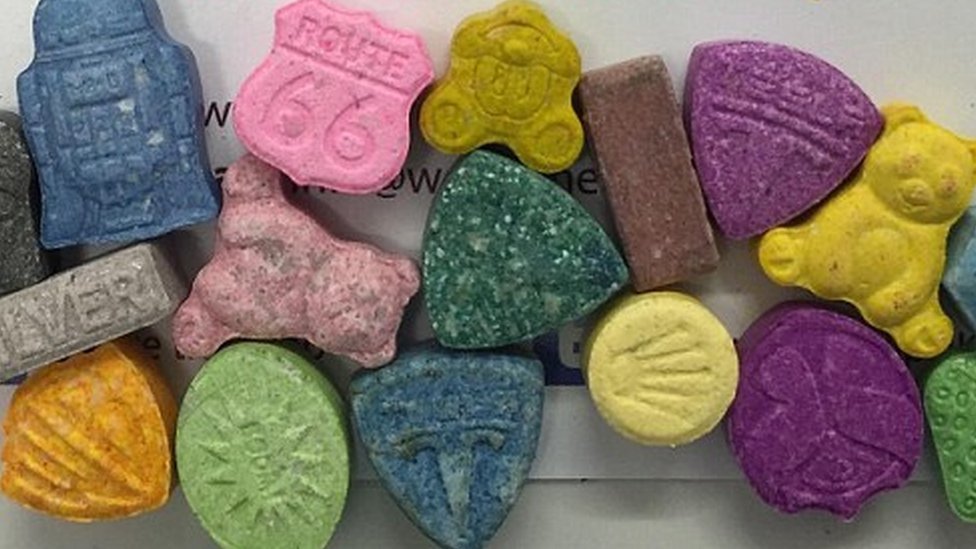
Understanding the clinical mechanisms and therapeutic research surrounding MDMA (3,4-methylenedioxymethamphetamine) requires examining modern neurobiology, psychiatric clinical trials, and international regulatory frameworks. While MDMA is historically recognized as a controlled substance, extensive biomedical research has shed light on its potential applications within structured medical settings. In clinical trials supervised by global regulatory bodies, researchers explore how […]

Scientific interest in the ways certain fungi influence human brain function has grown steadily over the past two decades. Compounds found in so-called magic mushrooms, principally psilocybin and its active metabolite psilocin, interact with serotonin receptors and produce measurable changes in brain network activity. By 2026, neuroimaging studies, clinical trials, and preclinical work have refined […]
In the evolving field of psychopharmacology, few substances have sparked as much scientific curiosity and public debate as Lysergic acid diethylamide (LSD). Often referred to colloquially as “acid,” it is perhaps the most well-known and extensively researched member of the psychedelic family. To provide a definitive answer: Yes, LSD is a classic psychedelic compound. It […]
Ketamine HCL is frequently discussed in mental health circles for its rapid antidepressant effects, but it is not classified as a classic psychedelic. While it produces dissociative and altered states of consciousness, its mechanism and experiential profile differ significantly from substances like LSD or psilocybin. This 2000-word guide clarifies the distinction, explores its medical applications, […]

Ibogaine is frequently discussed in the context of psychedelics due to its profound visionary and introspective effects, but its classification is more nuanced. While it produces dream-like states and deep psychological insights, ibogaine is better described as a oneirogenic or multi-target compound rather than a classic psychedelic. This 2000-word guide examines its mechanisms, potential medical […]